People of Note Review – Is This Musical RPG Worth It?
After playing Mixtape and really enjoying that game, On paper People of Note it sounds like one of those ideas that could either completely land or fall apart the moment you actually start playing it. This is a rhythm driven RPG where music is the actual language of combat, progression, and story.
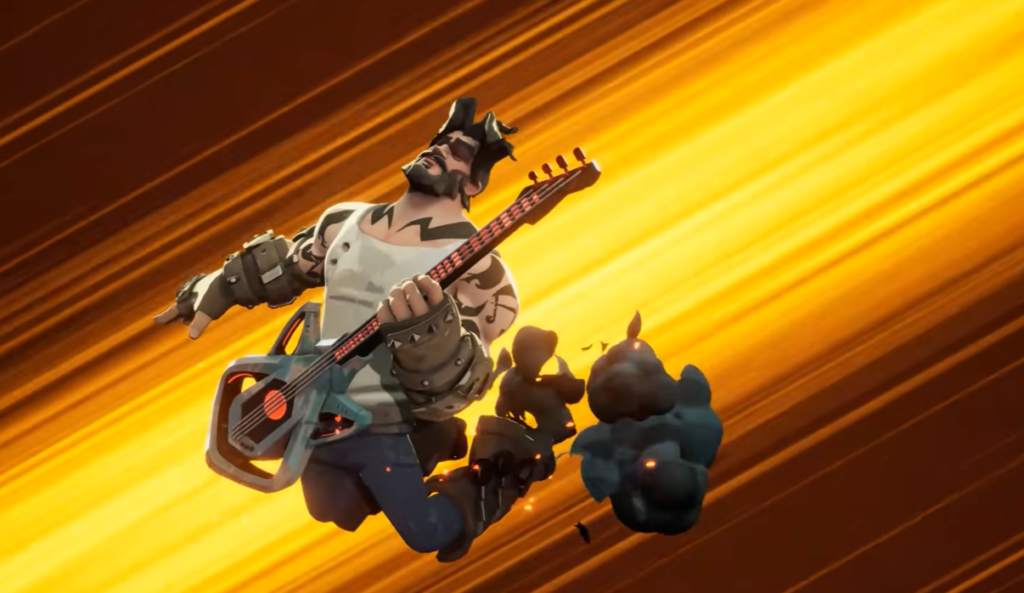
Within the first stretch of playing it, I realised it isn’t trying to compete with traditional RPGs at all. It’s doing something much more specific, and much more confident.
You don’t need to optimize any stars or grind for gear. It’s about timing, expression, and how far you’re willing to lean into its musical logic. When you get that right, it really hits.
What is People of Note?
At its core, People of Note is a rhythm RPG where everything is tied to music. Combat, exploration, and character expression all feed through rhythmic interaction rather than traditional turn based systems.
Instead of treating music as a layer on top of gameplay, it feels like the structure everything is built on. Your actions are part of a flow you have to stay in sync with.
The closest comparison I can give is if a JRPG and a rhythm game stopped arguing about design philosophy and decided to actually merge into one system.
What the gameplay is like in People of Note
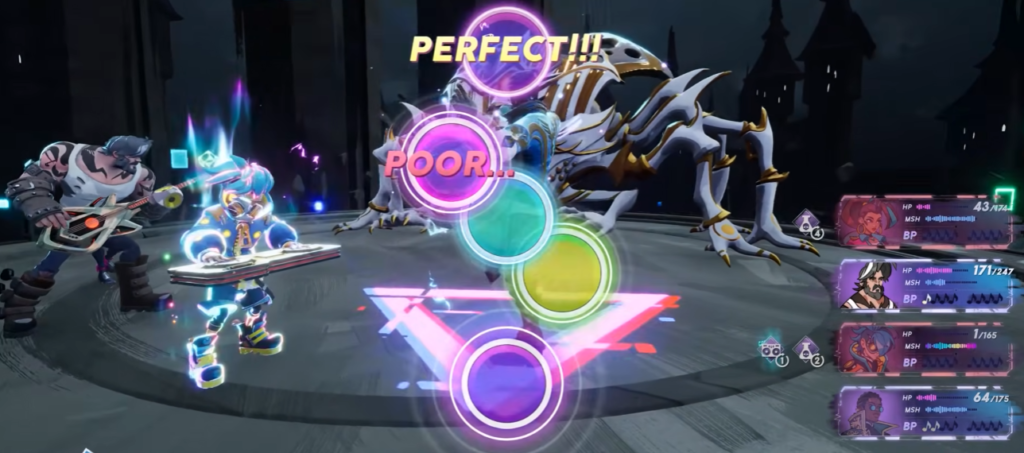
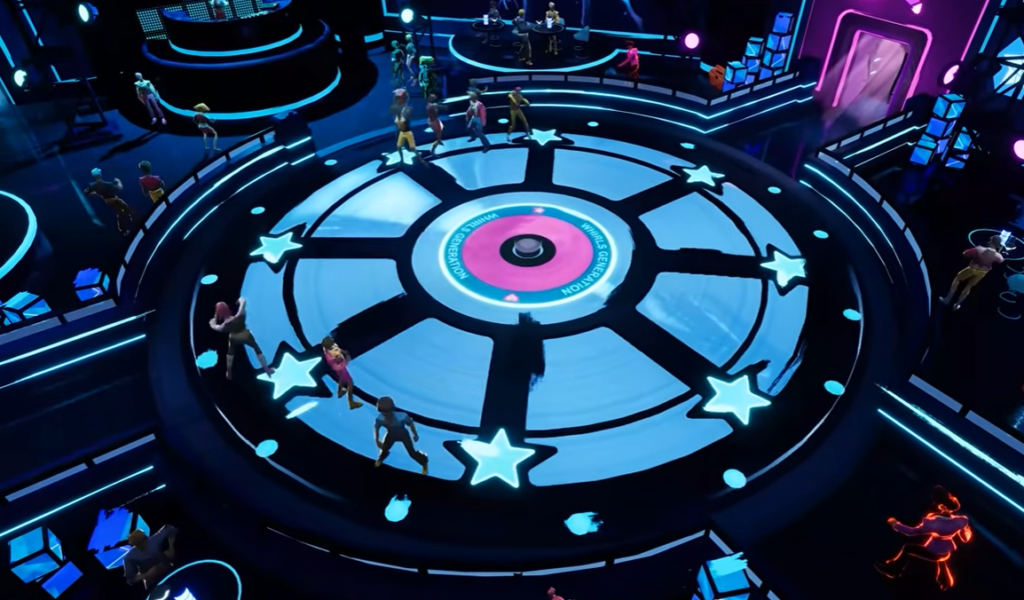
One thing I appreciated early on is that People of Note uses music to build gameplay around its theme. Combat is turn based, but battles are structured around musical stanzas and time signatures. The number of actions available can change depending on the active measure, and the game constantly asks you to think about rhythm alongside strategy rather than treating them as separate systems.
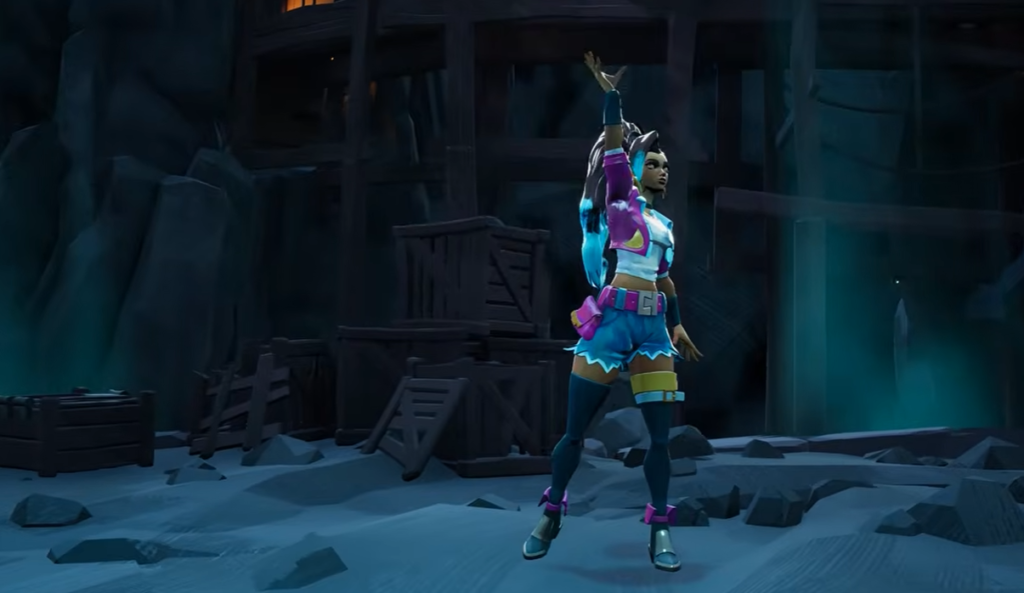
As Cadence recruits musicians from different genres, combat starts becoming much more expressive. Each character represents a different musical style, and those styles interact with the battle system in meaningful ways. The Mashup mechanic, which lets party members combine their genres for stronger attacks, ended up being one of my favourite parts of the game because it reinforces the idea that collaboration is just as important as raw power.
What surprised me most is how naturally the rhythm mechanics become part of your decision making. At first, you’re mostly focused on landing timed inputs and understanding the flow of battles. Later on, you’re paying attention to genre bonuses, timing windows, and how different party compositions affect the musical flow of combat. What I thought was really fun was the soundtrack. It even shifts genres during battles, making encounters feel like performances rather than traditional RPG fights.
What really helped sell the concept for me was seeing how committed the game is to its musical worldbuilding. As I travelled through new regions, each area felt like its own interpretation of a musical genre rather than simply being another location on the map. The visual design, enemy themes, and soundtrack all work together to give each region its own personality. It kept me curious about what was coming next and stopped the central music theme from feeling repetitive.
By the midpoint of the game, I stopped thinking of the rhythm elements as a gimmick attached to a turn based RPG. The world, story, combat systems, and even dungeon themes all revolve around music in a way that feels genuinely cohesive. Whether you’re travelling through genre themed regions or building Cadence’s band, everything feeds into the same core idea.
Where People of Note Gets Complicated
So much of the game revolves around timing and musical interaction, there aren’t many opportunities to completely switch your brain off and I know that these days I try my best to switch off. Shorter sessions were fine for me but during longer play sessions, there were definitely moments where I wished for a little more variety between rhythm focused encounters. Sometimes you are really zoned in because you don’t want to make mistakes, but that level of focus can become tiring over time.
The game introduces concepts like genre synergy, timed actions, Mashups, and stanza based combat relatively quickly, but it doesn’t always explain how everything fits together. For the first few hours, I occasionally felt like I was learning through trial and error and really missing that clear instruction.
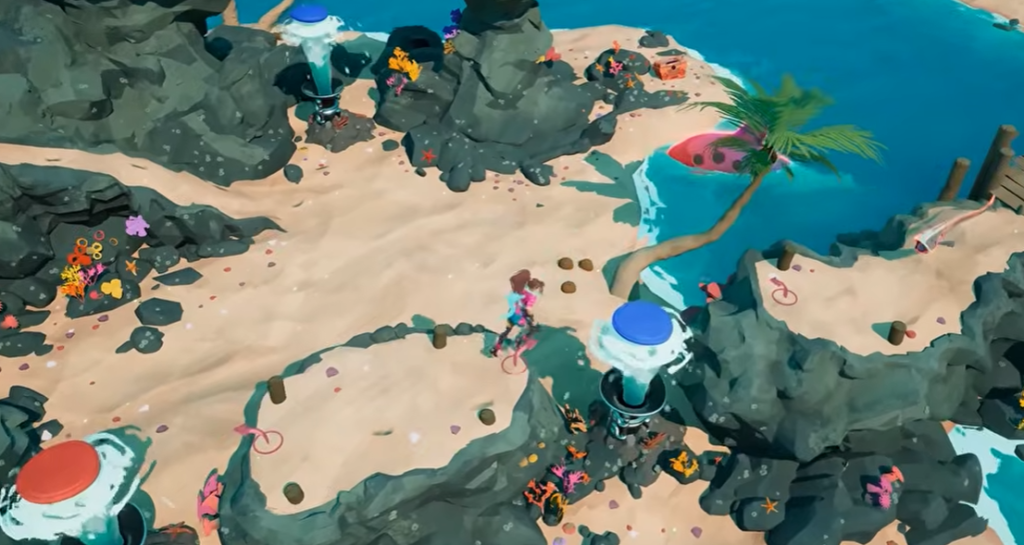
The dungeon design was another area where I had mixed feelings. I enjoyed exploring the different regions and seeing how each musical style influenced the environments, but some of the puzzle and platforming sections occasionally disrupted the flow of exploration and combat. Thankfully, the accessibility options are excellent. Players can simplify or skip many of these puzzles entirely, which I think was a smart inclusion because not everyone is going to enjoy that side of the experience.
Combat itself can be divisive depending on what you’re looking for. Some players will love the timing based inputs and the way music influences battle flow, while others may find encounters repetitive once battles start getting longer later in the game. I can understand both perspectives because there were moments where fights felt brilliantly creative and others where they felt like they lasted a little longer than necessary.
That said, once the systems click, the experience becomes much smoother. Instead of consciously thinking about every mechanic, you start reading encounters instinctively. The timing feels natural, your party setup makes more sense, and battles flow much more comfortably. That’s when the game’s design really starts to shine.
Is People of Note Worth It?
For me, yes, but only if you go in with the right expectations.
If you’re looking for a traditional RPG driven by deep character builds, endless stat optimisation, or highly complex combat trees, People of Note probably isn’t for you. Its focus is much narrower.
What it does offer is a genuinely original take on the RPG formula. Between the musical worldbuilding, genre-based party mechanics, dynamic battle music, Mashup attacks, and rhythm driven combat structure, it feels like a game with a very clear creative vision.
As a female gamer who’s played more than enough RPGs that stick closely to established formulas, I found that refreshing. Cadence’s journey feels personal, the musical identity is woven into every aspect of the game, and the developers commit fully to the concept instead of treating it as a novelty.
I also think it’s worth mentioning that the story leans heavily into optimism, teamwork, and personal growth. If you’re expecting a darker RPG filled with morally grey choices and complex political drama, this probably isn’t that game. The tone is much lighter and more uplifting, which won’t work for everyone, but I felt it suited the overall musical theme the developers were aiming for.
The musical performances themselves will likely be one of the more divisive parts of the experience. Some players are going to love how often the game embraces its musical theatre influences, while others may find certain songs or performances don’t quite land for them. Personally, I appreciated that the developers fully committed to the idea. Even when a musical number wasn’t my favourite, I never felt like the game was holding back from its identity.
My recommendation for you would be simple, just give it a few hours before deciding how you feel about it. The early game is spent learning the rules, but the later sections are where the systems begin working together.
Where to play People of Note
If you enjoy rhythm driven RPG combat mixed with experimental musical storytelling and party based mechanics, People of Note is definitely worth a look to see whether it suits your style.
Release Date: April 7, 2026
Platforms:
- PC
- PS5
- Xbox Series X|S
- Nintendo Switch 2
If People of note is not your thing, then head over to the Roleplaying Games Hub for your next amazing RPG adventure.