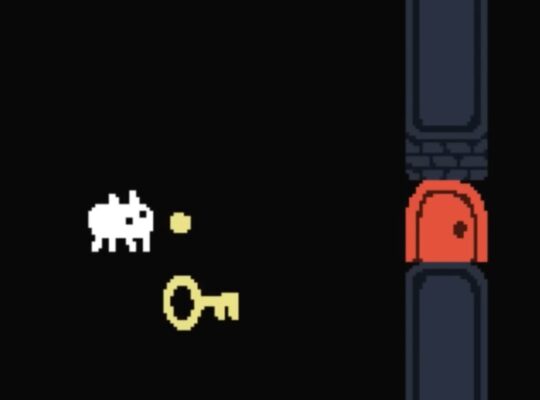
Mina the Hollower - Exactly as Beautiful (and Brutal) as Expected
Now that Mina the Hollower is finally out, it feels like the conversation around it has shifted from anticipation and issues to reality and that reality is a mix of praise, frustration, and surprise depending on who you ask.
I’ve spent time with it, and I’ve also gone through a lot of early player reactions and the picture that emerges is pretty consistent: this is a fantastic game held together by tight design decisions that won’t suit everyone equally.
It is deliberately demanding in a way that’s sparking a lot of discussion. Let’s get into it!
A Retro Game That Refuses to Feel “Simple”
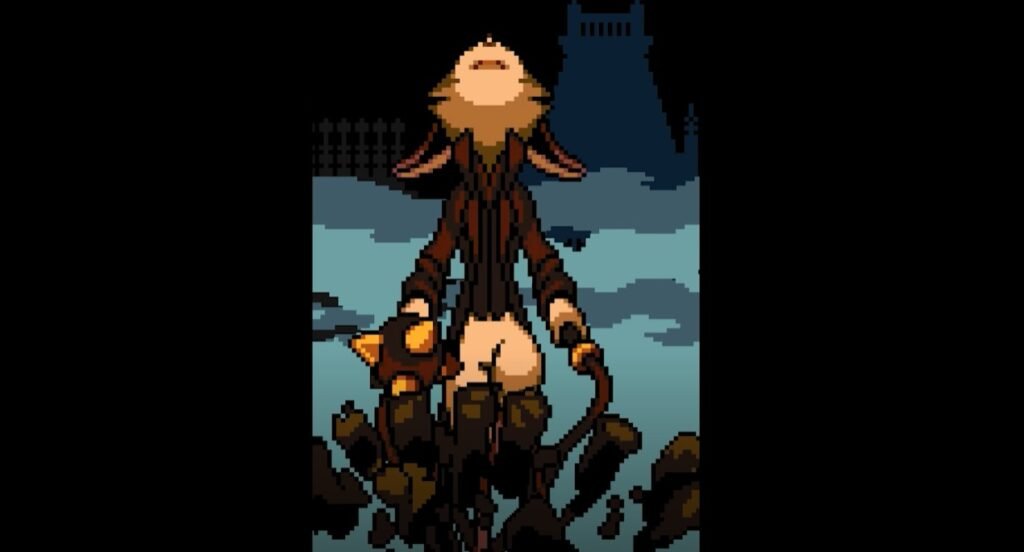
At first glance, Mina the Hollower looks like a clean homage to Game Boy Color-era Zelda, but the moment you actually play it, it becomes clear this isn’t a cosy nostalgia trip.
Combat is faster, more aggressive, and far less forgiving than most people expected. The burrowing mechanic adds invincibility frames and mobility options, but it also demands precision timing rather than casual exploration.
What you get is a game that wants you to stay engaged, to be honest there’s very little “safe” downtime and that is where I think the divide starts.
Mina the Hollower: Difficulty Level
Mina the Hollower is significantly more challenging than you might expect. While the pixel-art visuals and classic Zelda-inspired presentation may look approachable, the combat often demands quick reactions, careful positioning, and a willingness to learn enemy patterns through trial and error.
The difficulty isn’t quite at Soulslike level, phew I mean imagine the stress with that! but it sits somewhere between traditional top-down adventure games and modern action RPGs. Bosses can be particularly demanding, especially if you’re still adjusting to the game’s healing and resource-management systems. For gamers who enjoy overcoming difficult encounters, this is part of the appeal.
What’s the controversy with Mina the Hollower
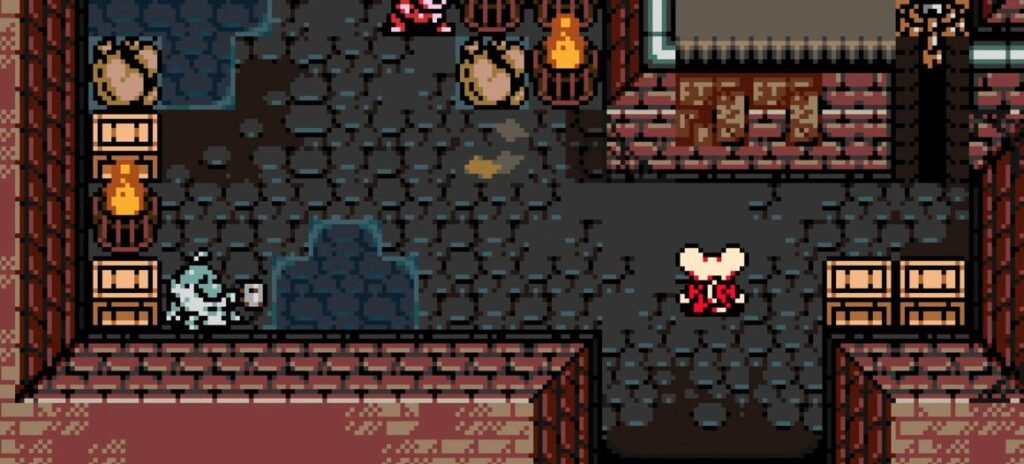
The biggest controversy surrounding Mina the Hollower wasn’t related to story or content, but rather its gameplay design. Before release, we all debated the game’s healing mechanics, which encourage aggressive play rather than allowing players to heal freely whenever they choose.
Some gamers praised the system for adding tension and rewarding skillful combat, while others felt it punished mistakes too heavily. Combined with concerns about difficulty balancing during the demo period and the game’s eventual release delay, these discussions became some of the most talked-about topics in the community leading up to launch.
The Healing System is Still the Most Controversial Part
If there’s one mechanic everyone keeps talking about, it’s the healing system.
Instead of traditional recovery, you’re encouraged to build momentum through combat in order to restore resources. This branches into the 2 things.
- Playing aggressively = survival
- Playing cautiously = slow recovery or vulnerability
Some players love this as it rewards skill and flow and you know how I like to be as skillful as I can. But it can feel punishing if you make even small mistakes, especially early on before you fully understand the system.
My take after playing it: it works mechanically, but emotionally it creates tension that doesn’t always feel fair in boss-heavy encounters.
What I love and I think you might too
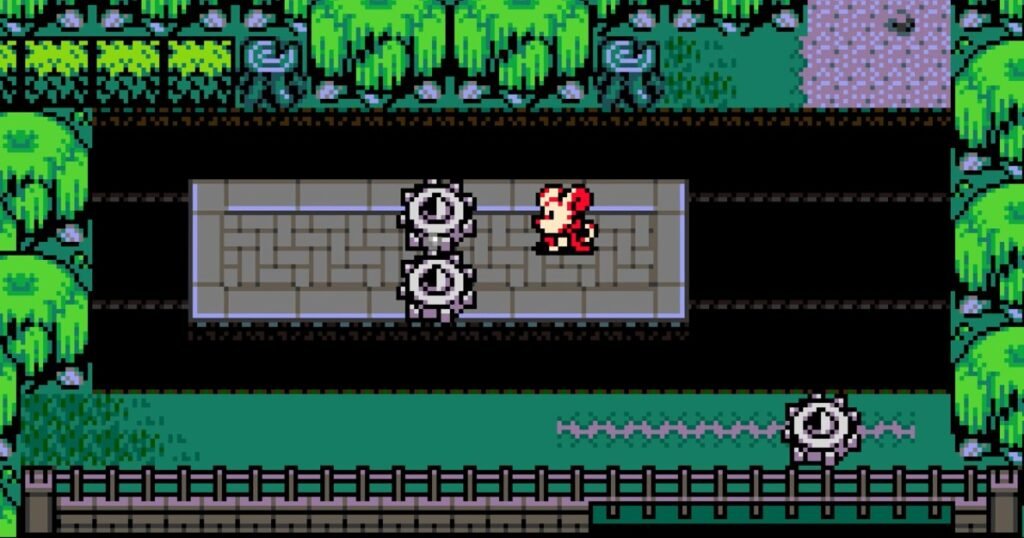
Despite the complaints that I see online, the praise is loud and consistent. A few things keep coming up:
- The pixel art is exceptional and full of personality
- Boss fights are creative and mechanically dense
- Exploration feels rewarding when you slow down and engage with it properly
- The soundtrack and atmosphere are doing a lot of heavy lifting
There’s a strong sense that this is a carefully built game, not a rushed one, even when it feels harsh. I agree with that. When it clicks, it really clicks.
What are some of the frustrations in Mina the hollower
This is where things get more divisive and I am sure you will feel the same.
Difficulty spikes feel early and sharp
Some bosses and sections ramp up faster than expected, which can throw you off before you’ve fully adjusted to the mechanics.
Exploration can feel unclear at times
Without traditional guidance, it’s easy to feel slightly lost in certain zones, especially if you’re not constantly experimenting.
Healing + aggression loop is not for everyone
This is the biggest one. The system is designed to push aggressive play, but if you don’t naturally play that way, it can feel quite punishing.
This is what helped me:
- Playing more offensively than instinct suggests
- Learning enemy patterns instead of reacting emotionally
- Treating deaths as “learning loops” rather than setbacks
Once you adjust, the game becomes far more readable, but that adjustment period is real.
Mina the Hollower Softlock Issues
One question I’ve seen pop up since release is whether Mina the Hollower has any softlock issues. Fortunately, widespread game-breaking softlocks don’t appear to be a major problem, but there have been reports from some players of getting stuck in specific rooms, missing progression triggers, or becoming trapped after unusual interactions with environmental objects.
In most cases, reloading a recent save resolves the issue. Yacht Club Games has also been actively monitoring player feedback and releasing updates to address progression bugs. If you think you’ve encountered a softlock, it’s worth checking that you’re running the latest version of the game before assuming your save is permanently affected.
What Mina the Hollower Gets Absolutely Right
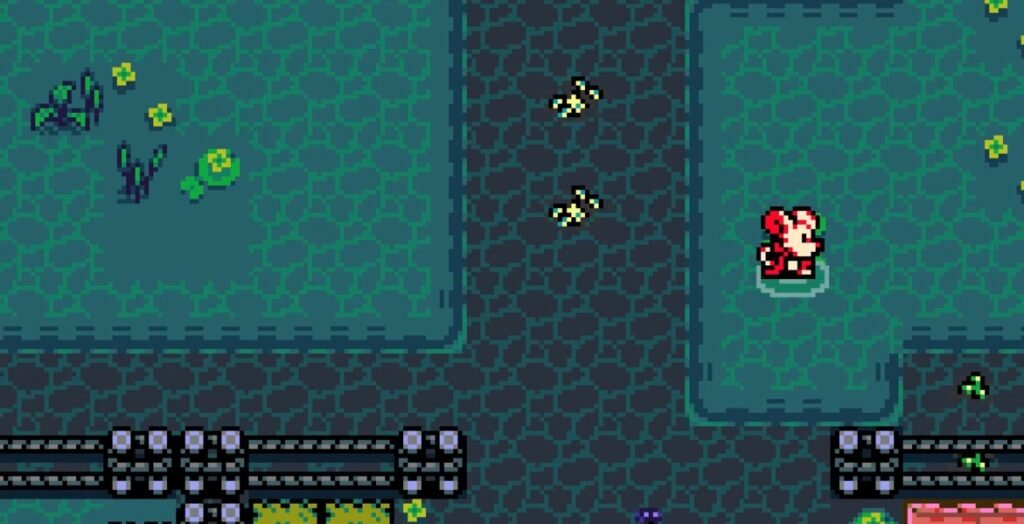
Even with the friction, there’s a reason this game is getting strong critical attention. It feels crafted, not assembled.
The movement is tight. The combat is deliberate. The world design encourages curiosity without over-explaining anything. The burrowing mechanic alone adds a layer of identity that separates it from its inspirations. It’s not trying to be a simple Zelda-like game, it wants to be sharper and smarter.
Who is Lionel in Mina the Hollower?
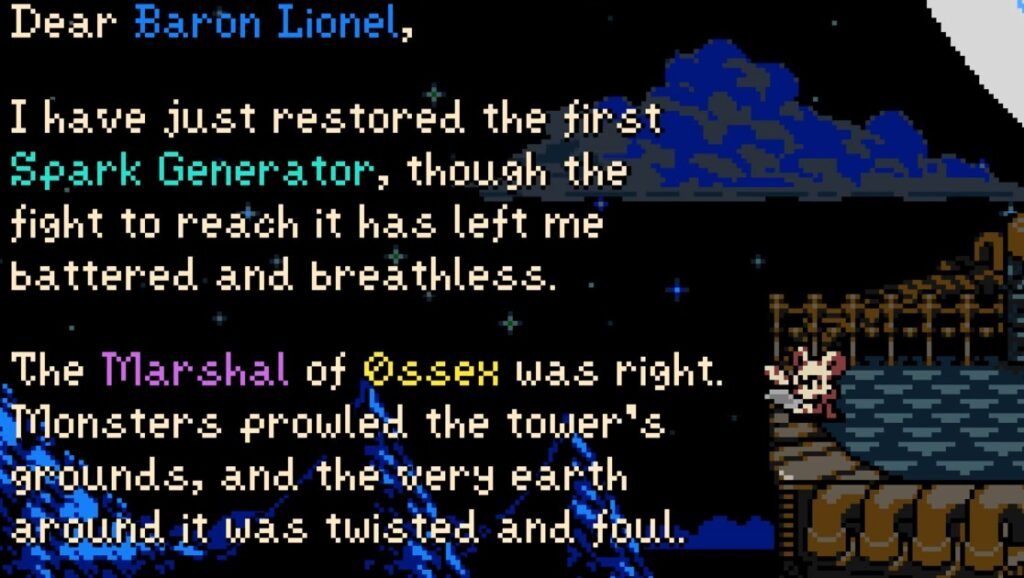
Lionel is one of the more memorable characters players encounter during Mina’s journey across Tenebrous Isle. Without diving into spoiler territory, Lionel serves as an important part of the game’s world-building and narrative, helping flesh out the island’s strange history and mysterious inhabitants.
Like many characters in Mina the Hollower, Lionel blends charm, humour, and uncertainty in a way that fits the game’s gothic atmosphere. Paying close attention to his dialogue can reveal additional lore details that are easy to miss during a first playthrough, but don’t tell anyone that I said that.
How Long does it take to beat Mina the Hollower
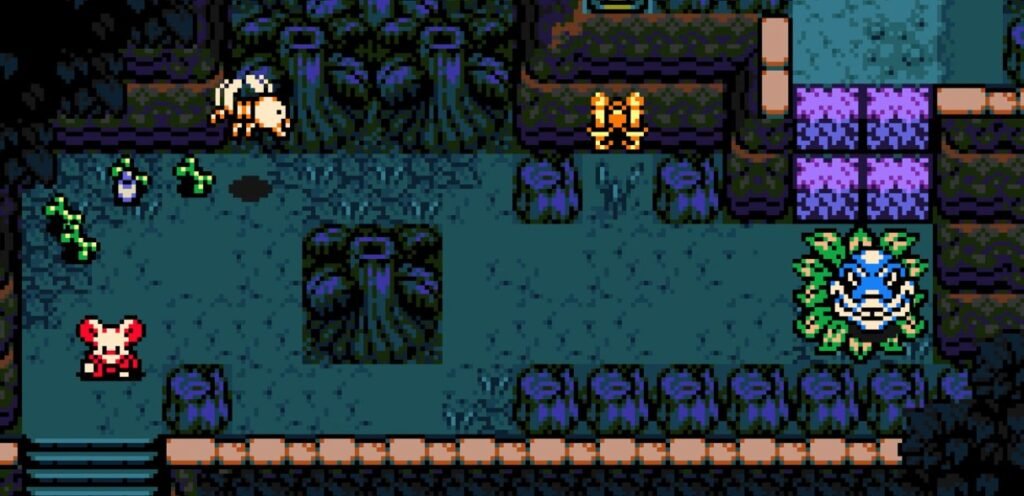
For most of you, a standard playthrough of Mina the Hollower takes around 12 to 18 hours depending on how thoroughly you explore. Gamers who focus primarily on the main story can finish slightly faster, while completionists looking to uncover every secret, optional area, and collectibles can easily spend 20 hours or more with the game, to be honest it does get really fun trying to uncover as much as possible.
Mina the Hollower is one of those games that tries to engage you. Depending on how you play, that can feel either incredibly satisfying or slightly exhausting.
I don’t think it’s perfect, and I don’t think it’s meant to be universally accessible. But I do think it’s one of the most confident indie releases in recent memory. It knows exactly what it wants to be and it doesn’t soften itself to make that easier. Go ahead and grab a copy, it will be worth the punt.
Mina the hollower
Take control of Mina, a renowned Hollower hurtled into a desperate mission to rescue a cursed island.