Best Horror Games in 2026 - Psychological Fear, Co-op Panic & Survival Horror
Horror games in 2026 are no longer just about jump scares or scripted monsters appearing at the wrong time. The genre has evolved into something more constant, more system driven, and honestly a lot more unpredictable.
Whether it’s co-op chaos, psychological pressure, or survival horror where every resource matters, modern horror is less about “what will scare you” and more about “how long you can stay in control before the game takes it away.”
Types of Horror Games in 2026
Horror games now split into a few very clear directions, and most of the best games sit somewhere between them.
- Survival Horror (Resident Evil, Dead Space)
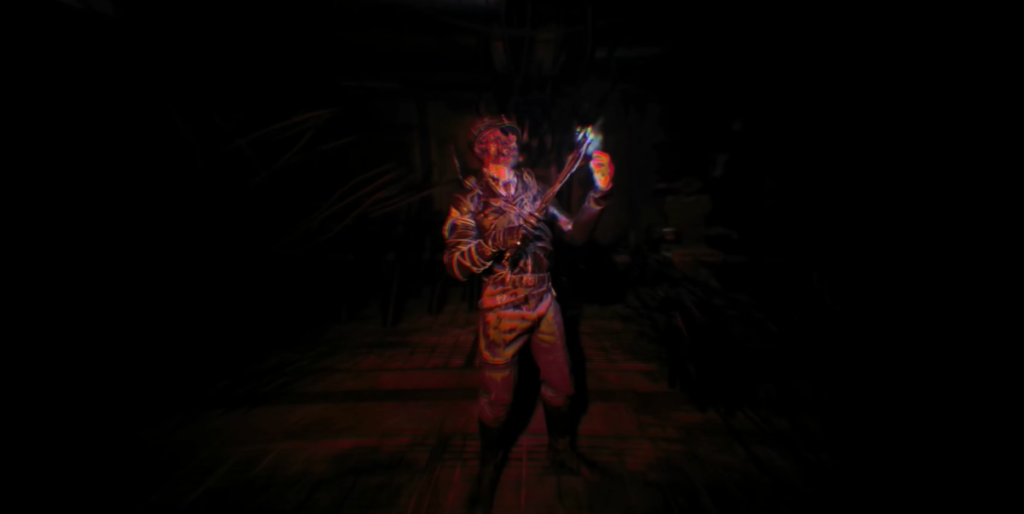
- Co-op Horror Chaos (Phasmophobia, The Outlast Trials)
- Psychological Horror (Silent Hill, Amnesia)
- Stealth / AI-driven Horror (Alien: Isolation style design)
- Survival Sandbox Horror (Sons of the Forest)
Each one hits differently, but they all rely on one thing, it’s the pressure that builds over time instead of instant scares at every turn.
| Game | Type | Why Play |
|---|---|---|
| Sons of the Forest | Survival Horror Sandbox | Unpredictable AI survival chaos |
| Phasmophobia | Co-op Horror | Pure communication panic |
| The Outlast Trials | Co-op Survival Horror | Structured stress-based horror |
| Resident Evil 4 Remake | Action Survival Horror | Controlled tension + combat balance |
| Silent Hill 2 | Psychological Horror | Story-driven mental pressure |
| Dead Space Remake | Survival Horror | Sound-driven isolation fear |
| Amnesia Series | Psychological Survival | Vulnerability-based horror systems |
| Alien: Isolation | Stealth Horror | AI that actively learns your behaviour |
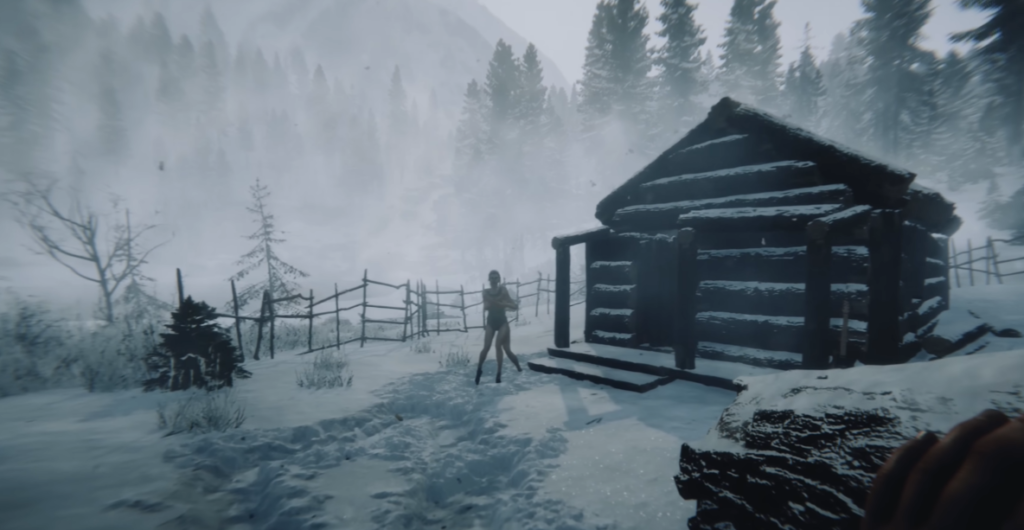
Sons of the Forest
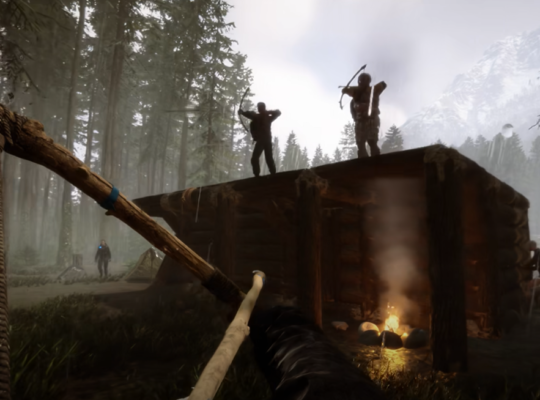
I really enjoy exploration and story driven horror games, and Sons of the Forest quickly pulled me into its survival mechanics. After surviving a helicopter crash on a remote island, you’re left to gather resources, build shelter, and uncover the mystery behind the island’s inhabitants. I know this sounds like the Lost series but trust me it hits different. What starts as a survival challenge soon becomes a fight against hostile cannibals and disturbing mutants lurking in caves across the map.
One of the things I enjoyed most was the freedom to approach survival however I wanted. Kelvin is your AI companion, and can be told to collect logs, gather food, or help build your base, which makes the early game feel much less overwhelming.
Exploring the island is genuinely rewarding, especially when you discover important tools like the Rope Gun, Rebreather, and Shovel that unlock new areas. Some of my favourite moments came from venturing into dark cave systems with limited supplies, never quite knowing what was waiting around the next corner.
The enemy AI also helps make the world feel alive. Cannibals don’t always attack on sight and sometimes they’ll watch from a distance, circle your camp, or test your defences before returning in larger groups later. I found myself constantly looking over my shoulder while building, especially after noticing enemies observing me from the tree line. Is that creepy or what. That unpredictability creates a lot of tension that few survival games manage to maintain.
Building a secure base becomes increasingly important as the game progresses. Whether you’re constructing a lakeside cabin, setting traps around your walls, or creating elevated platforms for better defence, your choices have a real impact on how easy it is to survive the island’s growing threats.
Downside:
While the survival mechanics are engaging at first, there were times when gathering resources, repairing defences, and dealing with repeated enemy attacks started to feel repetitive. If you’re more interested in exploration and story than base maintenance, the constant need to manage your camp can occasionally slow the pace down.
For the latest news, updates, and patch notes for Sons of the Forest, visit the official Steam page where the developers regularly post changes and improvements.
Phasmophobia
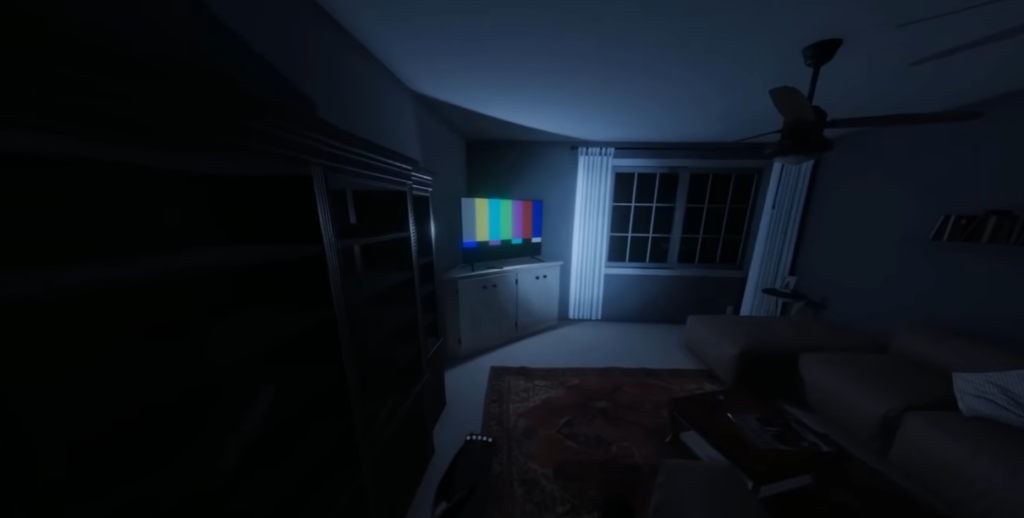
After speaking with a few friends who also like horror games, I expected Phasmophobia to be less scary than playing alone. Instead, it ended up being one of the most nerve wracking co-op experiences I’ve played. Rather than relying on jump scares, the game creates tension through investigation, forcing you and your team to gather evidence and identify the ghost haunting a location before things spiral out of control.
Each investigation starts relatively calmly. You’ll enter houses, schools, prisons, and other haunted locations equipped with tools like EMF Readers, Spirit Boxes, Thermometers, and Video Cameras. At first, it’s a methodical process of searching rooms for clues, but the atmosphere quickly changes once ghost activity begins to increase. Some of the things that stuck with me came from hearing a teammate suddenly stop responding over voice chat, only to realise the ghost had started a hunt and separated us.
One of the best features in Phasmophobia is how voice communication is woven directly into the gameplay. Certain ghosts can react to players speaking nearby, and during hunts, panic often causes teammates to make mistakes that put everyone at risk. I’ve had playthroughs where the entire team confidently narrowed the ghost down to one type, only for a rushed decision or missed piece of evidence to prove us completely wrong. Even after dozens of hours, no two investigations feel exactly the same thanks to the variety of ghost behaviours and randomised evidence.
The game becomes even more intense on higher difficulties, where key pieces of evidence may be hidden, sanity drains faster, and ghost hunts become far more frequent. These changes force you to rely less on equipment and more on experience, teamwork, and observation.
Downside:
While Phasmophobia remains incredibly tense, some of the fear factor does fade once you become familiar with the different ghost types and their behaviour patterns. After enough investigations, you can often identify certain ghosts quickly, making lower difficulty matches feel less unpredictable than they did during those first terrifying sessions, however don’t let that take the game away from having a nice scare fest with your friends. You really won’t regret playing this one.
The Outlast Trials
The Outlast Trials feels like a different approach to the usual survival horror formula. Instead of a single linear story like earlier Outlast games, you’re placed into a series of “trials” where you and other players are forced to complete objectives inside hostile, controlled environments while being hunted.
Each trial is structured around tasks that seem simple at first, things like restoring power, collecting items, or unlocking exits. But everything becomes much harder once the threats start closing in. You might be sneaking through a dimly lit facility to find key items, only to hear an enemy begin a patrol that cuts off your planned escape route. In co-op, this becomes even more intense, as splitting up to complete objectives faster can quickly turn into panic when someone gets chased and the team loses coordination.
What makes the game really work is how it blends teamwork with constant pressure. You’re rarely safe, even when you think you’ve cleared an area, I think this is because enemies can reappear or shift their patrol patterns. Some of the most intense moments come during extraction phases, where everything falls apart at once and you’re forced to sprint, hide, or improvise your escape while teammates get separated or caught.
Downside:
The structured, repeatable trial system can start to feel repetitive over time. Once you understand the layouts and objectives, the sense of unpredictability decreases, and the gameplay can feel more like completing routines under pressure rather than experiencing fresh horror each time.
Silent Hill 2 (Remake / Legacy Impact)
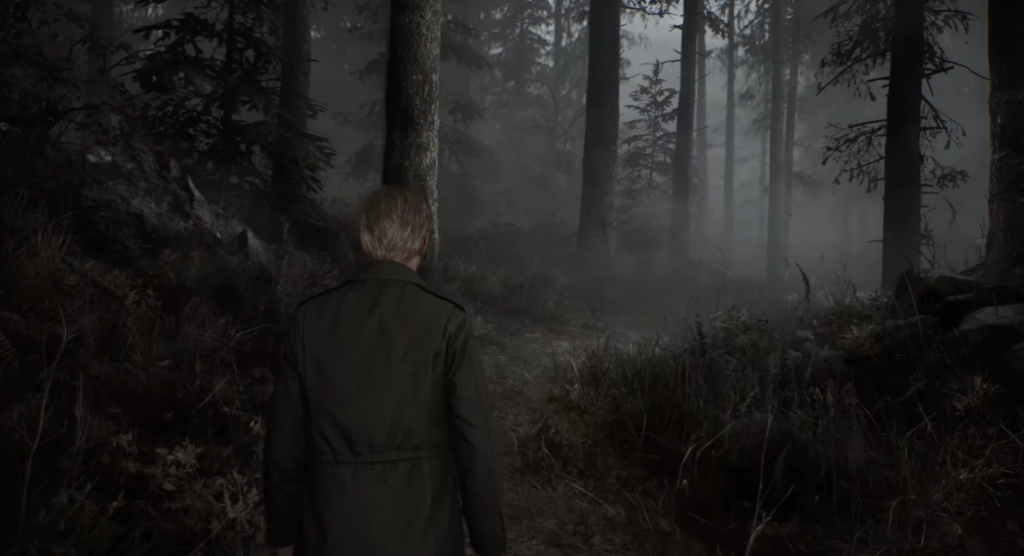
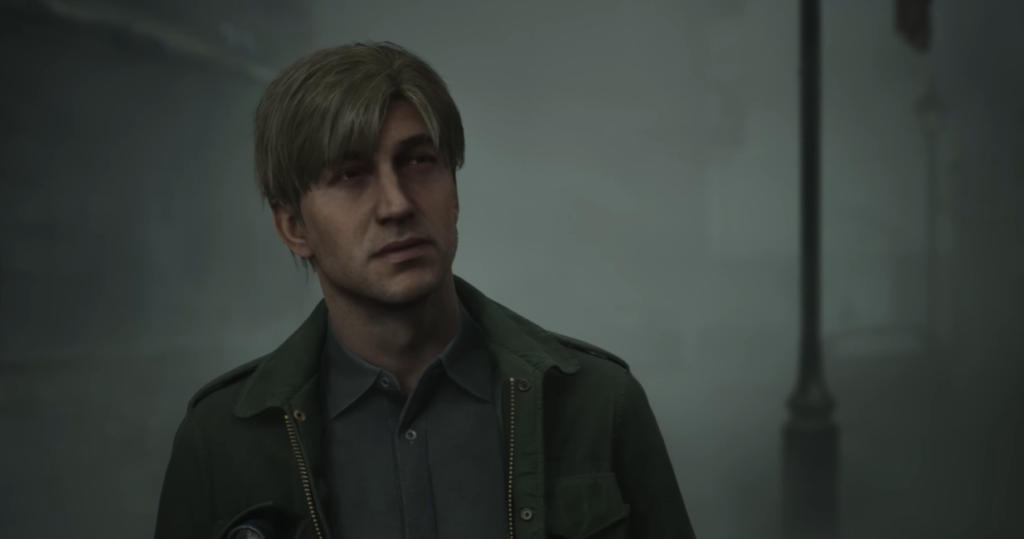
Silent Hill 2 is often remembered less as a traditional horror game and more as a psychological experience that slowly gets under your skin. Whether you’re playing the original or the remake, the core experience stays the same: you step into Silent Hill as James Sunderland, a man searching for his late wife after receiving a mysterious letter from her.
Instead of focusing on constant combat or jump scares, the game builds tension through exploration and interpretation. You’ll spend a lot of time moving through fog covered streets, abandoned apartments, and unsettling interiors where every detail feels symbolic. For example, early sections in the Wood Side Apartments force you to navigate dim hallways filled with limited visibility, where even simple exploration becomes uncomfortable because you’re never fully sure what you’ve missed or what’s waiting behind the next door.
Encounters with enemies like the iconic Pyramid Head, yes you know the one I mean. When he appears in confined spaces, it often feels less like a traditional boss fight and more like a manifestation of guilt and psychological pressure closing in on you. Even combat feels intentionally heavy and awkward, reinforcing the idea that James is not a trained fighter but an ordinary person trapped in something he doesn’t fully understand. This really differs from someone like Leon in Resident Evil who can pretty much kick a zombie’s a**, literally.
Silent Hill 2 stands out because so much of it is left open to interpretation. The environments, enemy designs, and even certain events are widely discussed because they can represent different emotional or psychological themes depending on how you read them. It’s a game that lingers long after you stop playing.
Downside:
It’s not designed for gamers looking for fast paced action or constant gameplay variety. A large part of the experience is slow exploration, atmosphere, and interpretation, which can feel minimal or uneventful if you prefer more direct interaction.
For the latest news on Silent Hill, visit the official Steam page.
Dead Space (Remake)
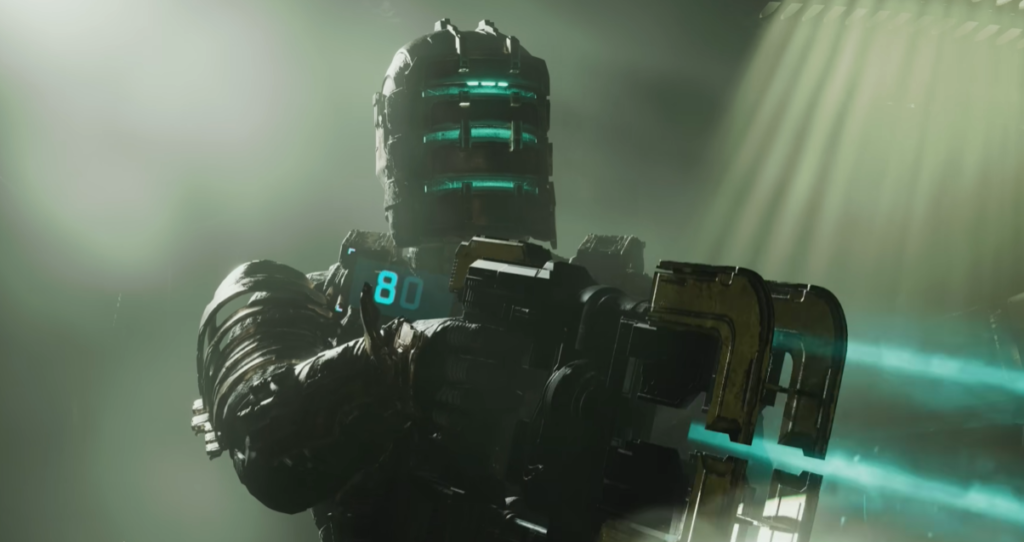
The Dead Space Remake puts you in the role of Isaac Clarke, an engineer sent aboard the USG Ishimura to investigate a mining ship that has gone completely silent. What you quickly discover is that the crew has been transformed into Necromorphs, grotesque reanimated creatures that force you to rethink how survival horror combat actually works.
Unlike traditional shooters, the game is built around strategic dismemberment rather than headshots. In early encounters, you’ll find yourself carefully aiming at limbs instead of torsos, using tools like the Plasma Cutter to control how enemies move rather than simply trying to eliminate them quickly. Even a single Necromorph can become a major threat in tight corridors, especially when ammo is limited and visibility is reduced by flickering lights or smoke-filled rooms.
The Ishimura itself becomes a constant source of tension. Power failures cut off lighting mid-exploration, air vents become potential entry points for ambushes, and sound design plays a major role in keeping you on edge, this is definitely a game where a good pair of headphones does wonders. Whether it’s distant scraping behind walls or sudden bursts of movement just out of sight. Even traversal between objectives feels unsafe, as you’re rarely given a moment where you feel fully secure.
What makes the remake especially effective is how it refines pacing and environmental storytelling. Sections like medical decks or engineering halls are not just backdrops but active threats, with enemy encounters often triggered in ways that feel tightly controlled to maintain pressure without overwhelming you too quickly.
Downside:
Once you understand enemy patterns, upgrade routes, and optimal combat strategies, the tension can lessen significantly on repeat playthroughs, making later runs feel more predictable than the first experience. However with that in mind, the game itself plays great homage to the sci-fi horror genre and is definitely worth a try.
Alien: Isolation
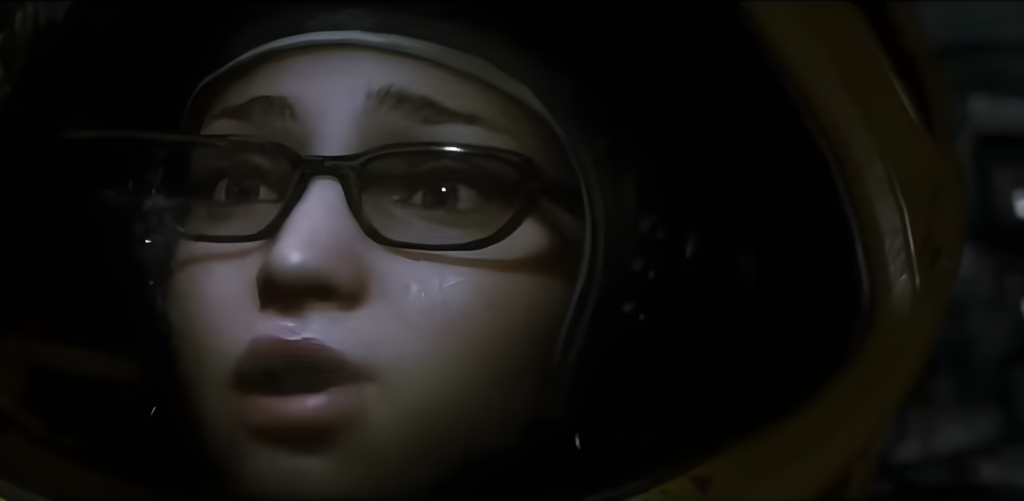
Alien: Isolation puts you in the role of Amanda Ripley, searching for answers about her mother aboard the abandoned Sevastopol space station. What starts as an investigation quickly turns into a fight for survival when a single Xenomorph begins hunting you through the station’s claustrophobic corridors.
Unlike most horror games, there is no reliable way to “learn” the enemy. The Alien uses adaptive AI, meaning it reacts to your movement, sound, and habits. For example, if you repeatedly hide in vents or lockers, it will begin checking those spaces more often. Even small actions like running through a corridor or using equipment like the motion tracker can attract its attention, forcing you to constantly change your approach. There are long stretches where you might carefully move from room to room, crouched behind desks or under tables, only for the Alien to suddenly drop from a vent and reset all your progress in seconds.
Stealth is your main survival tool, but it never feels safe. I mean you have all seen the movie right. Tools like the flamethrower can briefly force the Alien to retreat, but even that only buys you time rather than creating true security. The station itself becomes a maze of uncertainty, with working Joes (hostile androids), flickering lighting, and sealed off sections adding extra layers of tension as you try to avoid detection.
What makes Alien: Isolation stand out is how consistently it maintains pressure. Even moments of silence feel dangerous because you know the Alien could already be tracking you nearby, just out of sight.
Downside:
For me, the constant tension and lack of long term safety became mentally exhausting over longer playthroughs. It really wears you down after extended sessions, and that won’t suit everyone. However, that’s also exactly how the game is designed, and it does a great job of delivering that survival horror experience. For some players, the unpredictability that makes the game so effective can also make it feel more stressful than enjoyable over time.
Honourable Mentions
- Resident Evil Series – Still the backbone of modern survival horror
- Amnesia Series – Psychological horror consistency
- Outlast Series – First-person helpless horror design standard
- Layers of Fear – Narrative-driven psychological horror experience
- Visage – Slow-burn indie horror with strong atmosphere
Which Horror Games Should You Play?
- If you want chaos, unpredictability, and constant survival pressure Sons of the Forest
- If you want co-op panic and anxiety filled ghost hunting with friends go for Phasmophobia
- If you want structured, old-school objective-based horror gameplay then The Outlast Trials has to be it
- If you want psychological, story-driven horror grab the Silent Hill 2 (Remake)
- If you want intense survival horror with constant resource pressure then Dead Space Remake should be your go to game
- If you want relentless AI driven stealth horror and tension then Alien: Isolation and once that is over pick up alien isolation 2 when it’s out in the wild.
The Melt Verdict
Horror games in 2026 aren’t trying to shock you for a moment and move on like the older, more traditional titles did. Instead, they’re built around systems that stay active in the background, waiting for mistakes, hesitation, or curiosity to slowly break your sense of control.
Some do it through silence, others through chaos, and some lean into co-op panic where nobody in the group ever really feels safe and honestly, why would you in a horror game right?
It’s no longer about jump scares, it’s about how long you can hold on before the game quietly takes control away from you.