Starfield: The Crushing Infinity of Choice and Emptiness
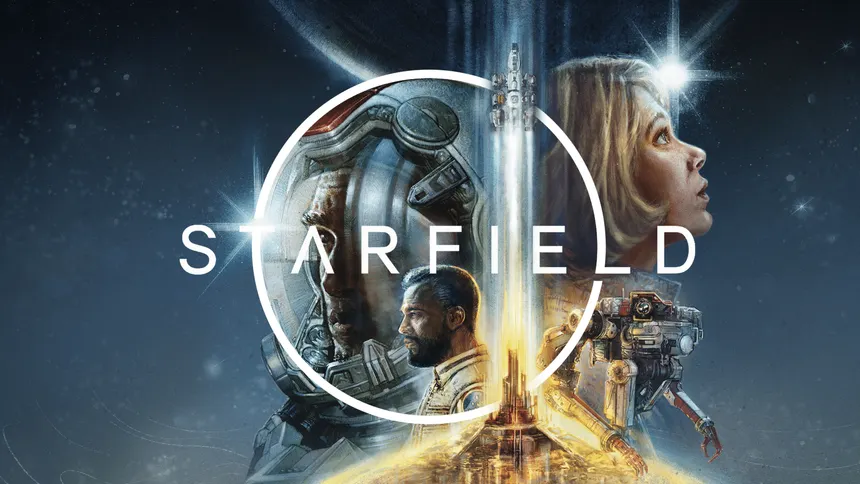
Starfield promised the stars. What it delivered was something stranger.
I spent hours charting my first jumps through Starfield’s galaxy, learning the ropes of ship combat, scanning alien worlds, and occasionally getting lost in the menus (it’s Bethesda, after all). On the surface, it’s everything you’d expect from their first new IP in over 25 years the open-ended quests, rich lore, and a map so big it makes you question if you should’ve packed more snacks.
A galaxy where the vastness isn’t just physical, it’s emotional. This isn’t just a space RPG. It’s an existential sandbox where you mine rocks on a moon while questioning the meaning of your entire digital life. So with that, here’s what makes Starfield feel less like a typical sci-fi epic and more like Bethesda’s strangest, most ambitious experiment yet.
A galaxy where the vastness isn’t just physical, it’s emotional. This isn’t just a space RPG. It’s an existential sandbox where you mine rocks on a moon while questioning the meaning of your entire digital life.
The Illusion of Freedom
I started this journey hungry for breathless discovery a ship, an open sky, a galaxy that promised surprises at every turn. What I found instead was a different kind of freedom: one that asks you to fill in the meaning as it quietly withholds it. If you’re here for a Starfield review or quick Starfield gameplay impressions, read on this one’s for players who like to wander.
A Thousand Worlds, One Feeling
On paper, Starfield is liberation. A thousand planets. Factions, quests, ship building, space pirates, philosophical weirdos in lab coats. But the more ground (or regolith) you cover, the more that “liberation” starts to look like an ocean of opportunities with no lighthouse. Not empty in the sense of contentless meticulously decorated environments, complex systems, and plenty of Starfield side quests but empty of purpose. Too many perfectly fine places that nevertheless feel like background props for a story you never quite signed up to tell.
The Dare of Exploration
Exploring in Starfield rarely feels like discovery so much as compliance. The UI teases you with blips and icons, daring you to see what’s behind the jump gate, the loading screen, the next “point of interest.” You oblige, and often you get another exquisitely rendered nowhere. That expectation loop is itself a mechanic and it keeps you scanning, dropping down, and hoping which is to say the game rewards hope rather than revelation. If you’re hunting Starfield tips for how to avoid empty planets, the first one is here for you to grasp, manage your expectations.
The Cosmic Shrink Ray
There’s an odd emotional architecture here, scale used to make you feel small not in awe, but in the way a city can make you anonymous. The galaxy’s scope amplifies how tiny your decisions feel. That feeling is intentional, and oddly affecting it’s a loneliness dressed up as scale. For folks asking about how to play Starfield for long form immersion, this is the tone you sign up for patient, sprawling, occasionally brutal.
Stepping back, that loneliness isn’t a flaw so much as a tone the game insists you live in. So I kept moving, because movement is the only honest reply when everything else feels optional.
NPCs, Lore, and That Todd Howard Energy
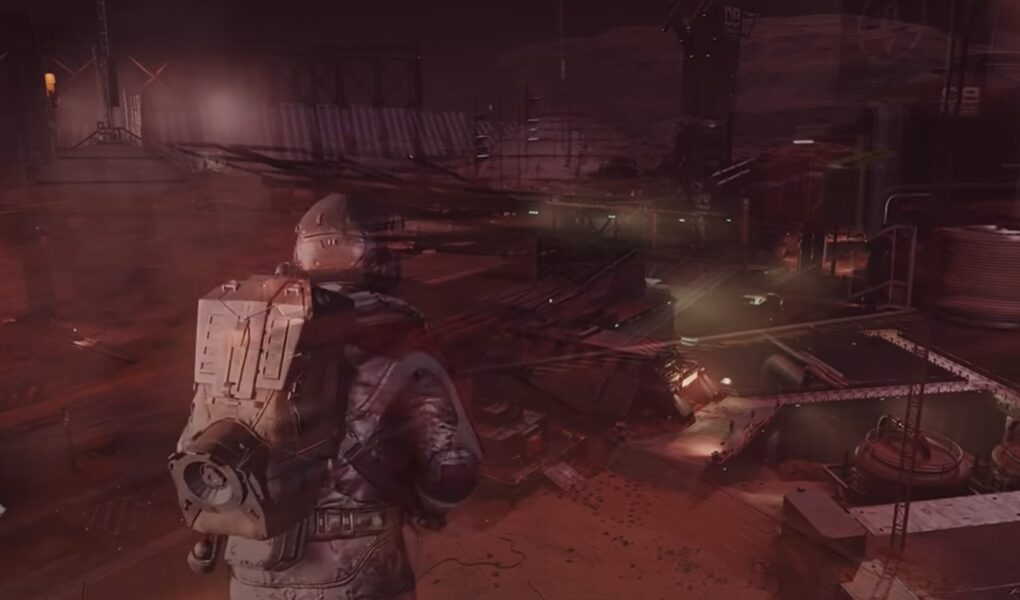
If the galaxy is the stage, the NPCs are the props that occasionally try to act. Conversation often hits the priority queue for “serviceable,” but what the characters lack in charisma they make up for in scaffolding and that’s lore scaffolding built to collapse spectacularly into obsession. This is the part that will draw players who love Bethesda lore and the slow drip of mystery.
Conversations from Another Century
Talking to people in Starfield is like reading instruction manuals that occasionally remember to be human. Dialogue can be stiff, quests can lean on exposition, and some NPC animations still telegraph that you’re dealing with systems more than souls. Yet those dry exchanges carry the weight of the universe’s backstory, so you tolerate the awkwardness to extract the bits that matter. If you’re searching for Starfield characters or which factions to join first, expect to read a lot.
Lore as a Drug
Underneath the stilted talk is an ecosystem of lore so dense it becomes its own reward. Political movements, religious proto tech, corporate conspiracies the more you dig, the more layers you find. Bethesda knows how to hook you this way: give you crumbs of mystery, then make the crumbs point at more crumbs until you’re elbow-deep in asteroid-field-level detail. Fans hunting for Starfield story spoilers will find abundant material, casual players will find a garden of mysteries.
The Jank-Magic Ratio
This is classic Bethesda alchemy: mix a healthy dose of ‘jank’ with a pinch of myth and you get obsession. The rough edges are part of the bargain. The game isn’t polished into placidity, it’s raw, sometimes frustrating, and that rawness fuels curiosity. You will forgive the clunky line delivery if the next datapoint explains why the Unity matters. And so you forgive, and you dig. If modding is your thing, many players search Starfield mods to smooth or amplify exactly this tension.
Between the lore that nags at your curiosity and the conversations that rarely land, the game creates a tug-of-war: you’re annoyed, then intrigued, then annoyed again and, crucially, still playing.
The Paradox of Meaningless Mastery
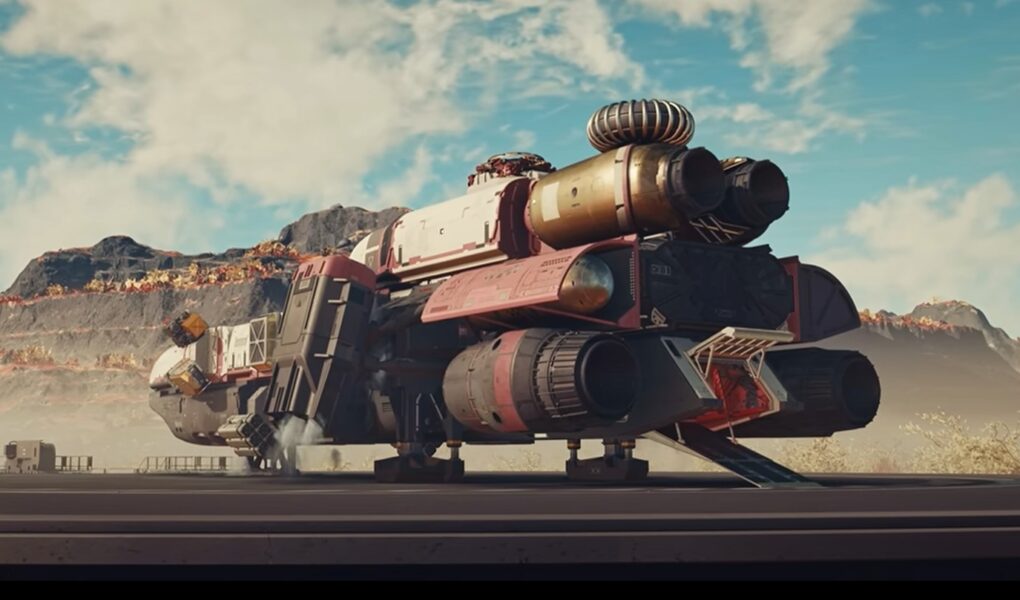
If Starfield has a central sensation beyond awe or boredom, it’s that of being very busy about very little. The systems reward attention and then rarely reward the sense that the attention was for anything greater than itself. So, if you’re searching for “Starfield ship building guide” or “Starfield best skills,” this is the emotional backdrop to those meticulous systems. But hey, if you’re more of a show me how it’s done kind of person, here’s a great ship building guide that breaks it all down
Source: Morphologis
The North Star That Isn’t There
There’s no single, burning mission that makes every tiny action feel consequential. Instead you get a galaxy of small projects, outfit your ship, learn this skill tree, sway that faction. Each is satisfying in the moment, but the cumulative sensation is more like polishing tools that have no job waiting at the end. That’s not a bug if you crave sandbox play it’s the whole point.
Tools in Search of a Purpose
You can spend hours tuning a ship to glide through a nebula, then three minutes later you’re hiking for a hot snack on a desert moon. The mastery loop is intoxicating: mod a rifle, master a dialogue check, extract a rare ore. But frequently, those accomplishments exist in a vacuum. The game gives you the tools and trusts you to invent meaning sometimes that’s liberating, sometimes it’s kind of cruel. Search trends like Starfield best weapons or Starfield ship combat tips reflect players trying to create meaning in those systems.
Loneliness as Design
Most rabbit holes lead to small rewards or quiet silence. That’s by design. Survival, not salvation, becomes the theme: you learn to be sufficient in a universe that doesn’t promise to be grateful. And if that sounds bleak, it’s also oddly honest it mirrors the way big open systems in real life offer choices without necessarily offering narrative closure.
Slowly, you realise that the grind of mastery in Starfield isn’t about triumphing over the galaxy it’s about carving out a tiny, stubborn space where your actions mean something to you. If you’re building a Starfield build or figuring out best skills to level, keep that in mind: the choices are more about personal meaning than meta wins.
After hours of jumping, mining, arguing with AI, and occasionally weeping over a beautifully rendered barren valley, I reached a conclusion: Starfield is less an escape and more a mirror. It shows us what happens when abundance and choice are dialled to eleven.
The Slow Burn of Space
This game doesn’t assault you with spectacle; it simmers. Its pleasures are patient and cumulative. If you like immediate payoff, Starfield will test your attention span. If you like the slow accretion of meaning the way small discoveries stack into a worldview it will reward you in ways that sneak up over time. For long-form players searching how long is Starfield or Starfield replay ability, those are the signals to watch for.
Beauty and Boredom in the Same Breath
It’s both breath taking and occasionally tedious, often in the same hour. That contradiction is the point. The moments of wonder are more potent because they’re rare; the boredom is part of the texture that makes the highs feel earned. Folks debating Starfield pros and cons online will nod at this, it’s messy, and that’s part of the charm.
Play It, Get Lost, Question Everything
This isn’t the space game we dreamed of in a tidy, cinematic sense. It’s messier, weirder, and frankly more interesting. Starfield asks you to be patient, curious, and a little lonely. If you accept that bargain, you’ll find a game that’s equal parts burnout and wonder, a reflection of our times wrapped in starlight.
So go on fly a little farther, talk to the awkward scientist, mine the rock just because, and see what you feel when the engine hum dies and you’re the only person standing on an alien shore. Question everything or don’t. The galaxy will wait.