Split Fiction - A Torn Co-Op Multiverse Adventure
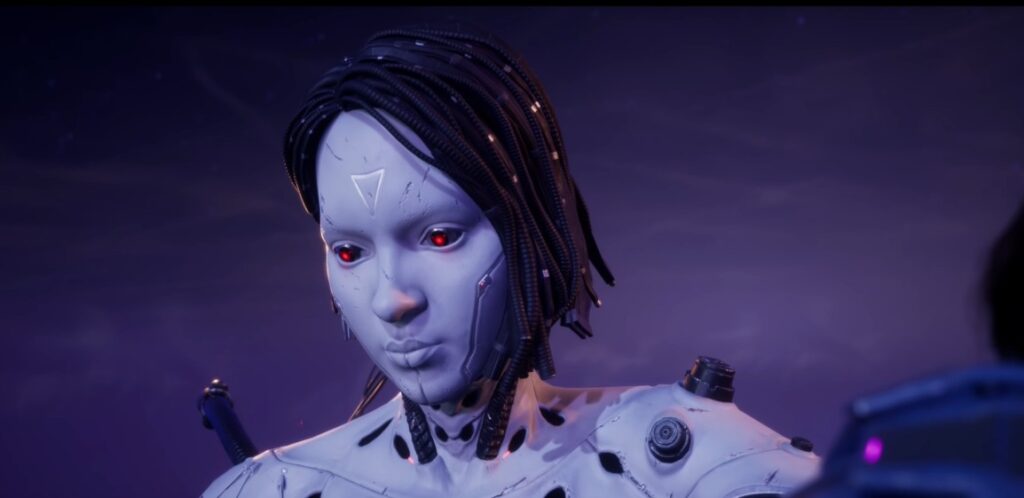
The concept of Split Fiction clicked with me immediately. It’s a co-op story adventure about two characters pulled into a collapsing multiverse of unfinished stories. Each “world” is a different genre, detective noir, sci-fi horror, fairy-tale fantasy and the two players have asymmetrical powers. One manipulates narrative structure (rewinding scenes, reshuffling story beats), while the other manipulates physical objects inside the world.
Think It Takes Two + Superliminal + a visual novel with ADHD.
The moment I jumped in with a friend, I could see the ambition. Some levels are genuinely clever, like forcing one player to rewrite the script mid-cutscene while the other dodges hazards the rewrite creates.
But then… well… we started hitting the cracks.
What Split Fiction Actually Gets Right
To be fair, the game fires on several cylinders:
1. Multiverse Variety (When It Works)
Some worlds feel incredible, especially the noir and sci-fi chapters. The puzzles change dramatically between them, and when the narrative manipulation mechanics behave, it’s unlike anything else in co-op gaming.
2. Strong Character Dynamics
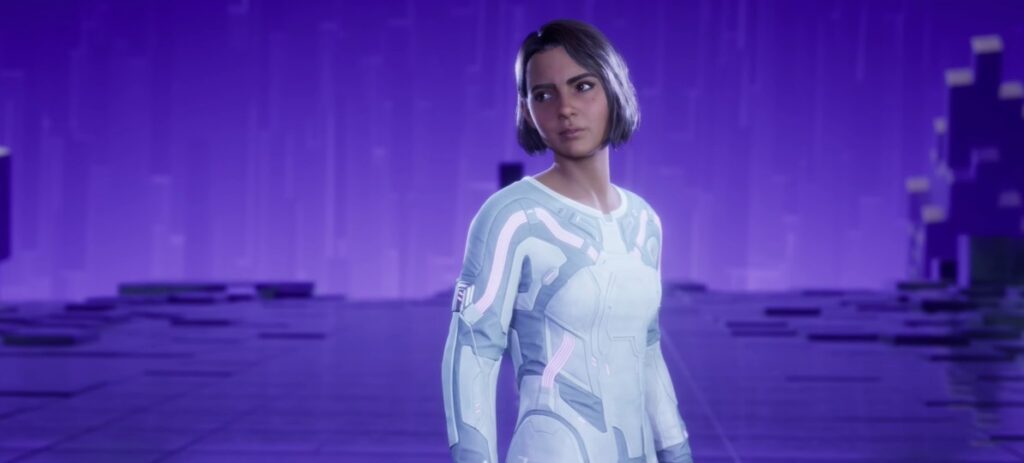
The writing between the leads is surprisingly emotional. Their banter is solid, and the relationship growth ties directly to puzzle mechanics. This is where it feels closest to It Takes Two.
3. Smart Co-Op Design
You cannot play this solo, and honestly? That’s the right call. The teamwork moments, when they’re smooth they really feel special. But now we get to the meltdown.
Where Things Start Falling Apart
- The Noir Level has broken my save many times
- Desync every 20 minutes, what is going in here
- Sometimes the Co-Op is fighting the Game more than the Puzzles
Desync Hell
This is the big one. My friend and I would solve a puzzle, watch a cutscene, and suddenly:
- I was in the next area
- They were still in the previous world
- The game insisted we were both wrong
Nothing kills dramatic storytelling like both players yelling,
“Wait, WHAT scene are YOU seeing?”
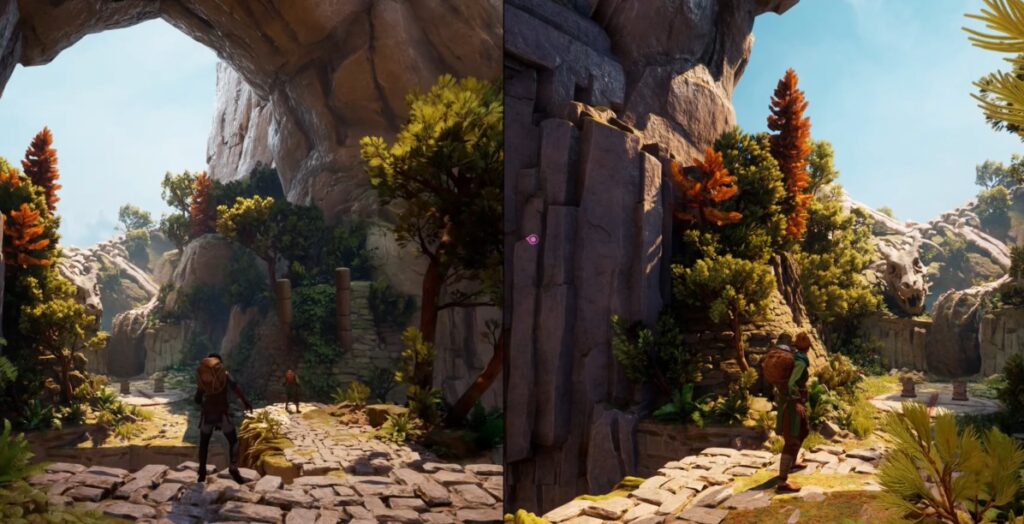
The Narrative Rewrite Mechanic Sometimes Implodes
The coolest mechanic is also the most unstable. If the writer-player rewrites a scene too fast or changes too many elements, the game can:
- freeze
- duplicate objects
- soft-lock the level
- force a chapter restart
This is kind of like the quantum crash button
Glory to the Glitchover
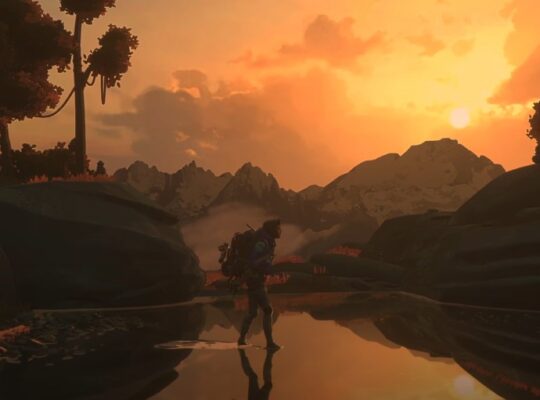
Certain worlds, especially the fantasy arc to me, feel unfinished. The art is beautiful, but the platforming feels held together with tape. Half the enemy AI just… stops moving.
One time a miniboss rotated in place for 40 seconds like he was loading a brain update.
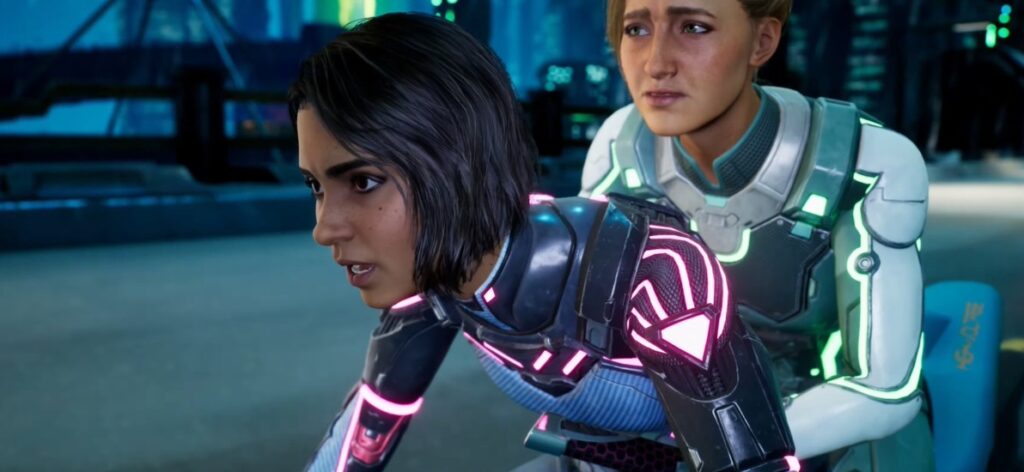
So… Is Split Fiction as Good as It Takes Two?
Personally for me no, but it could be someday.
It Takes Two is polished, tightly designed, and confident in its chaos.
Split Fiction is ambitious, charming, and full of creative ideas… but it’s also buggy, inconsistent, and sometimes fights against its own mechanics.
It feels like a spiritual cousin, not a successor. A brilliant student who forgot to proofread before the final exam. A multiverse of ideas trapped inside a game engine screaming for patches.
When it works, truly wow. When it breaks full meltdown
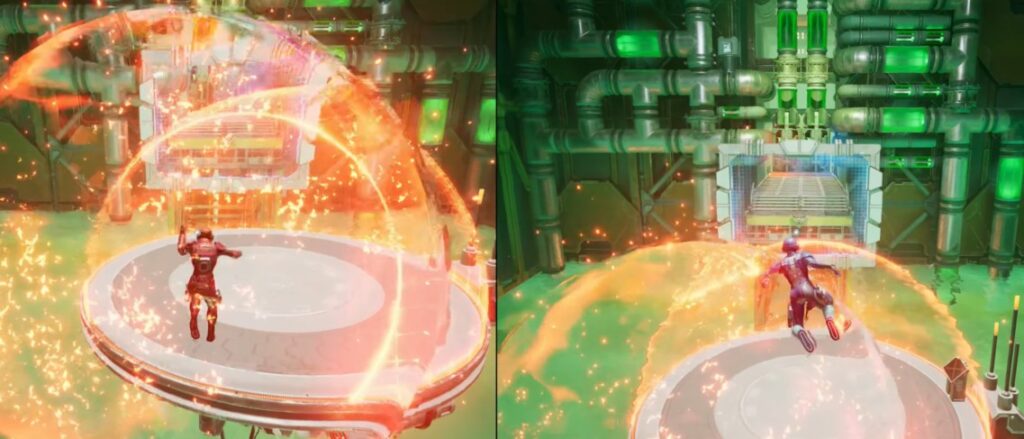
If you enjoy some good old co-up actions then check out our blog on Cuphead: King Dice’s Chaotic Card Boss Gauntlet
If you want to see all the official info, patches, and updates for Split Faction then Visit the official hazelight page.
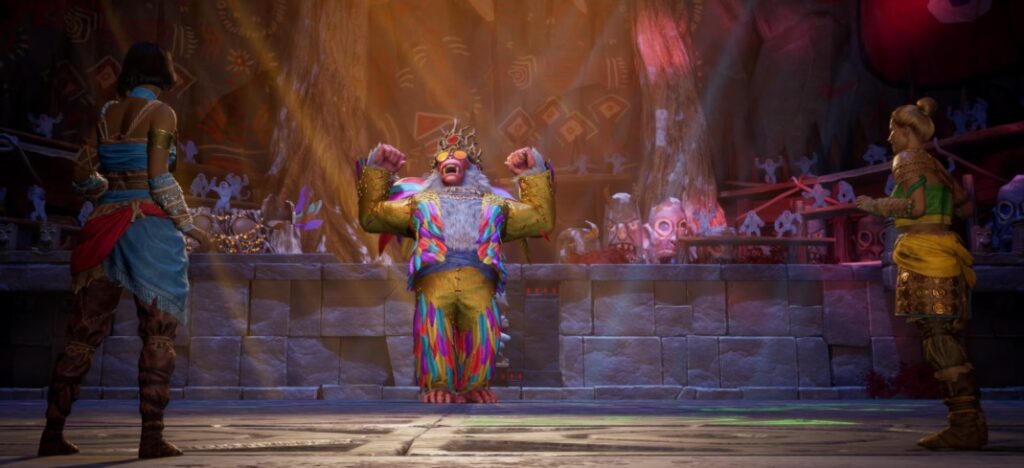
So, how melty is it?
First Chapters — 7.5/10
The concept grabs you immediately. Switching genres and realities mid-scene feels bold, clever, and full of potential. For a moment, you think, “Okay, this could genuinely compete with It Takes Two.”
Co-Op Chaos — 8.5/10
Then the cracks show. Desyncs, mismatched cutscenes, and puzzles triggering differently for each player create instant confusion. One minute you’re laughing with your partner, the next you’re arguing about which universe the game has decided you’re in.
Narrative Rewrite Stress — 9/10
The central mechanic, rewriting story elements, should be brilliant. Instead, it becomes a minefield. Sometimes it works. Sometimes it breaks entire set pieces. Sometimes your partner clips into the void while the scene tries to play anyway.
When the storytelling tool keeps breaking the story, the frustration snowballs fast.
Emotion vs Execution Burnout — 9.5/10
Split Fiction tries to deliver emotional beats, but technical stumbles keep undercutting them. Facial animations glitch, audio stutters, and dramatic pauses freeze a little too long.
It’s hard to cry when the scene looks like it’s buffering.
Total Melt Score: 8.6/10
Split Fiction is wildly ambitious, a multiverse co-op adventure with heart and style. But that ambition sometimes collapses under the weight of bugs, desync issues, and unstable storytelling tools. It shines in moments, but the emotional and technical inconsistency can leave players wondering how good the game could have been if all timelines aligned.
I don’t hate Split Fiction. Actually, I like it a lot and definitely enough to want it fixed.
It’s messy, ambitious, emotional, broken, clever, buggy, and genuinely unique. It’s exactly the kind of game that becomes a cult classic after patches and a Definitive Edition.
Right now? It’s a beautiful story trapped in a fractured reality and maybe that’s unintentionally poetic.