Sekiro: Shadows Die Twice – Brutal and Unforgettable
Sekiro: Shadows Die Twice constantly keeps players on edge with a type of cognitive dissonance that is rare in modern gaming. The story unfolds in subtle and fragmented pieces, delivered through environmental details, brief conversations, and item descriptions, while the combat demands absolute focus, perfect timing, and careful strategy. Players often feel disoriented when sudden narrative revelations or environmental hazards collide with the game’s brutal fight mechanics, which forces constant attention and sharp decision-making. There is no autopilot here and every moment requires intention.
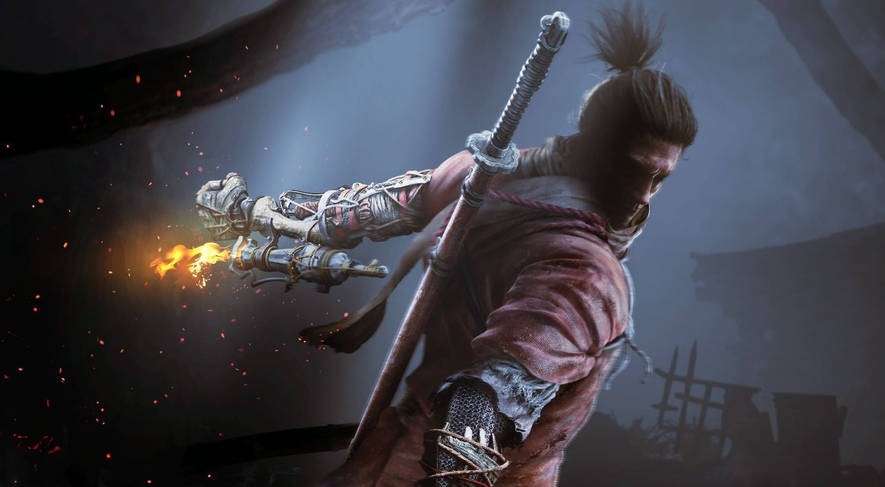
Soul-Crushing Boss Encounters in Sekiro: Shadows Die Twice
The game delivers soul-crushing encounters that challenge both skill and emotional endurance. Bosses such as Genichiro, the Guardian Ape, and Owl test players in ways that punish hesitation and mistakes with unrelenting intensity. Each defeat creates a lingering sense of personal failure, not because the game is unfair, but because it is honest and direct in reflecting mistakes. Sekiro shows players the consequences of errors and turns frustration into a drive to improve.
Obsession and Mastery Through Death
With repeated death comes obsession and mastery. Sekiro’s replay loop is addictive because it encourages learning patterns, adjusting tactics, and refining timing with every attempt. Progress often feels invisible, but when victory comes, it feels fully earned and satisfying. This design makes the pursuit of perfection compelling even when frustration threatens to take over.
Moments of Empathy Amid Chaos
Despite its relentless difficulty, Sekiro includes moments of empathy that surprise players. Interactions with Kuro or glimpses into the struggles of NPCs affected by war provide emotional depth and contrast sharply with punishing combat. These moments ground the experience, making victories and losses feel meaningful and memorable.
Replay Madness in Sekiro: Shadows Die Twice
The cycle of death and retry is addictive. Every mistake teaches you patterns, every victory feels earned, and the temptation to keep going—even after hours of repeated failure—is overwhelming. You’re trapped in a loop of obsession, constantly striving for mastery.
Empathy Overload
Sekiro’s story is understated but emotionally potent. Encounters with characters like Kuro, or seeing NPCs caught in the chaos of war, create quiet, human moments that hit unexpectedly hard. Even in a game famous for punishing combat, these narrative beats make you pause and feel.
Triumph Euphoria
When you finally overcome a brutal boss in Sekiro: Shadows Die Twice, the relief is almost intoxicating. Every parry, dodge, and precise attack culminates in a sense of accomplishment unlike any other. The highs feel earned, the adrenaline surges, and all the frustration melts away—at least temporarily.
So how melty is it?
Mind Warp: 9/10
Turns combat into a mindfulness exercise. You will suffer. You will transcend.
Emotional Damage: 10/10
This game hurts in places therapy can’t reach.
Gameplay Feel: 9/10
Surgical, precise, brutal. When it clicks, it’s better than anything.
Rage Factor: 11/10
Uninstall button has never seen this much action.
Redemption Arc: 8.5/10
You come back not to win—but to become worthy.
Total Melt Score: 9.3/10
A perfectly tuned instrument of violence and growth. Sekiro doesn’t break you—it unmakes you.