Sekiro’s Final Lesson - Why Isshin the Sword Saint Destroys Players
By the time you reach Isshin the sword saint, you feel ready, or at least, you think you are. You’ve mastered deflections, learned enemy tells, survived Genichiro, and internalised Sekiro’s rhythm. The arena is quiet. Snow falls. There’s a strange peace in the air that tricks you into thinking this is just another duel. It’s not.
Isshin the sword saint tests you immediately. Every swing is deliberate. Every pause is bait. From the very first clash, you realize this fight isn’t about learning anymore, it’s about execution. Perfect, relentless execution. Warm up those hands because you are going to need every finger firing off on all cylinders.
Why Is Isshin Called the Sword Saint?
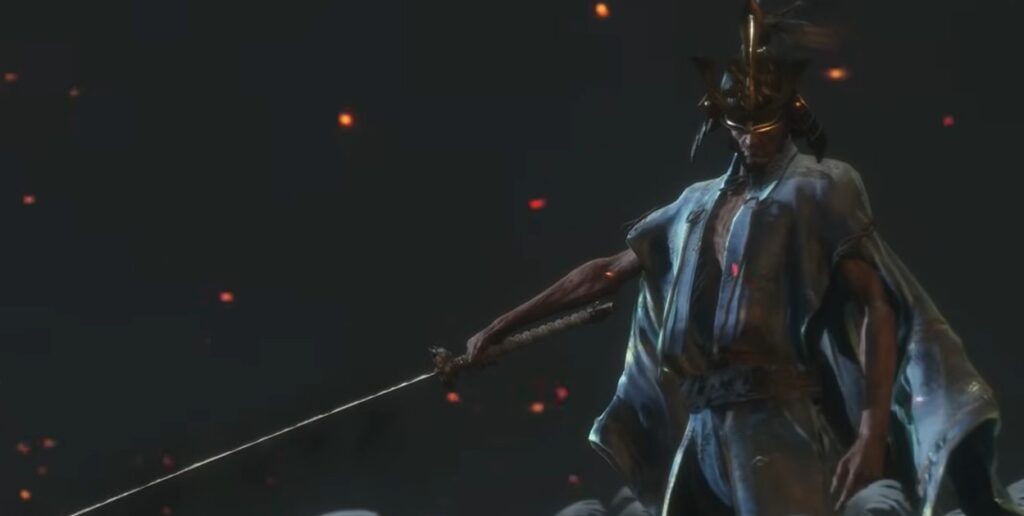
Isshin is called the Sword Saint because he represents the absolute pinnacle of sword mastery in the world of Sekiro. His skill transcends normal warriors, blending flawless technique, speed, and experience earned through countless battles. Even in old age, Isshin is revered as an unbeatable swordsman, and his resurrection in his prime fully embodies the legend behind the title “Sword Saint.”
Respect Is Mandatory with Isshin the sword saint
Isshin’s opening phase feels almost honorable. Swords only. Clean footwork. Clear tells. This is where the game asks: Did you actually learn how to deflect?
Miss one timing and your posture shatters. Heal too greedily and he punishes you. There’s no panic here yet, just intense focus. It’s a duel that demands respect, and if you treat it casually, Isshin ends it quickly.
This phase lulls you into thinking you can handle what’s coming.
The Spear Changes Everything
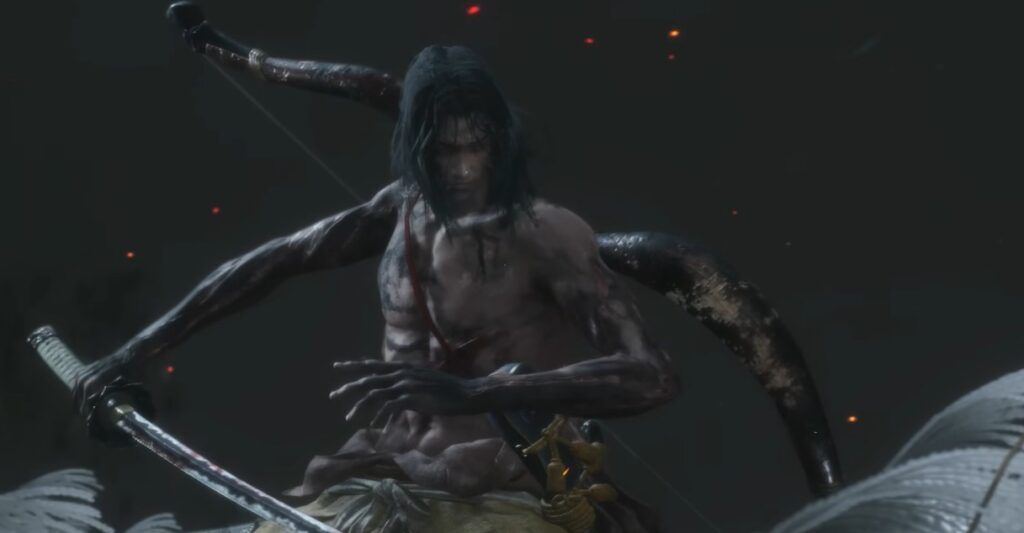
Then the spear comes out.
This is where I started unraveling. Isshin the sword saint’s range explodes. His attacks chain into each other. Gunshots interrupt your rhythm. The fight becomes faster, louder, and more chaotic. You’re no longer reacting.
This phase exposes every bad habit. Hesitation gets you stabbed. Aggression gets you punished. Even players who breezed through earlier bosses start to crumble here. I often hear my friends say that this is the moment they realised Sekiro wasn’t about being good and it was about being consistent.
I died here more than anywhere else.
Lightning and Desperation, Okay Isshin we get it.
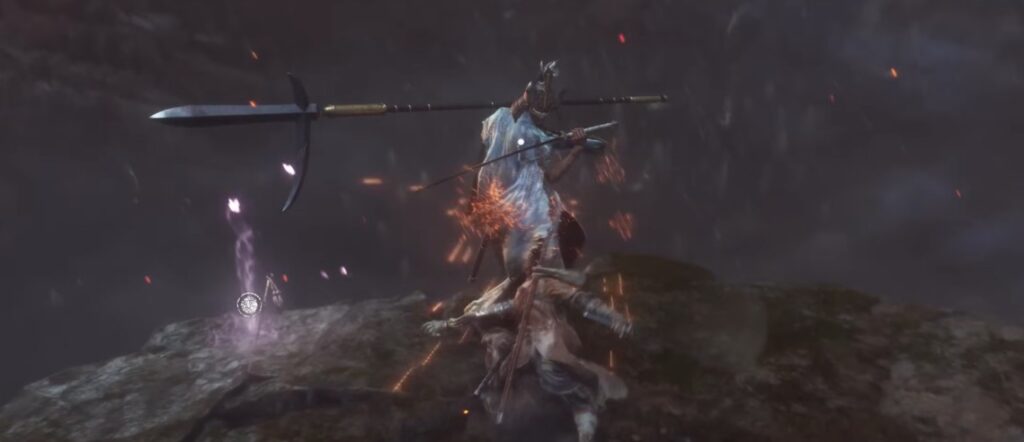
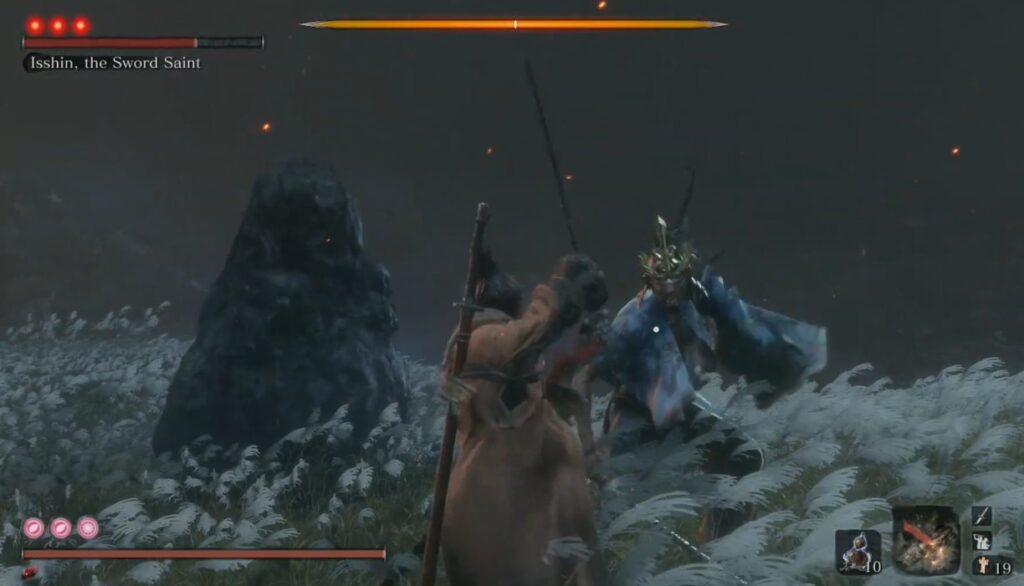
Just when you think you’re close, Isshin ascends into something else entirely. Lightning crashes down and the battlefield opens up. The pressure becomes overwhelming.
Mechanically, this phase isn’t wildly different but mentally, it’s devastating. You’re tired. Your hands hurt. You’ve been fighting for minutes already, and one mistake still means death.
This is where the fight becomes psychological. You know what to do. You’ve practiced it, but your nerves betray you. Miss one lightning reversal, and the run is over.
The Emotional Toll
Isshin isn’t frustrating because he’s unfair. Every death feels earned. Every failure is yours.
There’s no gimmick to exploit, no overpowered build to lean on. Just you, your blade, and your ability to stay calm under pressure.
I remember putting the controller down after one loss, just empty. The kind of exhaustion that only comes from being tested at your absolute limit.
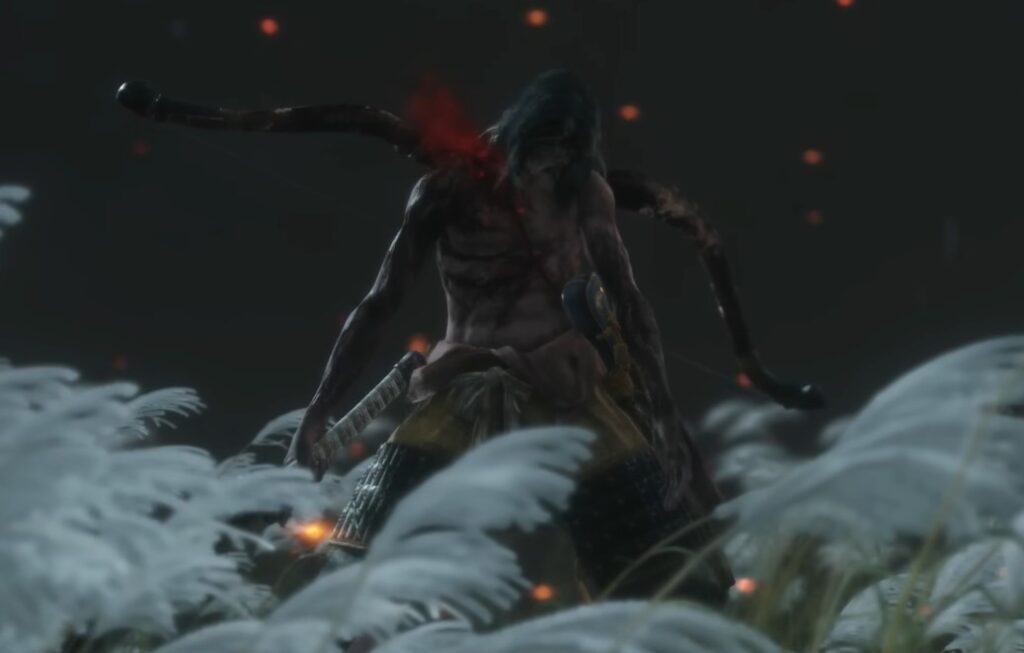
For official information on Sekiro: Shadows Die Twice, including its history, lore background, and available editions, visit the official Sekiro: Shadows Die Twice website.
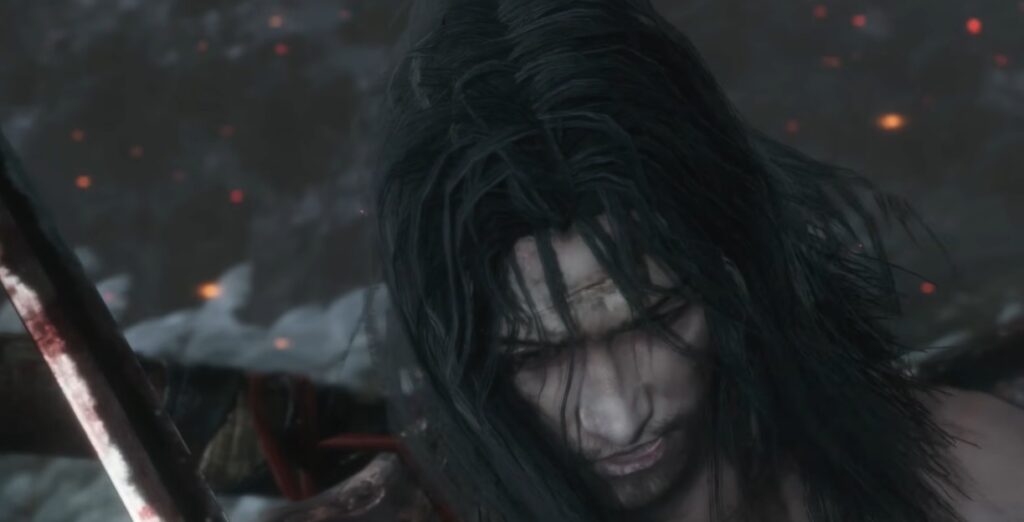
Why Isshin Feels Like Sekiro’s True Final Exam
As punishing as the fight is, Isshin embodies the core philosophy of Sekiro. This is a game about discipline over desperation, precision over brute force, and staying composed when everything is screaming at you to panic.
When Isshin finally falls, there’s no rush of glory. No dramatic fanfare. Just a deep exhale and a quiet sense of respect. You didn’t brute-force your way through him.
You proved you belonged there.
So, how melty is it?
False Confidence – 7.5/10
You enter the fight feeling prepared, only to realize how high the bar really is.
Spear Phase Reality Check – 9/10
Isshin’s second phase dismantles sloppy habits and punishes hesitation brutally.
Mental Fatigue Spiral – 9.5/10
Long attempts wear you down. Even perfect knowledge isn’t enough when nerves kick in.
Lightning Panic – 10/10
One missed input ends everything. The pressure is relentless.
Total Melt Score: 9.6/10
Isshin, the Sword Saint is one of the most demanding boss fights ever designed. He tests composure, patience, and resolve.
How Do You Beat Sword Saint Isshin?
To beat Sword Saint Isshin in Sekiro: Shadows Die Twice, mastery of the game’s core mechanics is essential. This fight heavily rewards perfect deflections, posture management, and aggression. Isshin has multiple phases, each introducing new weapon styles and attack patterns, so learning his tells is critical. Using Mikiri Counters against his thrust attacks and staying close to maintain posture pressure will shorten the fight significantly. Hesitation is defeat, consistent pressure is the key to victory.
Is Malenia or Isshin Harder?
Whether Malenia or Sword Saint Isshin is harder depends largely on the game mechanics. Malenia is often considered harder due to her ability to heal on hit and her devastating Waterfowl Dance, which punishes even small mistakes. Check out out blog on Elden Ring’s Malenia: The Brutal Boss Fight That Makes Gamers Rage Quit..
Isshin, on the other hand, is extremely demanding mechanically but fair, success depends almost entirely on player skill rather than build choices. For many players, Malenia feels more punishing, while Isshin feels more technically challenging.