Pac-Man – The Simplicity That Still Works
There’s something almost defiant about Pac-Man. In a medium obsessed with scale, spectacle, and endless systems, this game still stands on four ghosts, a maze, and a yellow circle that just wants to keep moving. No tutorials. No exposition. No upgrades. Just rules and pressure and I am all in.
I’ve played Pac-Man on more platforms than I can remember, and every time it reminds me how little it needs to be effective. It doesn’t explain itself because it doesn’t have to. You understand everything within seconds, and then spend the rest of the game realizing how unforgiving that understanding actually is.
A Maze That Teaches You Through Failure
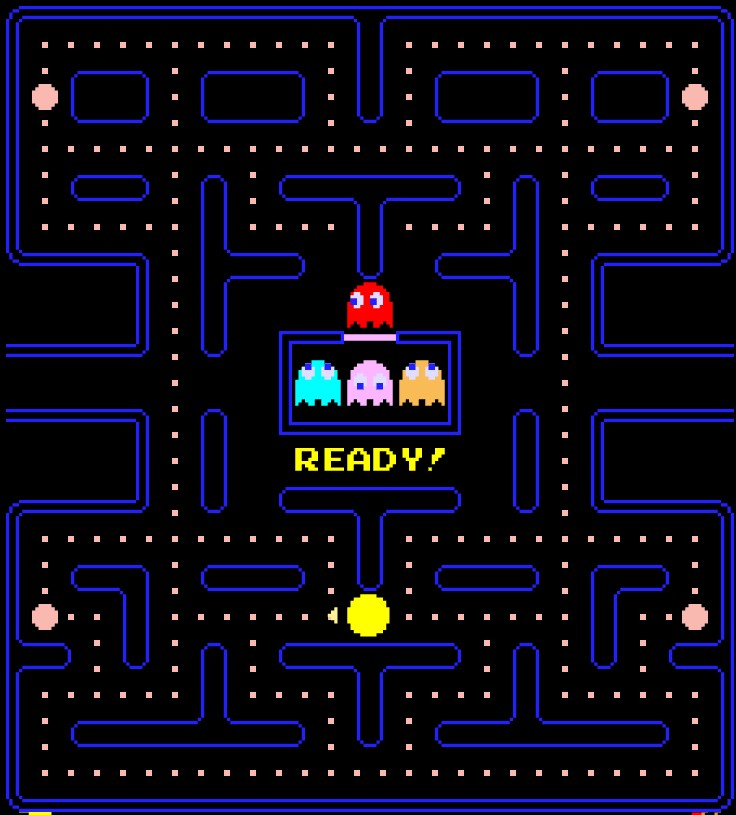
At first glance, the maze feels simple. Straight lines, predictable corners, pellets laid out like breadcrumbs. But Pac-Man is quietly teaching you from the first moment. Where you hesitate. Where you panic. How quickly greed turns into a mistake.
The ghosts aren’t random. Each one has a personality, even if the game never tells you that outright. Over time, you start to feel the difference between being chased and being trapped and that distinction is where the tension lives. There’s no hiding, no safe pause. Movement is survival.
Power Pellets and the Illusion of Control
The power pellets are the game’s only real mercy, and even they’re temporary. When you eat one, the tables turn, briefly. You feel strong, confident, almost reckless and then the timer runs out.
That shift is crucial. Pac-Man teaches restraint. Take too long, chase too hard, or misjudge the timing, and the power becomes a liability. The ghosts recover. The maze closes in again. It’s a perfect loop of pressure and release, repeated endlessly.
Difficulty Without Complexity
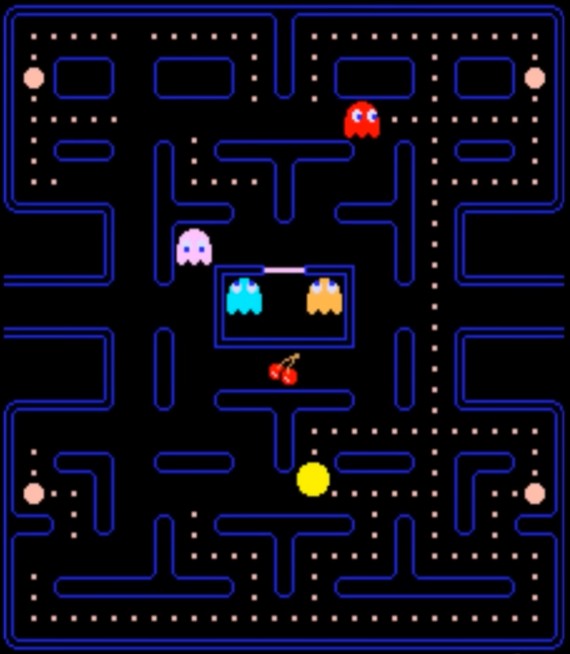
What makes Pac-Man endure is clarity. The game never adds new mechanics, but it asks more from you with every level. Speeds increase. Windows shrink. Your margin for error disappears.
There’s no way to grind your way past difficulty. You either improve, or you don’t. That honesty is refreshing, even decades later. The game respects your ability to learn, not your tolerance for systems.
Pac-Man Feels Almost Radical
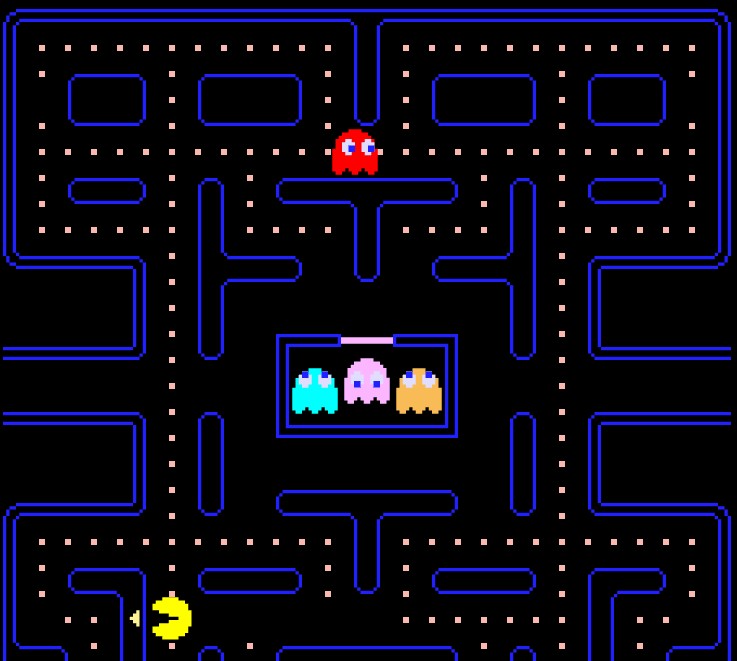
It doesn’t waste time. It doesn’t overstay its welcome. It doesn’t pretend to be deeper than it is and yet, it is deep in the way only well-designed systems can be.
It’s a reminder that tension doesn’t require realism, and mastery doesn’t require endless features. Sometimes, all you need is a maze, a few rules, and the willingness to fail until you don’t.
Pac-Man is nostalgic because it’s honest. Every loss is immediate. Every success is earned. There’s nothing to blame but yourself, and nothing to rely on but improvement. It’s a game you measure yourself against, and somehow, it still holds up.
Pac-Man and the Legacy of Arcade Classics
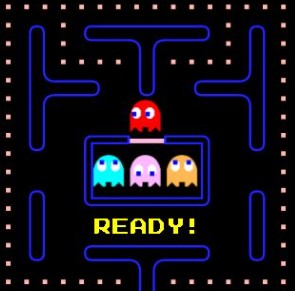
Pac-Man helped define what arcade games could be. At a time when most cabinets were focused on shooting or reflex-only challenges, Pac-Man introduced personality, strategy, and psychological pressure. It proved that a game didn’t need violence or realism to create tension, only rules that players could quickly understand and slowly master.
Its influence shows up everywhere. Modern roguelikes borrow its risk-reward loop. Competitive games echo its emphasis on pattern recognition and movement control. Even contemporary indie titles chase the same clarity: simple mechanics, escalating difficulty, and no padding.
What separates Pac-Man from many of its arcade peers is how well it translates beyond its era, it’s remembered because it’s still playable without caveats. The design doesn’t need updating, and the challenge doesn’t rely on nostalgia to feel fair.
In a landscape filled with sprawling systems and endless progression, Pac-Man stands as a reminder of arcade design at its purest, learn fast, fail often, and improve because the game demands it. not because it holds your hand.
If you want to learn more about this great game head over to the official Pac-man website. If Pac-man has not given you the retro fix you are looking for, then check out our blog on UFO 50: Retro Gaming’s Ultimate Time Capsule