Outlast: How Simple Mechanics Amplify Pure Terror
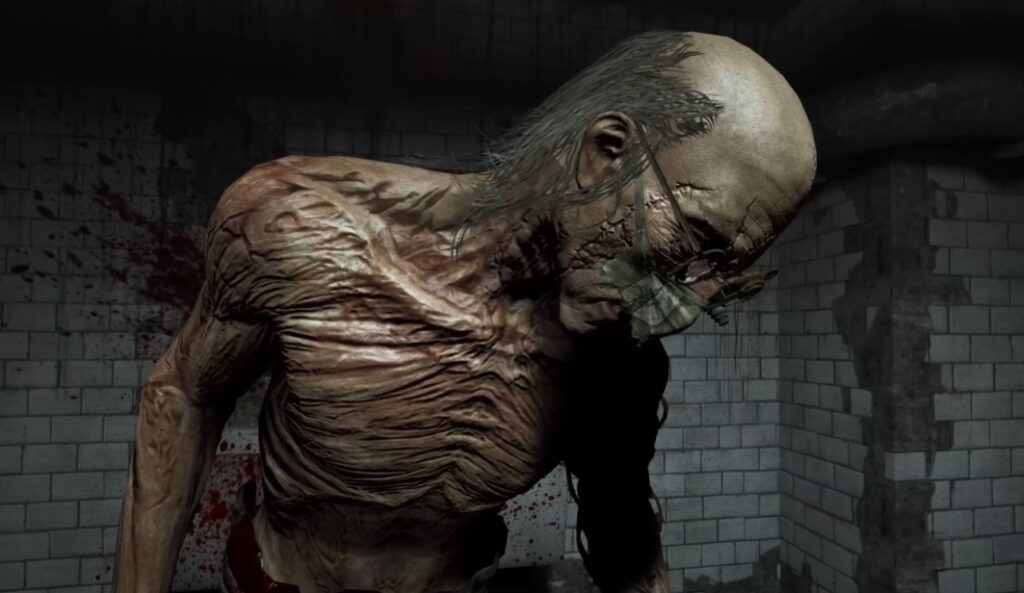
I remember pausing halfway through my escape from Mount Massive Asylum my palms were slick, my pulse pounding, and I could barely breathe. What made it terrifying wasn’t just the bloodstained halls or monstrous patients it was the fact that I couldn’t fight back.
In a world filled with horror games offering shotguns and flamethrowers, Outlast strips everything away. Armed with nothing but a camcorder, you become utterly powerless. And somehow, that’s what makes it unforgettable.
This Outlast review explores how minimalism, design tension, and pure atmosphere combine to create one of gaming’s most psychologically effective experiences.
A Simple Concept That Redefines Fear
At its core, Outlast is brutally simple. You are Miles Upshur, an investigative journalist who sneaks into a psychiatric hospital to uncover a dark secret. From the moment you step inside, the game never lets you feel safe again.
There are no weapons, no superpowers, and no escape until the truth is found. Your only tools are a camcorder with night vision and your own wits. This simplicity strips away distractions, forcing players to experience fear in its purest form vulnerability.
Every shadow feels alive. Every flicker of light could reveal something watching. The sound of your own footsteps becomes the loudest thing in the room.
That lack of control, combined with the tension of survival, makes every corner turn an act of courage.
The Power of the Camcorder
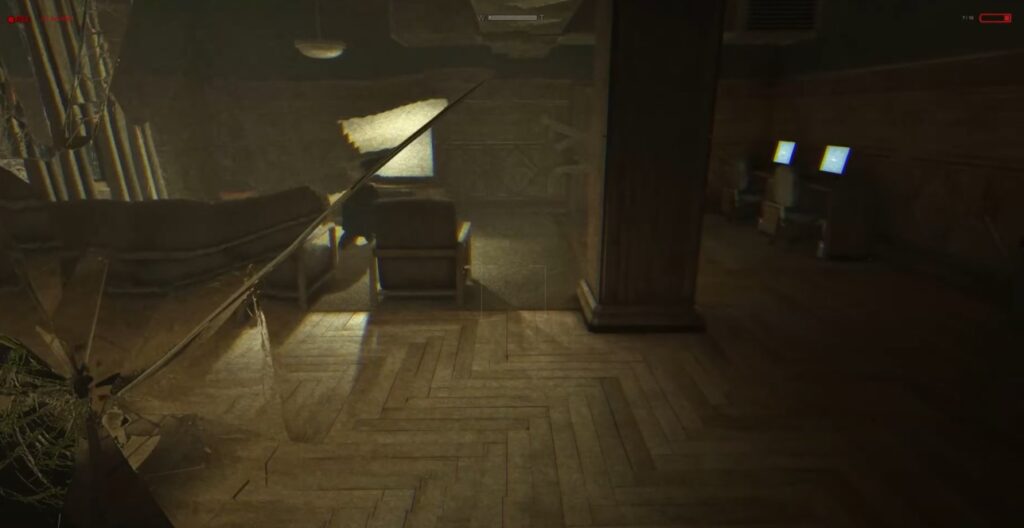
The camcorder mechanic is the beating heart of Outlast. Instead of empowering you, it becomes a constant reminder of your fragility. The night vision filter turns the screen into a grainy, green tinted nightmare, intensifying every detail of the asylum’s horror.
Battery management becomes a small but critical part of survival. Every decision whether to turn on the camera or risk moving in darkness adds pressure. You start to weigh safety against visibility, and that mental tug-of-war keeps the tension alive.
I’ll never forget crawling through the dark basement, battery light blinking red, hearing distant screams echo through the pipes. The camera flickered once, and for a second, I swore something was standing right behind me.
Moments like that define Outlast: pure, psychological torment built on restraint.
Sound Design In Outlast That Gets Under Your Skin
One of the most overlooked elements in Outlast is its sound design and it’s absolutely masterful.
Whispers drift through empty corridors. Distant screams fade just before you can place them. The clatter of metal grates or the wet drag of something unseen down the hall hits harder than any jump scare.
Developer Red Barrels understands that silence is just as important as sound. When the noise stops, your brain fills the void with dread. And when it comes back footsteps, doors slamming, heavy breathing you realize you’ve been holding your breath the whole time.
The audio is what truly manipulates your imagination. You don’t need to see the monster to fear it. You just need to hear it getting closer.
Fear Through Environment, Not Excess
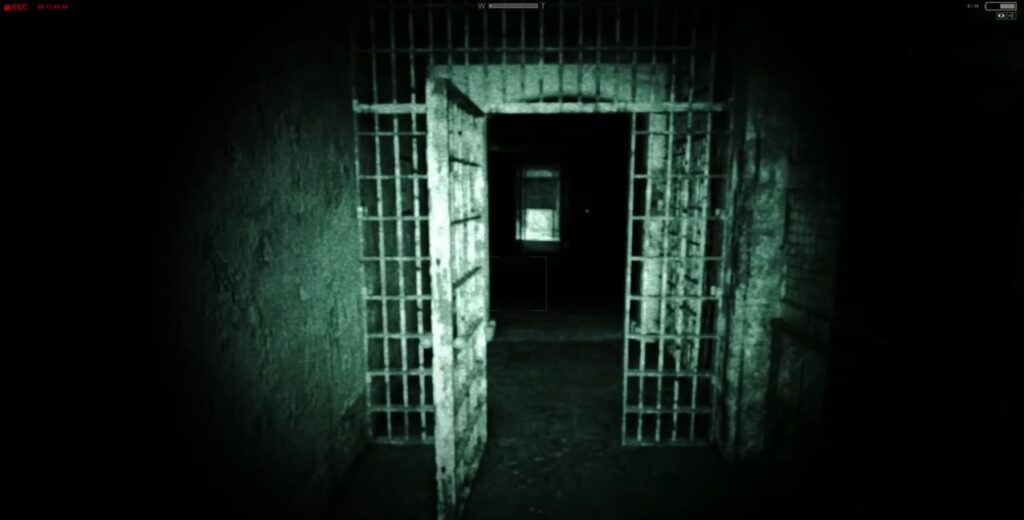
What makes Outlast stand out among horror titles is its environmental storytelling. Every corridor, blood trail, and flickering light tells you something about what happened without spelling it out.
Unlike many horror games that rely on exposition or constant enemy attacks, Outlast lets the asylum itself narrate the story. The player becomes both the observer and the victim, piecing together fragments of tragedy through notes, recordings, and dreadful visuals.
The simplicity of the setting is a decaying mental institution that makes it all feel disturbingly real. You’re not in a fantasy world; you’re in a place that could exist. That realism makes every encounter hit harder, every chase feel hopelessly authentic.
When Helplessness Becomes the Horror
The true genius of Outlast is its use of powerlessness as design.
In most games, fear fades once you master the mechanics. In Outlast, there is no mastery only endurance. Running and hiding are your only options. Each time you think you’ve escaped, the game finds new ways to corner you, both physically and emotionally.
This helplessness isn’t frustrating; it’s purposeful. It makes you think, plan, and breathe differently. You begin to understand that bravery isn’t charging forward it’s daring to move at all.
That emotional shift is rare in gaming. It’s why Outlast remains one of the purest horror experiences ever created.
An Understanding Of Human Psychology
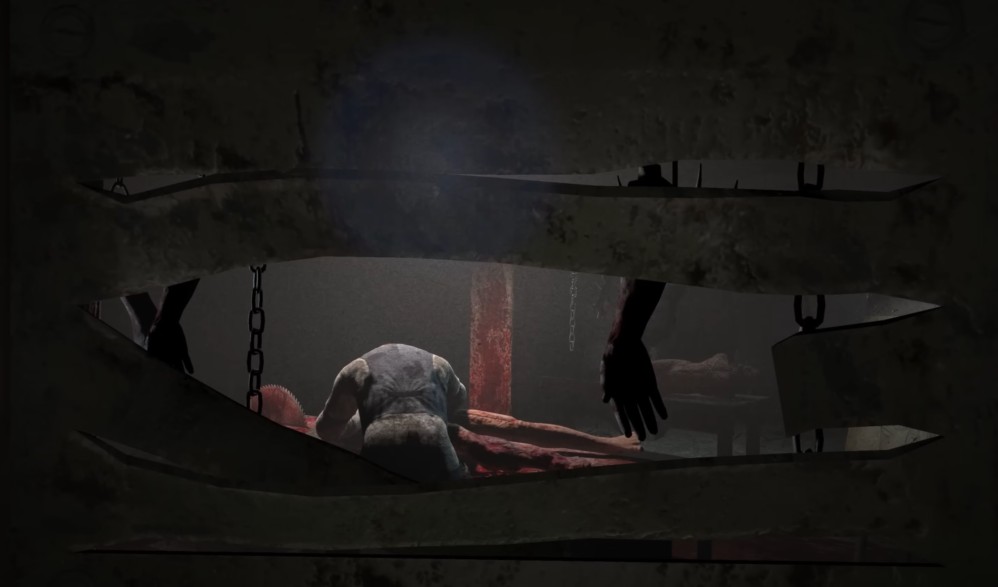
When Outlast launched in 2013, it redefined indie horror. It proved that fear didn’t need expensive effects or complex mechanics, just clarity of design and an understanding of human psychology.
Many modern horror titles, from Amnesia: Rebirth to Resident Evil 7, owe part of their DNA to Outlast’s stripped down, first-person terror. It showed that immersion and tension could outperform traditional combat systems when executed with purpose.
Even years later, replaying Outlast still feels fresh. The unpredictability, the pacing, and the way it manipulates light and sound keep it timeless. It’s horror through subtraction what you don’t see matters most.
Outlast remains one of the most haunting games ever made because it understands something most modern horror forgets fear isn’t about what you can see, it’s about what you can’t control.
By limiting the player’s power, focusing on sound, and letting the environment tell its story, Outlast creates an experience that burrows under your skin and stays there long after you’ve turned off the screen.
Whether you’re a seasoned horror fan or someone chasing that adrenaline rush of true dread, this is one descent into darkness you’ll never forget.