Little Rocket Lab - Tiny Rockets, Big Feelings
Little Rocket Lab arrives like a cup of tea in a factory town, gentle, clever and absolutely determined to make you care about conveyor belts. Developed by Teenage Astronauts and published by No More Robots, it launched in October 2025 and is available on Steam and Game Pass. You fix up your childhood town, build machines that do the thinking for you, and finish your family’s rocket. If that sounds wholesome, it is, until it isn’t.

Little Rocket Lab is Cosy, Clever, and Calmly Addictive
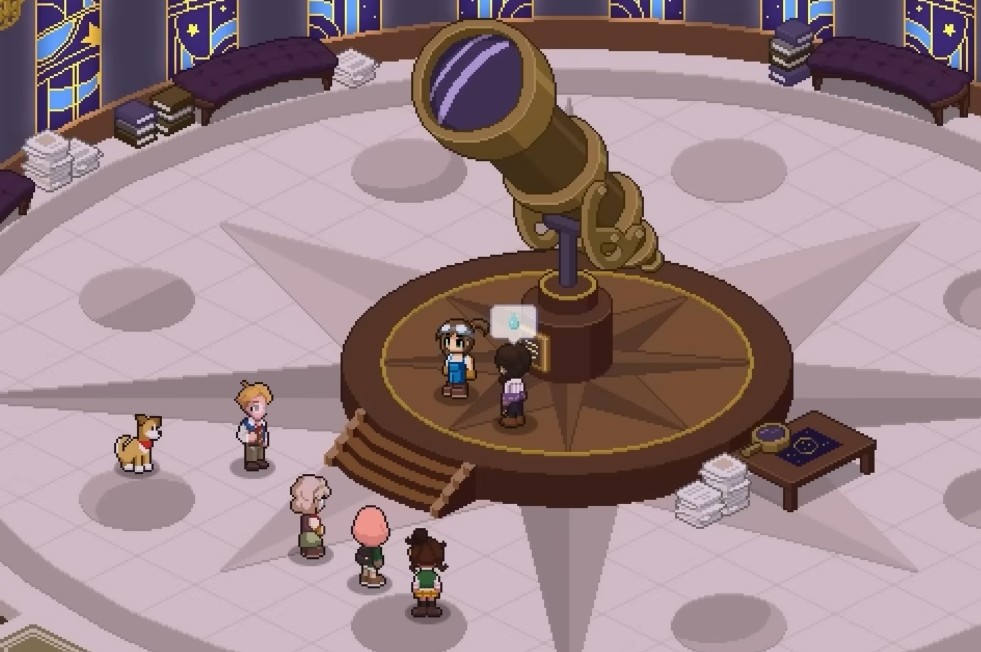
The tone is what sells it first. Little Rocket Lab feels soft without being shallow. The isometric pixel art is clean and readable, and the soundtrack leans into that “quiet problem solving” energy that makes hours disappear without warning.
Instead of throwing systems at you all at once, the game trusts you to learn through tinkering. That slow onboarding makes the early hours feel meditative, like solving tiny mechanical puzzles with no pressure to be perfect.

Gameplay Feels Satisfying but with a Few Rough Gears
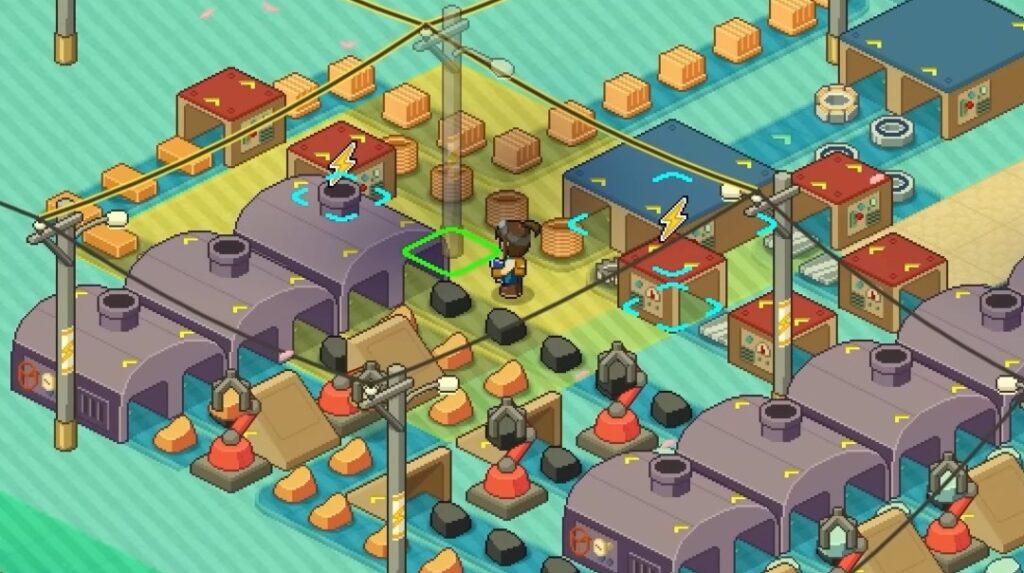
At its best, the loop is quietly brilliant. Mine resources, build machines, route power, and slowly evolve messy setups into elegant little factories. When everything clicks, it feels like watching a living machine breathe.
There’s also actual heart behind the systems. The town matters. The people feel like more than decoration. Side quests give reason to the automation, so you aren’t just making parts for the sake of production.
That said, the UI sometimes fights back. Belt placement can be awkward and item selection can feel too precise. When the game wants you to think big, the small controls should disappear, but sometimes they don’t.
Where the Little Rocket Lab Friction Creeps In
The interface is tight. Menus ask for more steps than they should and targeting specific parts can take extra fiddling. I also found that Inventory management rarely feels smooth.
When a game is about efficiency, the UI becomes more than just a wrapper. It becomes part of the experience. Every tiny delay adds up, and in longer sessions, that friction becomes noticeable.

Little Rocket Lab is Warm, Creative, Slightly Chaotic
One of the nicest surprises is the player community. Online discussions are full of layout screenshots, optimisation tips, and oddly beautiful conveyor designs. People are clearly proud of their little factories, and that energy is infectious.
What Works
- The automation loop feels intuitive and genuinely satisfying and the cosy tone never feels fake or forced
- Visuals stay readable even when systems get dense
- Progression feels meaningful because it ties back to the town and story
What Holds It Back
- UI friction shows up too often during complex builds
- Certain menus feel overdesigned for how often they’re used
- Some late-game systems could be explained more clearly
How long does it take to beat Little Rocket Lab?
From my own time with it, a full playthrough sits somewhere around 25 to 35 hours. That’s if you mainly follow the main line and don’t obsess over perfect layouts. If you like tinkering, rebuilding systems, and chasing side tasks the way I did, it easily stretches past 30–40 hours without feeling padded.
Where can I play Little Rocket Lab?
I played it on PC, and it’s also available on Xbox consoles. It runs smoothly on both and feels like the kind of game that fits naturally on Game Pass-style play sessions since it’s easy to dip in and out of.
Is there any combat in Little Rocket Lab?
There’s no traditional combat. The tension comes from problem-solving and system design instead. It’s more about figuring out how to make your machines work efficiently than fighting enemies. The challenge comes from logic and planning, not reflexes.

Little Rocket Lab tries to stay with you. It builds a slow-burning relationship between the player and the machine, between efficiency and emotion, and between progress and place.
It isn’t perfect and I found the interface trips over itself just enough to be noticeable. But the heart of it is strong, warm, and hard to shake.
I finished it feeling calmer than when I started, and still thinking about how I could rebuild things better.
Why not have a read of our blog on UFO 50: Retro Gaming’s Ultimate Time Capsule where you can find a bunch of retro games that will really take you back in time.
If you would like to know more then head over to the official rocket lab website