Layers of Fear: The Haunting Maze of the Mind
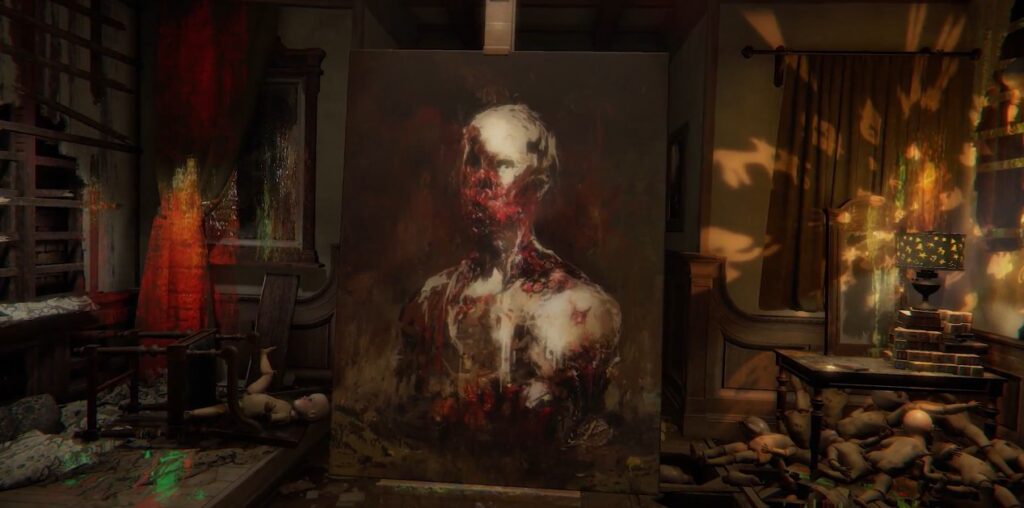
As someone who’s always loved atmospheric stories, Layers of Fear was a completely different kind of experience for me. I wasn’t just scared, I felt unsettled in a way few horror games have ever managed. There were no monsters to outrun, no weapons to clutch. Just me, a decaying mansion, and the overwhelming sense that I was walking through someone else’s un ravelling mind.
This game doesn’t rely on cheap jump scares. Instead, it gets under your skin with every creaking floorboard and flickering candle. The fear is quiet but suffocating, like a memory you wish you could forget but can’t stop replaying.
Layers of Fear challenges how we define horror. It’s not just about surviving the unknown, it’s about confronting the chaos inside our own thoughts.
A Story Told in Strokes and Shadows
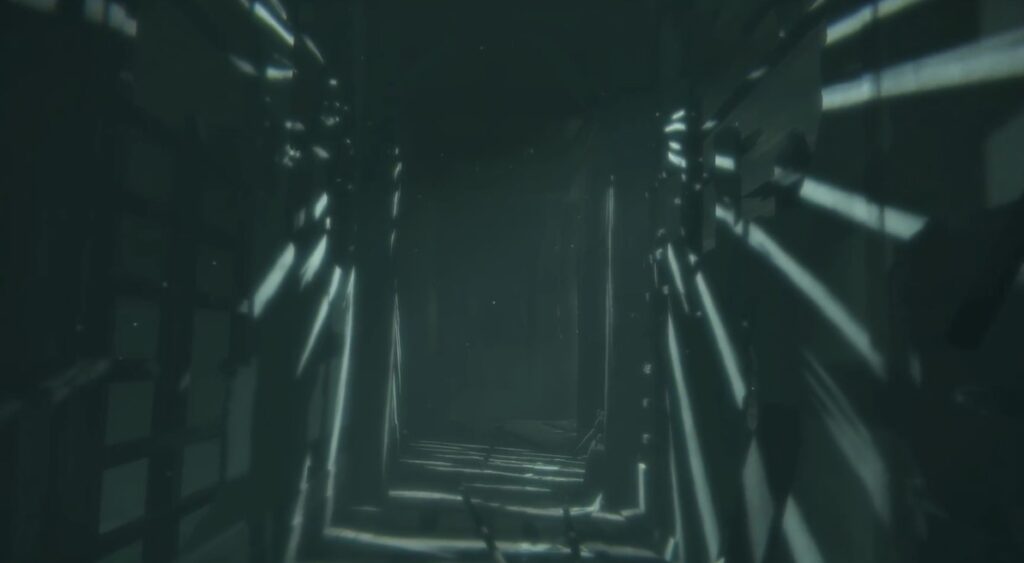
What struck me most about Layers of Fear was how deeply its storytelling is woven into the environment. You don’t watch the story unfold, you walk through it. Every paint smeared canvas and letter tucked into a drawer tells a piece of a tragic story about an artist consumed by obsession.
Rooms twist, melt, and rearrange themselves as if the mansion itself is alive, reflecting the painter’s descent into madness. There’s a constant tension between beauty and decay that every masterpiece hides a memory, and every hallway hides a truth you might not want to find.
As a woman who loves narrative driven games, I felt connected to the emotional weight of it all. It’s not just about fear, it’s about grief, guilt, and how passion can quietly destroy the people we love.
If you enjoy games that explore storytelling through emotion and environment, I’d recommend reading Silent Hill 2: The Psychology of Fear in Gaming. Both games show how horror can be deeply human not just terrifying, but moving.
When Atmosphere Becomes the Monster
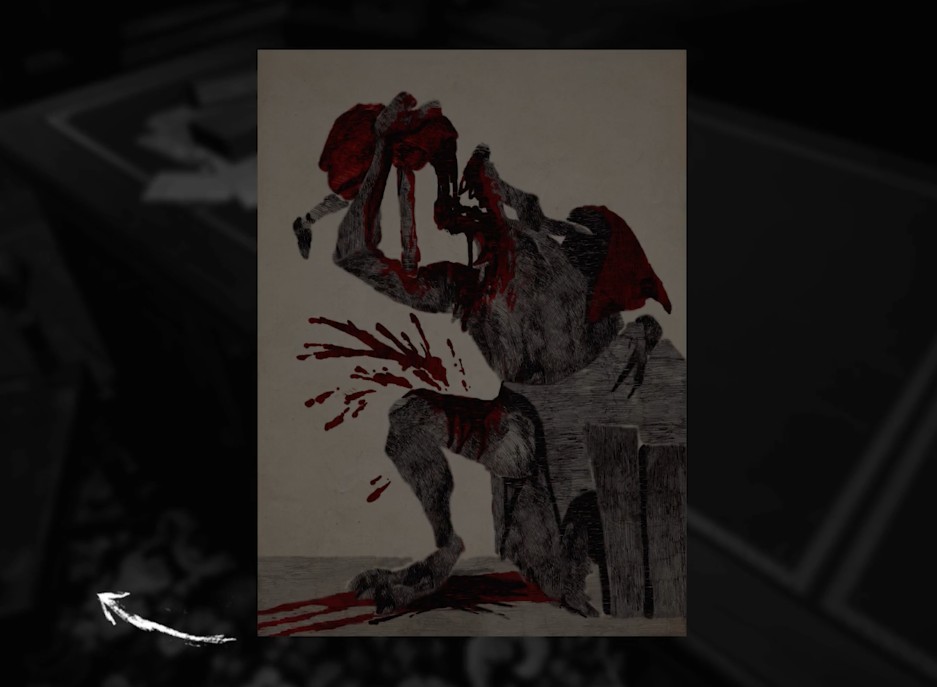
One of the reasons Layers of Fear works so well is how it uses space and sound. The mansion feels like it’s always watching you. Sometimes a door you just walked through disappears. Other times, the paintings seem to follow your gaze.
Every sound is a brush scraping canvas, a distant sob, a faint piano note that builds tension so naturally that you start anticipating fear even when nothing happens. That’s the genius of its design.
I remember one moment when I turned around to find the room I’d just left completely changed. It wasn’t a jump scare, it was worse. It made me question whether I could trust what I was seeing, or if the house was rewriting reality behind my back.
That constant sense of unease turns exploration into an emotional experience. I wasn’t trying to “beat” the game, I was trying to understand it.
A Game That Understands the Player’s Mind
What sets Layers of Fear apart is how it manipulates perception. It’s not interested in whether you’re brave, it wants to know how much you need to know.
Unlike traditional horror games, there are no enemies chasing you, no puzzles forcing you to fight or flee. The fear comes from curiosity itself. You move forward because you have to, even when every part of you wants to turn back.
That feeling resonated with me more than I expected. It reminded me of the moments in life where you face something uncomfortable because you know you can’t avoid it forever. It’s not about survival, it’s about discovery, even when it hurts.
The Art of Fear and Reflection
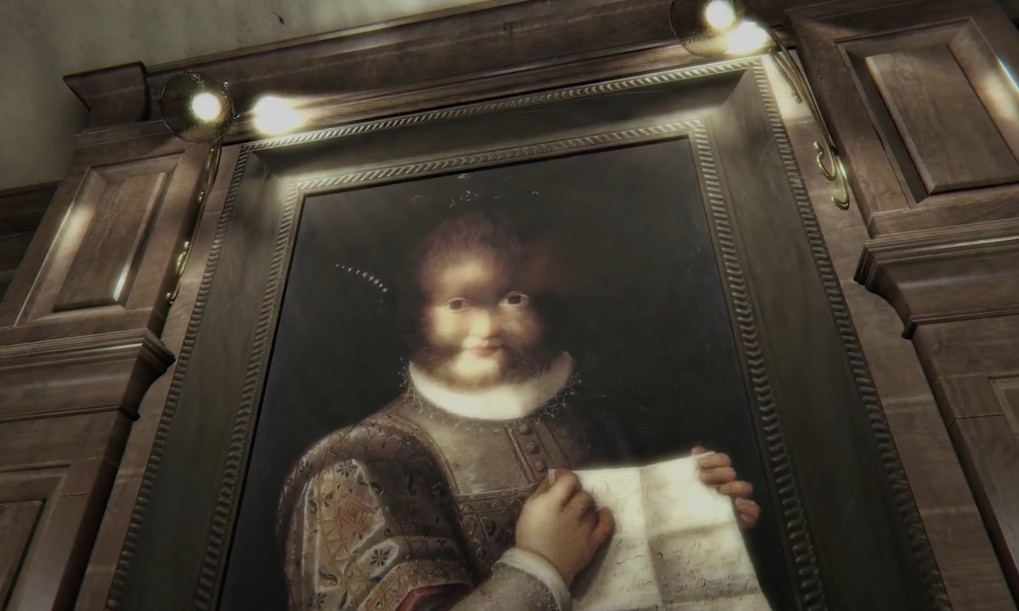
By the time I reached the end of Layers of Fear, I wasn’t thinking about jump scares or puzzles. I was thinking about obsession and how art and pain can blur together, how ambition can twist into madness.
The final painting, the culmination of everything you’ve seen, is a masterpiece that feels both triumphant and tragic. It left me questioning what it means to create something beautiful when the cost is your own sanity.
That’s what makes this game unforgettable. It doesn’t just make you afraid of what’s around the corner, it makes you afraid of what’s inside you.
If you want to learn more about how Layers of Fear was created, visit the official Layers of Fear page on Bloober Team’s website. The developers share insights about their creative process and the evolution of the franchise’s haunting storytelling.
Layers Of Fear Isn’t Just A Horror Game
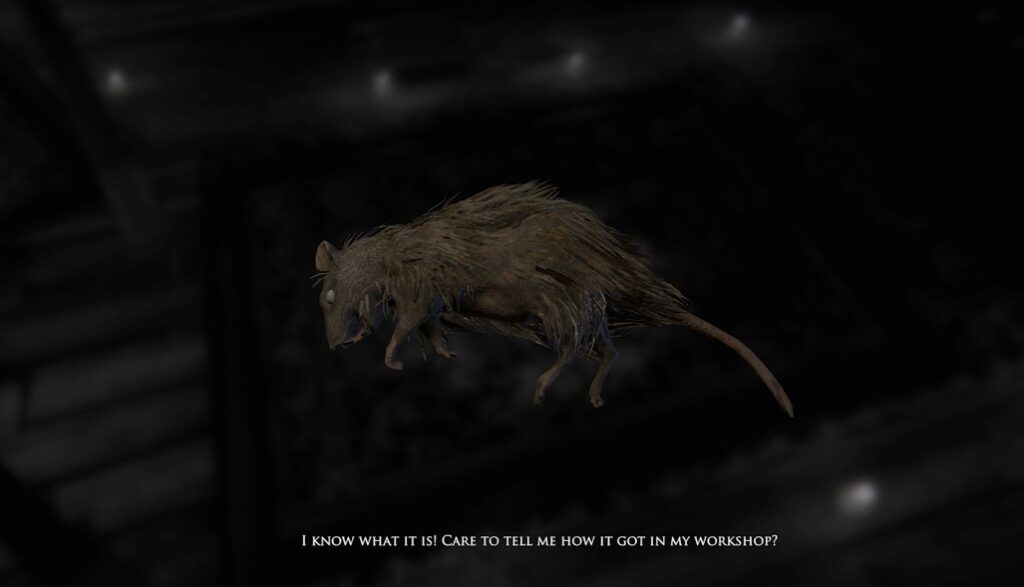
Layers of Fear is an experience that lingers. It proves that fear doesn’t have to scream to be powerful, it can whisper, echo, and reflect.
For me, it was a reminder that horror can be beautiful. The most terrifying moments weren’t when I was running from something, they were when I was standing still, staring at a portrait that seemed to stare back.
It’s rare to find a game that makes you feel something deeper than fear, but Layers of Fear does exactly that. It’s haunting, emotional, and thought provoking which I think is a true masterpiece of psychological storytelling.