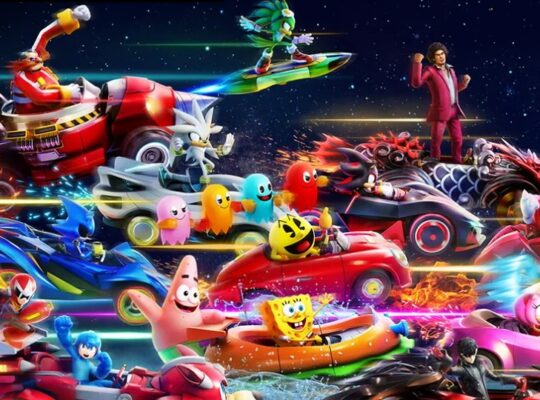
Hot Wheels Let’s Race: Ultimate Speed – When Boost Turns Into Burnout
I went into Hot Wheels Let’s Race: Ultimate Speed expecting pure arcade chaos, something to bring back to my younger days. Bright orange tracks suspended in impossible spaces, exaggerated loops, boost pads everywhere, and cars that feel more like toys than machines. I wasn’t looking for realism, I just wanted speed, spectacle, and that reckless momentum you can only get from a Hot Wheels track that defies physics.
For the first few hours, that fantasy absolutely delivers.
The tracks are creative and vertical, constantly twisting through oversized environments. Boost chains feel satisfying, drifts spark aggressively, and mid-air sections create real tension. When everything aligns, the game captures that childhood feeling of launching a car down a plastic track and hoping it survives the landing.
But the longer I played, the more I noticed that speed alone can’t c
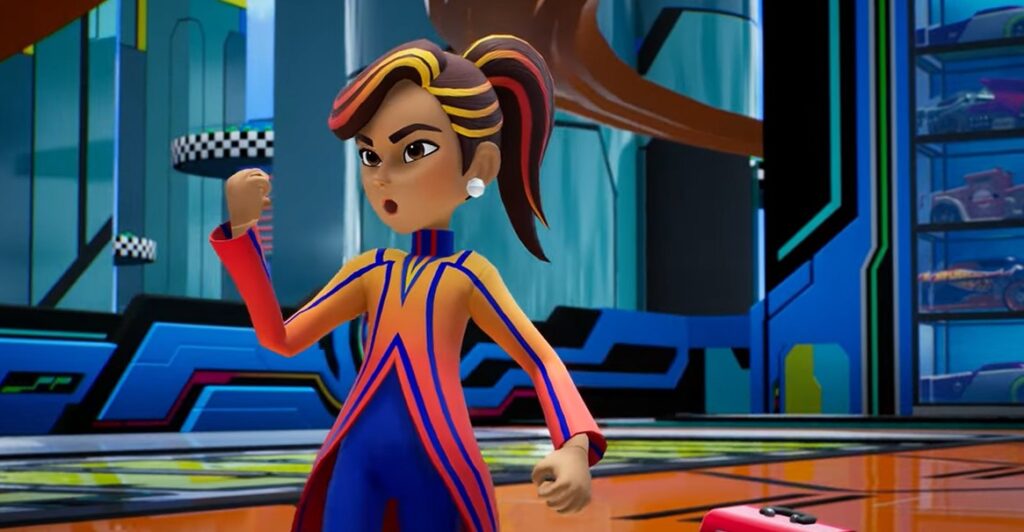
When Speed Starts Working Against You
The first cracks appeared during tighter technical sections. At high speeds, steering inputs can feel overly sensitive, especially when boost is active. What begins as a clean drift can quickly turn into an overcorrection that sends you off the track. In a game built around momentum, losing flow feels punishing.
The drifting system is fun when you find its rhythm, but it takes time to understand where it holds and where it breaks. On narrow bends or sudden track transitions, the margin for error shrinks dramatically. One slight misjudgment and you’re resetting, watching the pack disappear ahead.
The game encourages aggression. It celebrates boost stacking and risky lines. But it doesn’t always reward precision in the way you expect.
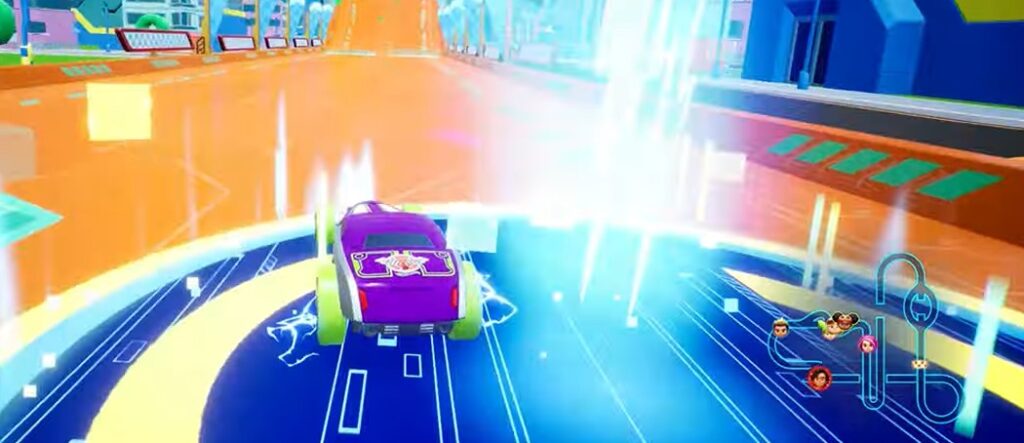
Frustrations I Experienced and what I did
After a few frustrating restarts, I started digging into community discussions. The same patterns kept surfacing, and it was reassuring to know I wasn’t just imagining things.
Handling Feels Loose at Top Speed
Once boosts start stacking, cars can feel floaty rather than grounded. The sense of grip fades, especially during high-speed cornering.
What helped me was learning to stop holding boost through technical sections. Short bursts maintain speed without sacrificing control. Feathering acceleration, rather than committing fully, dramatically improved my consistency.
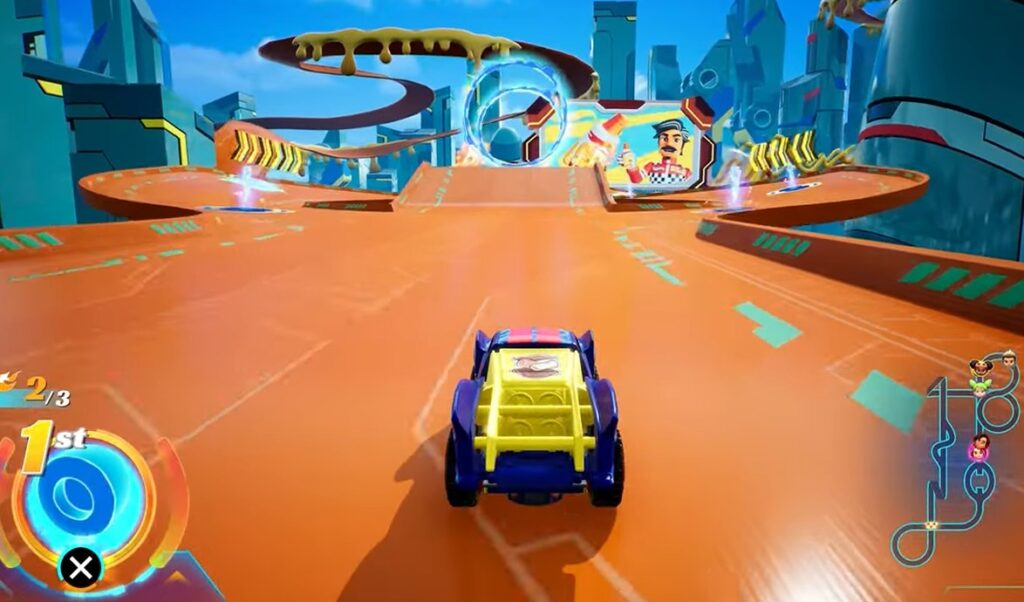
AI Rubberbanding Feels Aggressive
There were races where the competition either surged ahead unfairly or conveniently slowed during the final lap. It sometimes created the impression that race positions were being artificially compressed.
I found that focusing on clean, mistake-free laps mattered more than early dominance. The field tends to tighten near the end, so maintaining composure and avoiding resets usually pays off more than pushing for a massive early lead.
Track Visibility and Layout Surprises
Some track segments blend into their environments, particularly during vertical drops or sharp transitions. At extreme speeds, it can be difficult to read upcoming turns.
Lowering camera sensitivity and learning track layouts through replay made a noticeable difference. Once you memorize where major turns and hazards sit, the chaos feels more intentional and less unfair.
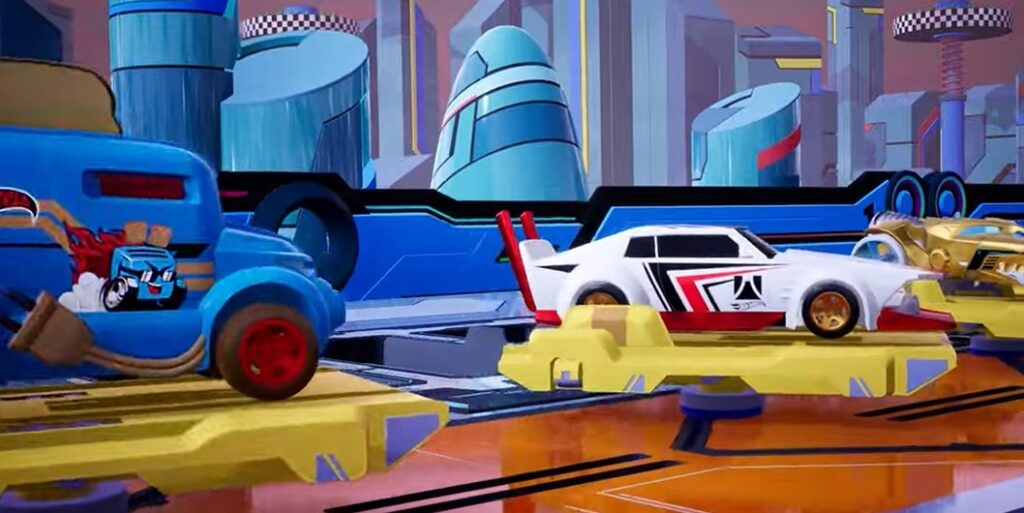
Customisation and Progression
Customisation is one of the stronger elements here. Unlocking cars and experimenting with different stat profiles adds replay value, and some vehicles genuinely handle better than others depending on track type.
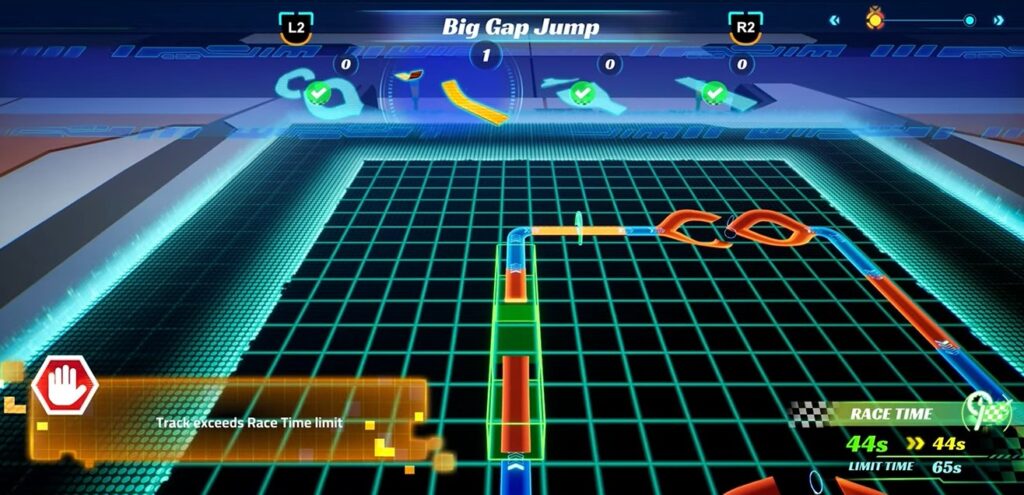
However, progression can feel slightly grind-heavy if you’re aiming for specific unlocks. It’s not excessive, but it’s noticeable if you’re chasing a particular build. The upside is that skill plays a bigger role than raw stats once you understand the mechanics.
So, how melty is it?
First Impression Speed Rush – 9/10
The spectacle and arcade energy hit immediately.
Handling Learning Curve – 8/10
Fun once mastered, but initially slippery and punishing.
AI Frustration Moments – 7.5/10
Rubberbanding can undermine confidence in fair competition.
Track Creativity – 9/10
Verticality and layout variety keep races visually exciting.
Long-Term Consistency – 8.2/10
Once you adapt to the handling, the game settles into a satisfying loop.
Total Melt Score: 8.4/10
Hot Wheels: Let’s Race Ultimate Speed succeeds when you embrace its chaos rather than fight it. It isn’t a precision simulator, and it doesn’t pretend to be. The game thrives on spectacle, fast recoveries, and dramatic finishes.
But there’s a learning curve beneath the neon surface. If you approach it expecting effortless control at maximum boost, frustration will follow. If you treat it like a high-speed rhythm game where timing and restraint matter just as much as aggression, it becomes far more rewarding.
It didn’t break me, but it came close during a few back-to-back resets. Once I adjusted my mindset and driving style, though, the chaos started feeling intentional instead of random.
And that’s when the fun returned.
If you enjoyed this read, check out our blog on Gran Turismo 7: The Science of Speed and Simulation.
You can pick up the game on switch from the Nintendo store Hot Wheels Let’s race