Dragon Age: The Veilguard – Dark Choices and Consequences
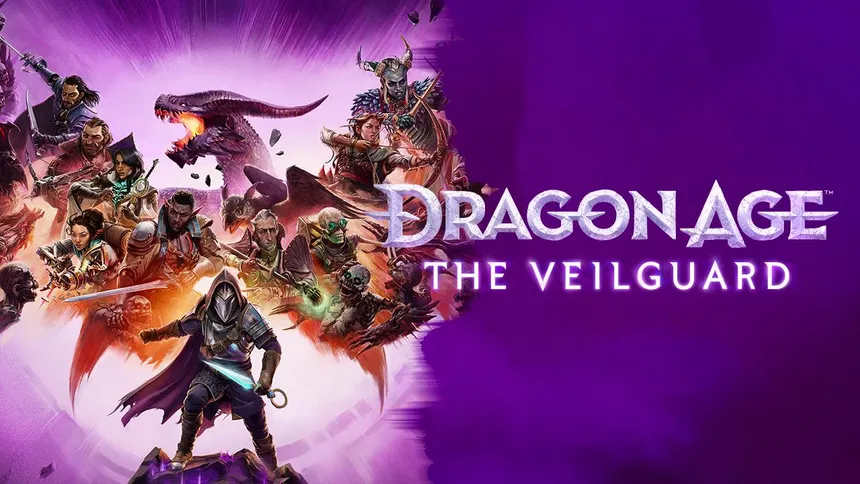
Dragon Age the veilguard marks the next chapter in Thedas, bringing with it bold narrative ambition and a new direction for the franchise. I entered The Veilguard with both excitement and cautious hope. I know most people online are saying how poor this game was or that it wasn’t what they expected but we are going in with fresh eyes and will look through its strengths, missteps, and whether its darker choices and deeper consequences live up to the promise of shaping the world and your very identity (enter evil laugh).
The World of Dragon Age The Veilguard And Its Stakes
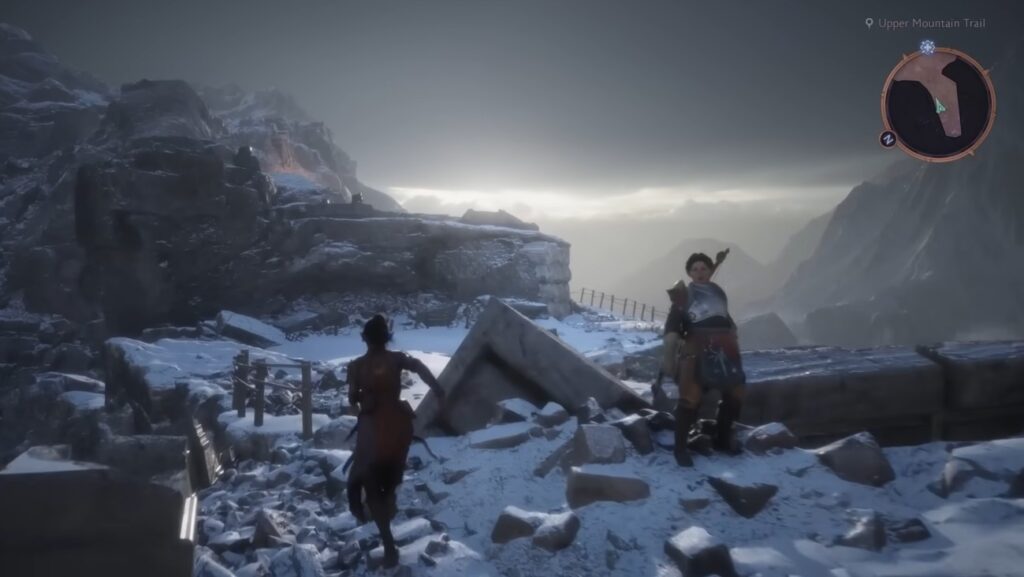
The Veilguard begins ten years after the events of Inquisition, with fragmented nations, fractures in magic, and the return of corrupt elven gods threatening to undo the Veil which is the boundary between the physical and spiritual realms. As Rook and no not the chess piece, this is a customizable hero from one of six factions, you will rally companions, explore vibrant landscapes, and confront gods who believe they know better than mortals.
The game invites you to make tough decisions early on with some affecting the fates of your allies and their homelands. These branching consequences reinforce the idea that no path is safe, and every choice carries weight.
Action Combat vs Tactical Roots
One of the most talked about changes in The Veilguard is its shift toward more action oriented combat. Gone is the pause and play tactical mode, instead, battles flow with real-time movement, dodges, parries, and spells. This change has polarized long time fans.
Some gamers appreciate the fluidity and cinematic energy of engagements. Others miss the deeper strategic layering of older Dragon Age titles. Especially for mage classes, the handling feels less precise, and repeated encounters tend to loop through familiar patterns.
Switching to rogue or warrior roles often makes combat feel sharper and more responsive. Parry timing, chaining combos, and exploiting enemy weaknesses offer moments where the action clicks. Still, repetitive combat in some dungeons and overlapping enemy waves can dull the edge of tactical excitement.
Here is a great video from Ziggy D gaming showing the combat and build mechanics which I have used on my own playthrough
Companion Bonds and Emotional Threads
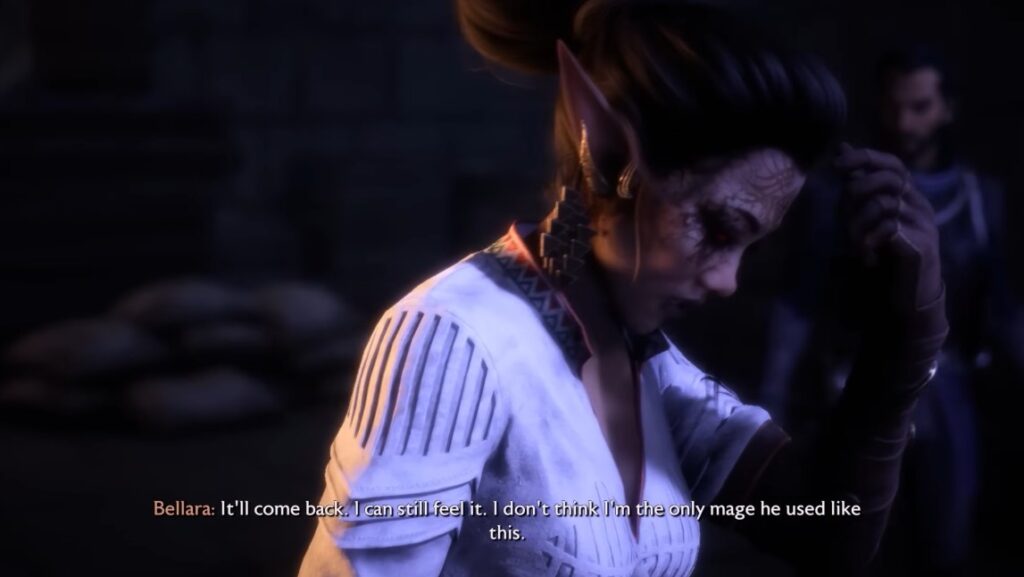
Dragon Age The Veilguard shines when it leans into its cast. Your companions are not mere sidekicks, they bring stories, conflicts, and moral complexity to the forefront. Their loyalties, secrets, and the weight of your decisions can fracture bonds or strengthen them in meaningful ways.
In one early moment, a decision you make for a companion’s homeland ripples through their personal questline. Later, you may revisit that choice in a way that even reshapes your own home’s fate. These intertwining narrative threads make your journey feel deeply personal even when dealing with gods.
The emotional honesty of those interactions stands out, especially when characters challenge your motivations or force you to reconsider what kind of leader you want to be. This was sometimes a really hard choice for me as at times I wanted to go against my own judgment to see how it would unfold later down the line.
Choices That Echo Through Acts
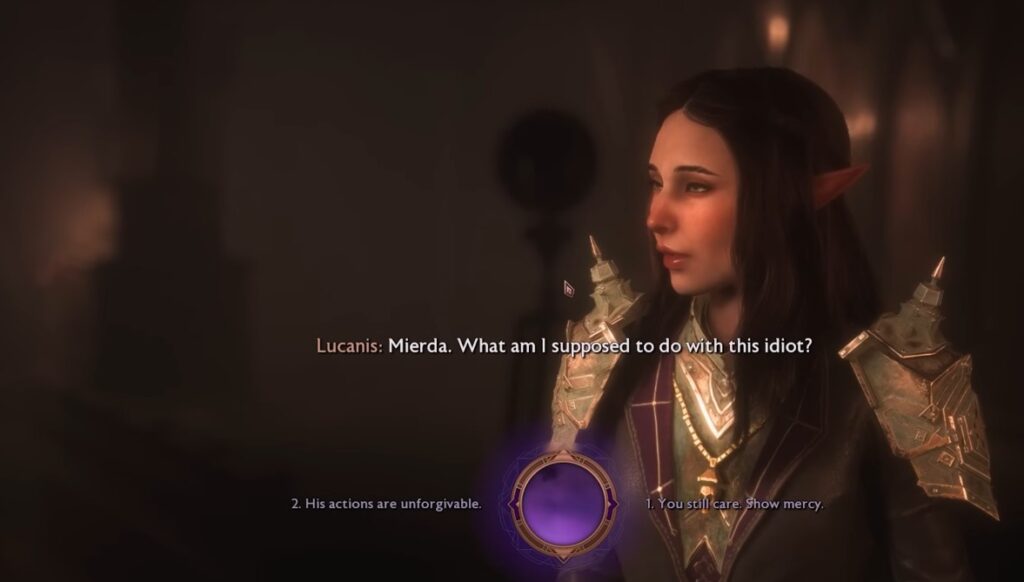
For me it was very tempting to see branching dialogue as window dressing, but on Dragon Age The Veilguard I found that it often ensures your choices carry impact and sometimes in surprising places. Some early decisions can lock or unlock entire companion quest arcs in the second act. Others influence which regions remain habitable, who survives, or who turns against you.
Even when not every outcome feels fully realised, these branching possibilities encourage reflection mid playthrough. When a decision shows up again in a different light, it reminds you that Thedas is not static and neither should your path be.
That said, some critics note inconsistencies in how much weight choices actually carry, and occasional reliance on narrative constraints can deflate the tension.
Where Dragon Age The Veilguard Stumbles
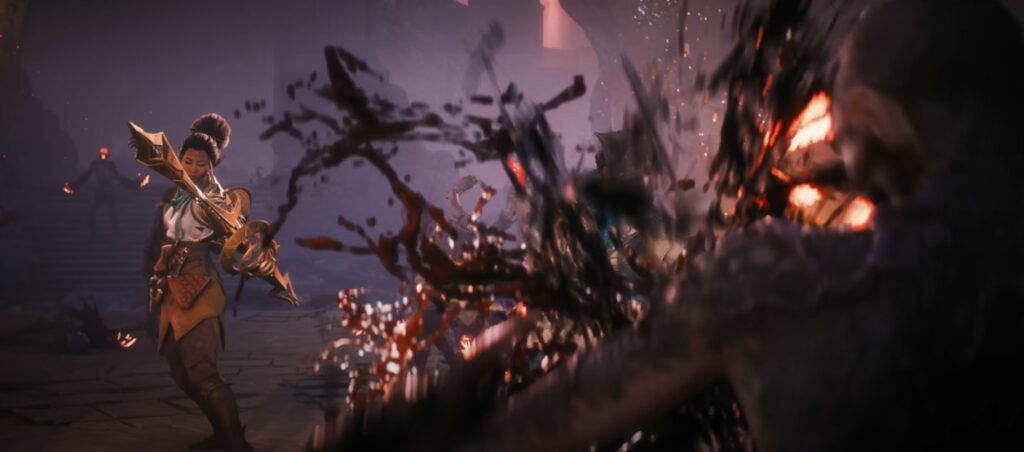
- Combat can feel repetitive in certain dungeons or with certain classes.
- Some choices that seem major have limited long term impact.
- Mage classes often feel less precise compared to warrior or rogue roles.
- Narrative pacing occasionally drags, especially between major plot points.
- For fans of older tactical Dragon Age, the shift in combat may feel like a loss.
Yet, many of these issues are offset by strong storytelling, satisfying character arcs, and moments that bring you back to what makes Dragon Age meaningful, its world and the people who inhabit it.
Lasting Impressions
Dragon Age The Veilguard dares to make bold bets on deeper narrative weight, action reimagined, and the idea that consequences should sting. It may not satisfy every lgamer out there, but it succeeds often enough that its ambition feels earned.
If you’re craving an RPG that asks you not only to save the world but to live with the fallout, The Veilguard is a worthy successor. Its dark choices, layered characters, and the fragility of alliances remind us that in Thedas, no path is assured and your legacy will be forged in the choices you make.
Gameplay (35%)
Narrative & Presentation (40%)