Baldur’s Gate 3 an RPG’s Daydream
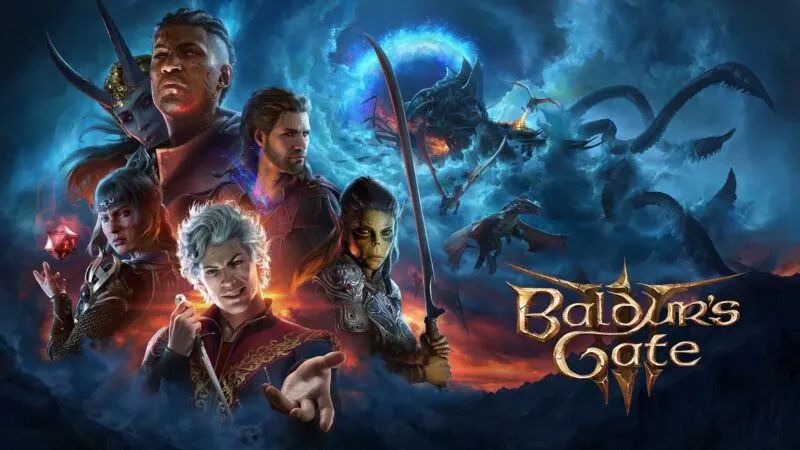
Two years on and this game still pulls me back in.
When I first booted up Baldur’s Gate 3 I expected a strong RPG, but not the handful of nights where I’d lose track of time because one conversation took an unexpected twist. This post is a personal look at why BG3 keeps giving me new stories: a mix of mechanics, moments, and the kind of roleplaying that makes dice feel alive.
Gameplay and Mechanics: why the numbers matter
Character creation and first impressions
My first hour was consumed by character creation. I tinkered with Ability Scores for longer than I’ll admit — juggling Strength for a frontline bruiser, Dexterity for the skirmisher I pictured, and Charisma for the one time I thought I might talk my way through an entire dungeon. Those early choices weren’t cosmetic: they shaped how NPCs reacted, what skill checks I could attempt, and which moments in the narrative opened or closed. Even now, when I try a new build, rearranging those Ability Scores gives me a different itch to play.
Latest Baldur’s Gate 3 Patch Notes: What You Need to Know
Even though Baldur’s Gate 3’s major content updates concluded with Patch 8 in April 2025, Larian Studios surprised players with a minor patch in March 2026. This update, version 4.1.1.x, focuses primarily on stability and bug fixes, including the resolution of corrupted save files that affected players in late-game sections or Honor Mode. While no new gameplay features or systems were added, these fixes are critical for maintaining a smooth and uninterrupted gaming experience.
Patch 8, the last major content update, remains a milestone for BG3. It introduced cross-play across PC, PS5, Xbox, and Mac, a fully featured Photo Mode, and 12 new subclasses, giving players additional ways to customize characters and capture memorable moments. Together, the major and minor updates demonstrate Larian’s commitment to keeping Baldur’s Gate 3 polished and playable even after the bulk of development has wrapped.
Whether you’re deep into the main campaign or exploring every side quest, keeping your game updated ensures the smoothest experience and prevents frustrating crashes or lost progress.
Turn-Based Combat: tactical, cinematic, satisfying
The Turn-Based Combat system is where BG3 rewards patience and creativity. I vividly remember a fight where my party used elevation, fire spells, and a well-timed shove to turn an ambush into a cinematic massacre. Setting up Advantage / Disadvantage through environmental tricks and positioning became one of my favourite mini-puzzles — nothing beats the thrill of seeing a previously impossible roll turn into a guaranteed hit because the dice finally favored you.
Combat made me appreciate the little mechanical things again. Armor Class (AC) mattered in a way that felt fair: tiny changes to AC altered how often my frontliner got tagged, changing my whole approach. And when the stars aligned and a planned combo produced a Critical Hit, it suddenly felt like the story had its own punctuation mark — dramatic, often hilarious, occasionally heartbreaking.
Spells, cantrips, and small delights
I learned to love the small spells. A single Cantrip used at the right time could break an enemy’s plan or set up a chain reaction that wiped the floor with a tougher encounter. The joy of discovering that my low-level spell could turn an entire encounter on its head is one of those tiny pleasures BG3 gives you again and again.
Story, Characters, and the weight of choice
A narrative that hits close to home
The core story hook — being infected by parasitic tadpoles — led to some of the best roleplaying I’ve done in a video game. That premise sounds silly on paper, but in practice it forces moral decisions that feel heavy. The way the game ties those choices into dialogue, relationships, and even combat keeps me invested. I remember choosing a path out of empathy for a companion and having that choice ripple into a late-game scene I never expected.
Lore and temptation: Forgotten Realms, Bhaalspawn, and the Dark Urge
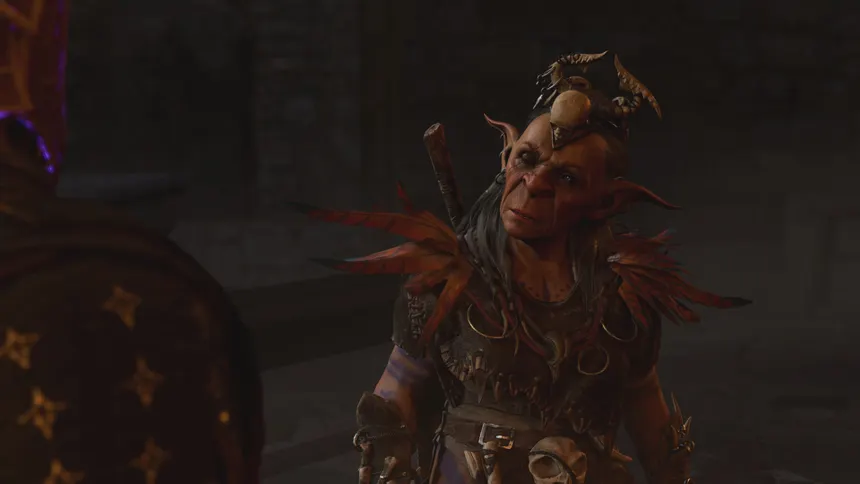
I’ve always loved rich settings, and Forgotten Realms is used here with care. BG3 doesn’t force you to be a lore expert, but it rewards curiosity: a throwaway line about the Sword Coast sent me down a rabbit hole of codex entries that enriched a later decision. The hints of old stories — nods to Bhaalspawn legends — added a delicious weight to my character’s possible destiny. And that optional Dark Urge origin? It’s the kind of temptation that made me play a second run just to see how far the game would let me lean into darker impulses. Those elements are woven into the mechanics and narrative so they feel earned rather than tacked on.
Systems that produce stories
Inspiration, skills, and memorable moments
Mechanics like Inspiration and skill checks gave me thrilling micro-dramas. I used Inspiration to re-roll a dialogue check at a moment where failure would have ended an alliance; the success that followed led to one of my favourite companion scenes. Those tiny mechanical second chances make victories feel earned rather than arbitrary.
When dice tell better stories than scripts
A couple of moments stand out: the time my carefully plotted ambush collapsed because an NPC rolled a natural 20 on an unexpected check, and the night my party pulled off a plan involving a cantrip and physics that made us all whoop at the screen. Then there was the sting of a Critical Hit from an enemy that cut a favourite companion down — a moment of silence and, later, a stubborn comeback that felt more satisfying than any scripted resurrection.
Why I keep returning
Replayability with new angles
Every time I restart, small changes to Ability Scores or a different approach to Advantage / Disadvantage make the game feel fresh. The interplay between Ability Scores, gear, and the environment promotes experimentation — I’ll try a diplomatic run, a min-maxed soldier run, then a chaotic, Dark Urge-influenced playthrough just to see how the world reshuffles itself.
The sum of crunchy mechanics and emotional stakes
At the end of the day, BG3 blends crunchy mechanics with emotional stakes. Whether I’m nervously watching AC tick down on a party member, swapping cantrips in combat to create new combos, or choosing whether to embrace a Bhaalspawn legacy, the game treats my choices like they matter. That’s rare. It’s why I’ll come back again, and again — because each new run writes a personal story I didn’t expect to live through.
Message:
Baldur’s Gate 3 revolutionises RPGs by merging classic Dungeons & Dragons lore with cutting-edge gameplay. For someone who grew up loving Dungeons & Dragons, it’s surreal to see this brought to life. The characters feel alive, the consequences sting, and every decision pulls you further in.
Emotion:
Its rich storytelling and intense player choices create an emotional journey that grips you from start to finish. I found myself genuinely caring, second-guessing brutal choices, and sitting in silence after some scenes just to process what happened.
Logic:
Backed by solid turn-based mechanics and dynamic world-building, it offers both depth and accessibility for veterans and newcomers alike.
Takeaway:
If you’re seeking an immersive RPG where every decision matters, Baldur’s Gate 3 sets the gold standard — a must-play masterpiece.