City Hunter (2026 remake) - Nostalgia Reloaded or Risky Reinvention?
When the remake rolled up on my radar I felt… hesitation. City Hunter isn’t a property you casually modernise. It’s pulpy, stylish, occasionally ridiculous, and it sits on a tonal knife-edge between gritty detective action and shameless comedy. Update it for 2026 without sanding off those edges and you’ve preserved the magic. Over-correct and you’ve lost the soul.
Now that the remake has actually launched, the question isn’t hypothetical anymore. After spending time with it, the real question the game has to answer is still the same. Does it still feel like City Hunter?
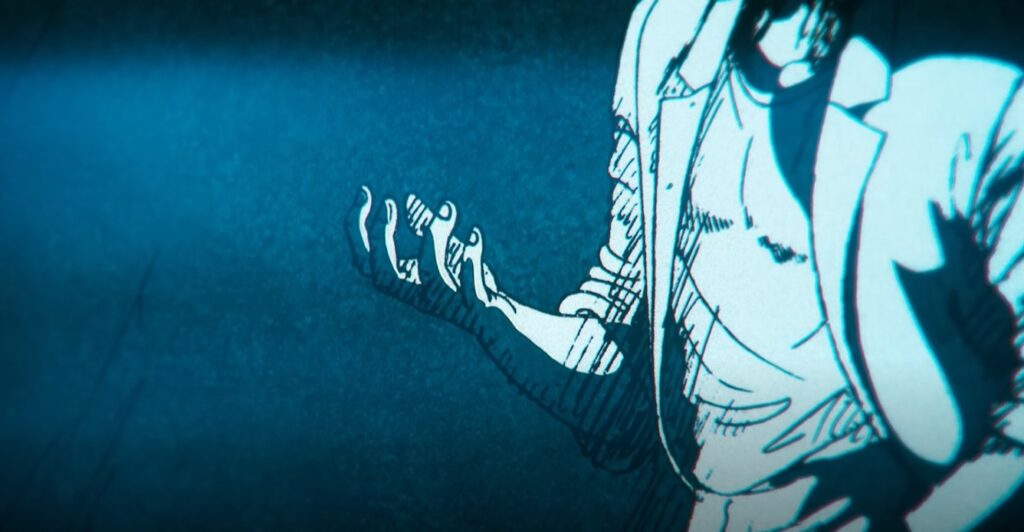
The Weight of Legacy
The original City Hunter built its identity on a strange but effective balance. Hardboiled detective stories mixed with outrageous humour and exaggerated personalities. The protagonist works because he’s charismatic, messy, occasionally ridiculous, and somehow still magnetic.
That combination is exactly what makes adapting the game tricky.
Modern players expect clearer progression systems, smoother pacing, and more guidance through levels. But if the remake smooths the rough edges too much, it risks stripping away the weird charm that defined the original.
That tension between preserving personality and modernising structure is why both longtime fans like me and curious newcomers have been watching this remake closely.
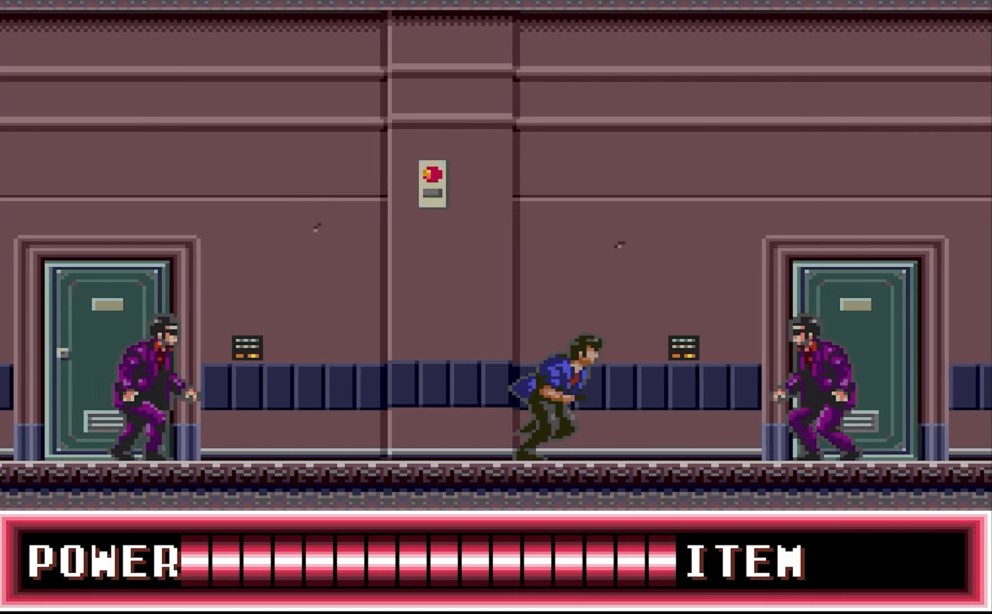
Visuals and Tone in City Hunter
One of the remake’s biggest strengths is its presentation. Visually, the game looks far sharper than the original version, with cleaner environments, improved character models, and a more cinematic feel to combat and story moments.
The city itself feels more polished, and the updated localisation and presentation show clear care from the developers. It doesn’t feel like a lazy re-release.
But that polish also creates an interesting side effect. The original City Hunter often worked because its tone jumped wildly between serious gunplay and exaggerated comedy. The remake sometimes feels a bit smoother, a bit cleaner, and occasionally that makes the tonal shifts feel less chaotic than they used to.
Whether that’s an improvement or a loss of personality will depend on the player.
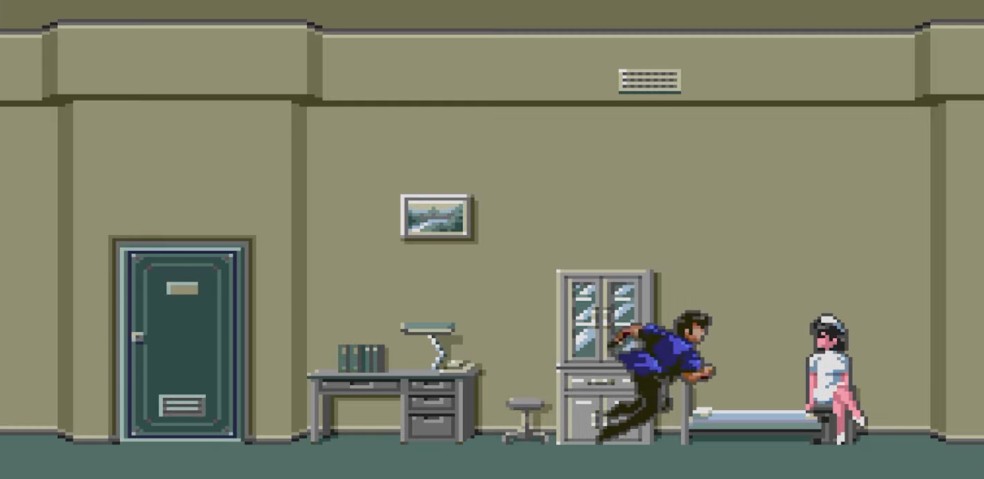
Modernisation vs Identity
Modern action games have raised the bar significantly. Players now expect responsive controls, fluid movement, and combat systems that reward experimentation.
The City Hunter remake updates some of these elements, but stops short of fully reinventing them. The core gameplay loop still carries the DNA of the original design, which at times makes it feel like an older game dressed in modern presentation.
Combat is functional, but lacks depth. Encounters begin to repeat sooner than expected, and the progression systems feel simplistic compared to contemporary titles.
The smartest decision the remake makes is not trying to become something it isn’t. Instead, it leans into its legacy while introducing quality-of-life improvements that smooth out the rough edges.
My Personal Frustrations With the City Hunter Remake
I genuinely appreciate the effort that went into updating this game. Visually and stylistically it feels respectful to the original material, and there’s clearly been attention paid to presentation and accessibility.
But the gameplay underneath still feels quite dated.
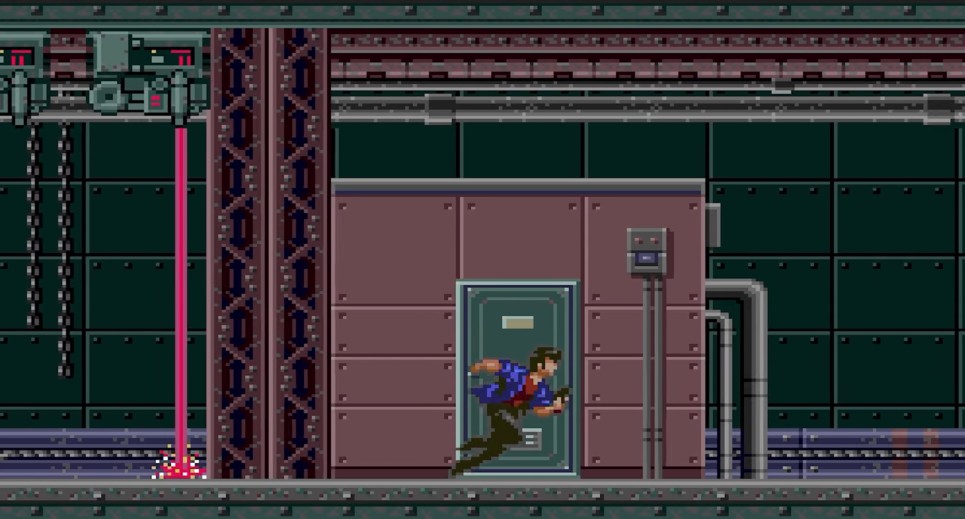
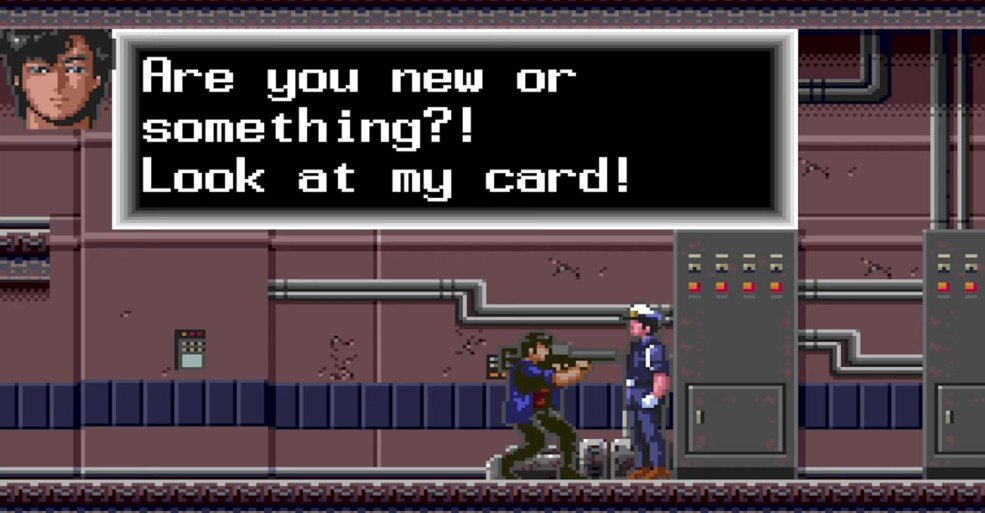
The level design stood out the most to me. Much of the game involves moving through long corridors or connected rooms filled with doors and small combat encounters. Without a proper map system or modern navigation tools, exploration can quickly shift from interesting to frustrating.
After a while it started to feel less like exploring a city and more like navigating a maze.
Another issue is the repetition. Enemy encounters appear frequently and don’t vary as much as I would have liked. When combined with the fairly straightforward combat system, it can make longer sessions feel a bit repetitive.
The length of the game is also worth mentioning. The campaign is relatively short, and depending on the price in your region, the value for money may feel questionable unless you’re already invested in the franchise.
That doesn’t mean the experience is bad at all, it’s just that it sometimes feels more like a preserved classic than a fully modernised remake.
Fixes, Workarounds, and What the Release Already Includes
The good news is that the remake launched with several modern quality-of-life features that significantly improve the experience.
These include save states, rewind functionality, multiple screen display modes, improved localisation, and an Enhanced/Modern gameplay mode. Enabling these options early makes the game far more accessible than the original release ever was.
Difficulty adjustments and Enhanced mode can also reduce enemy aggression and smooth camera behaviour. For many players this turns the game from a frustrating maze into something much closer to an enjoyable nostalgia trip.
If you run into technical issues, checking for platform updates or verifying your game files is worth doing. Most of the discussion surrounding the release has focused on design frustrations rather than major technical problems, which suggests overall stability is reasonably solid.
What’s Not Fixed Yet
As of the early post-launch window, there hasn’t been widespread reporting of major patches. Most of the “fixes” available are already included as quality-of-life features rather than post-launch updates.
If the developers do release updates in the future, the areas most likely to benefit from improvements are navigation tools, camera behaviour, and enemy balance. These are the pain points I encountered the most, your experience may be slightly different.
City Hunter is More Than a Nostalgia Project
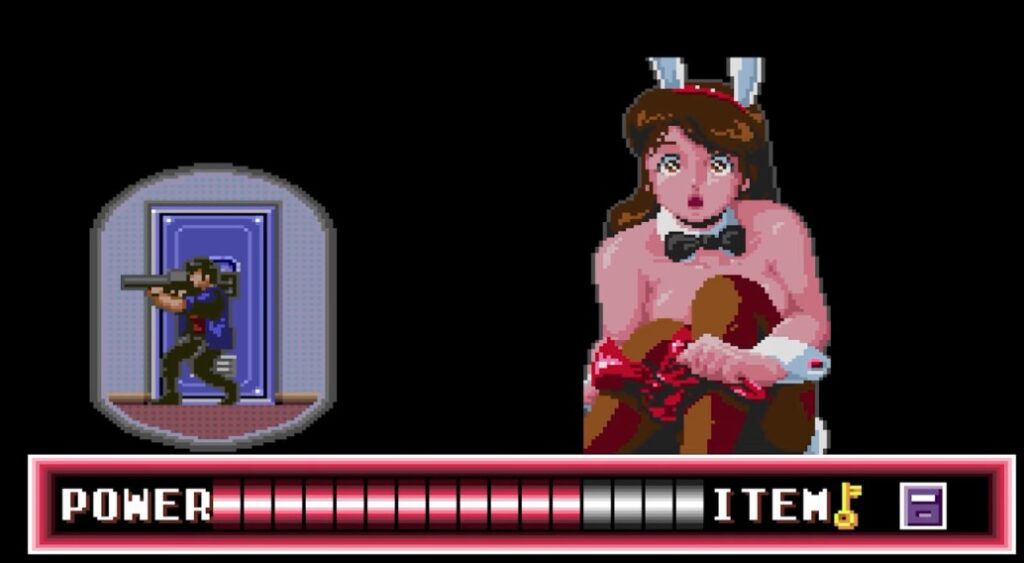
For my City hunter Is a test case and I will explain why.
It asks whether older games with unusual tone and outdated mechanical structures can still connect with modern audiences if they’re presented carefully.
The City Hunter remake shows that presentation upgrades and quality-of-life improvements can make classic material playable again. But it also demonstrates the limits of that approach when the underlying design still belongs to another era.
In other words, visual polish can go a long way and it has done in many games, but it can’t completely hide the age of the original gameplay systems.
My Take (Still Cautious, But Clearer)
I’m cautiously optimistic, but with some clear caveats.
The remake’s visuals and respectful presentation are strong, and the inclusion of modern accessibility features shows that the developers genuinely wanted to make the experience easier for new players to approach.
However, the criticisms about navigation, repetition, and short runtime are real. These are structural parts of the game.
If you’re already a fan of City Hunter, playing with Enhanced or Modern mode enabled makes the experience much smoother. If you’re new to the series, it might be worth waiting for a sale or seeing whether future updates address some of the design frustrations.
So, how melty is it?
Atmosphere and Worldbuilding – 9.0/10
Dark, stylish, and faithful to the source material.
Combat Weight and Feedback – 8.2/10
Satisfying when it clicks, but occasionally held back by simpler, more dated mechanics.
Difficulty Balance – 7.6/10
Starts off quite punishing, but settles into a more manageable flow once you get used to it.
Exploration Tension – 7.8/10
There’s a good sense of tension early on, but the maze-like design and lack of clear navigation can make it more frustrating than rewarding at times.
Boss Design Impact – 7.7/10
Strong visually and memorable in moments, but mechanically a bit inconsistent across the board.
Total Melt Score: 7.9/10
This remake isn’t just a simple nostalgia re-release. It’s an experiment in preserving tone while improving usability.
Where it succeeds is the presentation, voice work, and fan service, it feels like a genuine revival of a cult property. Where it struggles I think is the maze-like level design, pacing, and perceived value and it reminds you that not every older game translates cleanly into modern expectations.
For now, City Hunter (2026 remake) sits in an interesting middle ground and a respectful revival that sometimes feels trapped between two generations of game design.
If you enjoyed this read, be sure to check out our breakdown UNBEATABLE – Rhythm Dreams vs Reality It’s a completely different kind of platforming experience, but one that lingers with you long after you put the controller down.
For more details on City Hunter, including features, platforms, and updates, you can visit the Official City Hunter Website