Cairn Game Review – A Brutal and Beautiful Climbing Challenge
I don’t think a game has made my palms sweat the way Cairn did. It’s a climbing game unlike anything I’ve played and it’s not just another traversal mechanic like Breath of the Wild, but survival climbing where every move feels like a decision rather than a command. After sinking hours into the Steam demo and losing count of how many times Aava and I hit the dust, here’s my honest thought on why Cairn is one of the most intriguing indie titles heading into its January 29, 2026 launch.
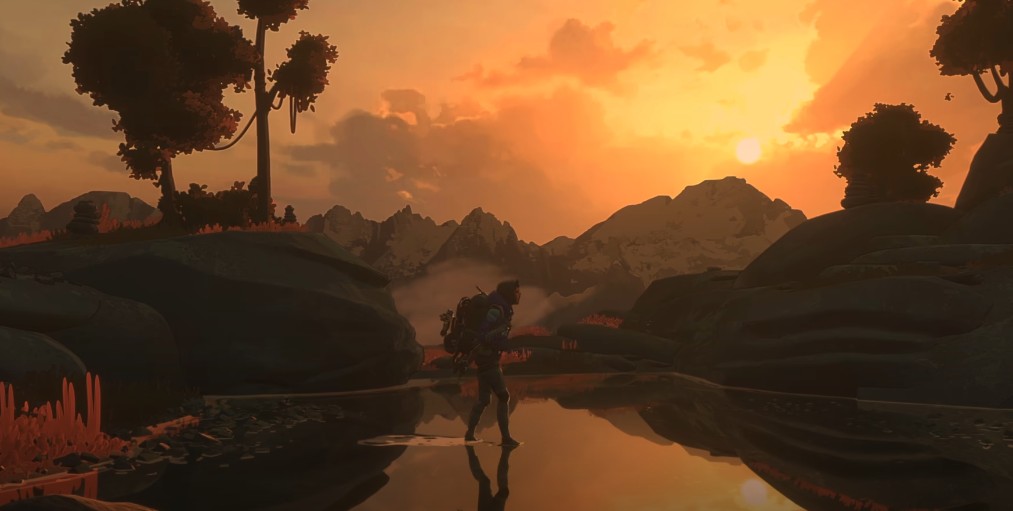
Cairn comes from The Game Bakers, the team behind Furi and Haven, and it’s shaping up to be more than just a mechanic test. It’s a game about endurance, balance, and commitment. In Cairn, you’re choosing every grip, every foot placement, and every rest, while juggling cold, hunger, thirst, and exhaustion on the unforgiving face of Mount Kami.
A Climbing Game That Doesn’t Hold Your Hand
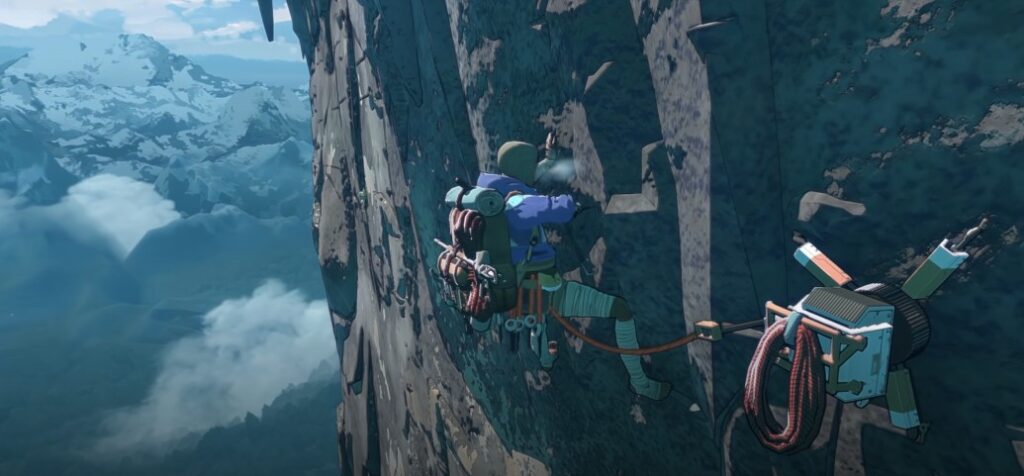
The first time I played the Cairn demo, I was struck by how physical it feels, like someone actually translated muscle tension and breath into game mechanics. Instead of a traditional stamina bar, you have to read Aava’s body, look at her breathing, the trembles in her limbs, and how she shifts her weight. It’s immersive in a way that traditional UI can’t replicate, but it’s also confusing at first, especially when you’re just trying to understand which limb the game is going to move next.
I felt that the automatic limb selection system, while realistic, can feel unintuitive or unpredictable, enough to cause some frustrating falls when you knew exactly where you wanted to put your next hold. What I found was that switching to manual limb control eased that frustration and made climbs feel more intentional.
For me, that learning phase was the hardest part, because it exposed how badly I wanted control. It reminded me of trying to learn a complex rhythm, where the timing and precision are the challenge, and not just an obstacle between you and the summit.
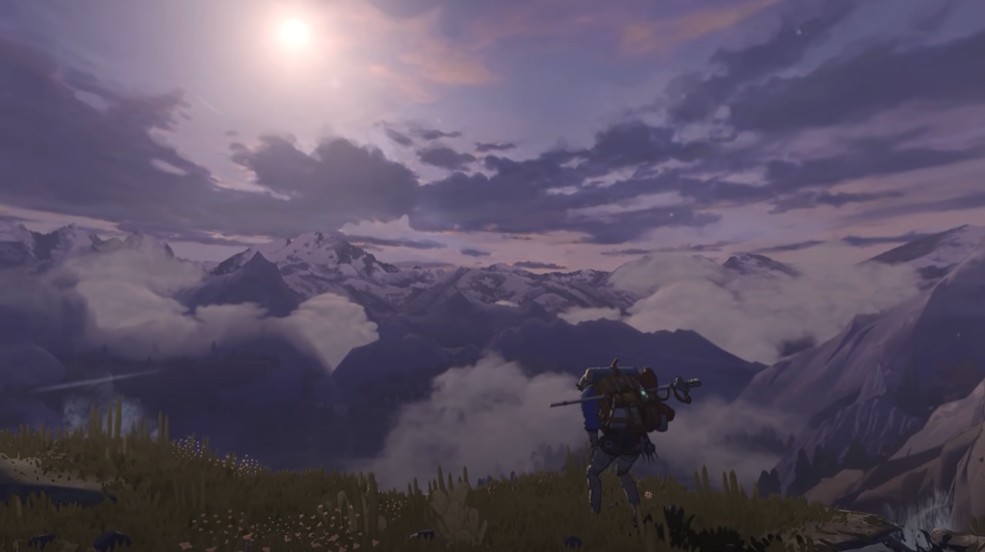
The Community around Cairn is Big
Some folks admit they’ve logged 20+ hours just mastering parts of Cairn, and others hitting performance rough patches that break immersion. I did notice frame rate drops and freezes during certain climbs which was something that pulled me out of the experience mid-ascent.
Many players online have praised the sense of serenity mixed with intensity, the careful planning, resource management, and the satisfaction of finally topping a tricky section, unlike most survival or climbing games. This blend of chill and stress is why a chunk of the demo community keeps returning to Cairn even before it launches.

Why Cairn Feels Different
Cairn isn’t built like most games. Its controls don’t auto-animate climbs for you. Your success depends on how well you read the wall, choose your path, and manage Aava’s physical state. That’s part of what I would describe as “a puzzle solver disguised as a climbing sim,” where careful choices matter as much as physical skill.
This also means Cairn isn’t fast-paced. It’s deliberate. You won’t blitz through a cliff face like you might in other adventure games. You’ll pause, plan, breathe, reposition, and sometimes still fall. That’s the point, survival isn’t about pure skill. It’s about adaptation under pressure.
Is Cairn a Horror Game?
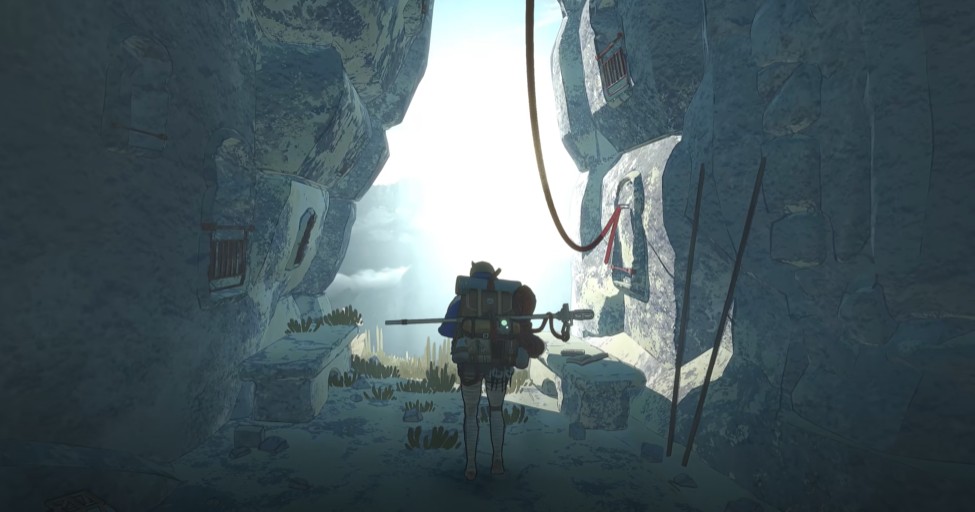
Cairn isn’t a horror game in the traditional sense meaning there are no jump scares, monsters, or scripted shock moments. But it absolutely feels unsettling. The tension comes from isolation, exposure, and the constant risk of failure. Every climb feels like it could go wrong, and that quiet pressure creates a kind of psychological discomfort that stuck with me far longer than most horror set pieces do.
If you’re expecting outright scares, Cairn may surprise you by how restrained it is. But if you’re sensitive to loneliness, heights, and slow-building dread, it taps into the same nerves that good horror does, just without ever raising its voice.
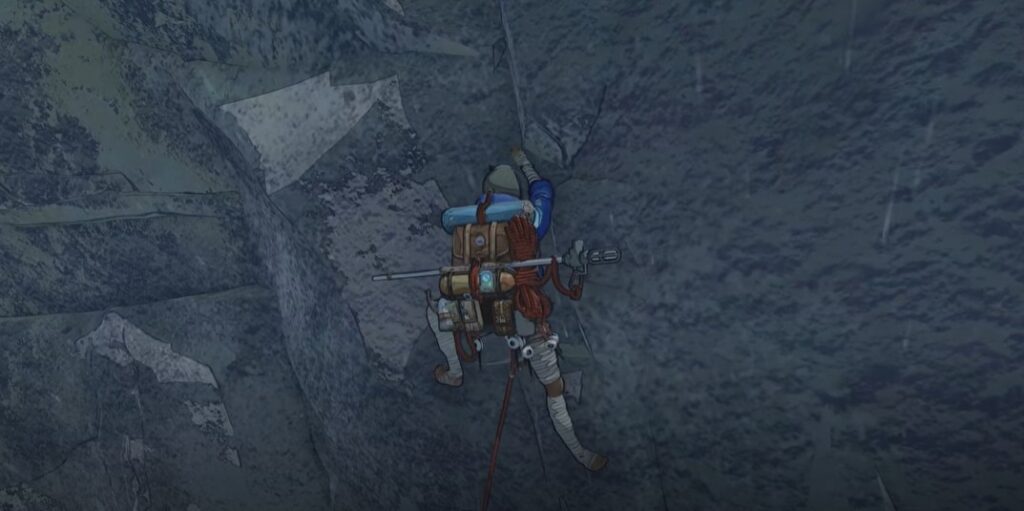
Cairn Game Engine – Why It Feels So Physical
Cairn is built around a custom physics-driven climbing system rather than a flashy, off-the-shelf engine showcase, and that design choice defines the experience. Movement feels deliberate and grounded. Every handhold matters, every slip feels earned, and the game never fully abstracts the danger away.
That emphasis on physical interaction is also where some early frustrations players have mentioned come from. Small input mistakes can cascade into major failures, especially when you’re tired or rushing. But it’s also what makes Cairn feel so distinct, the engine isn’t there to smooth things over, it’s there to make you feel the mountain pushing back.
So, how melty is it?
Anticipation Phase – 9/10
Years of teasers and a compelling demo built real excitement.
First Demo Hours – 9.5/10
The systems are fascinating; movement feels tactile and intentional.
Learning Curve Frustration – 7.5/10
Auto limb selection and stamina cues feel rough at first.
Performance & Polish (Demo) – 7/10
Frame drops and freezes pulled me out of climbs a few times.
Emotional Aftermath – 8.5/10
Rewarding ascents make every setback worth it.
Total Melt Score: 8.5/10
I’ve never felt a game make me hold my breath the way Cairn does — literally. Its climbing feels as much like a mental challenge as it does a physical one, and that’s both its strength and its hurdle. The demo impression was decidedly mixed at times, but the potential is there for something truly extraordinary.
If you love games that make mastery feel personal, and aren’t afraid of slow, meditative tension mixed with hard decisions, Cairn might just be the most memorable climb you take in 2026.
If you like survival games that mix tension with deep systems, check out my blog on Helldivers 2 – Democracy Is Fun Until It Isn’t.
For official details, trailers, and Wishlist info, visit the Cairn page on Steam.