Digimon Story Time Stranger – A Beautiful World With Broken Promises
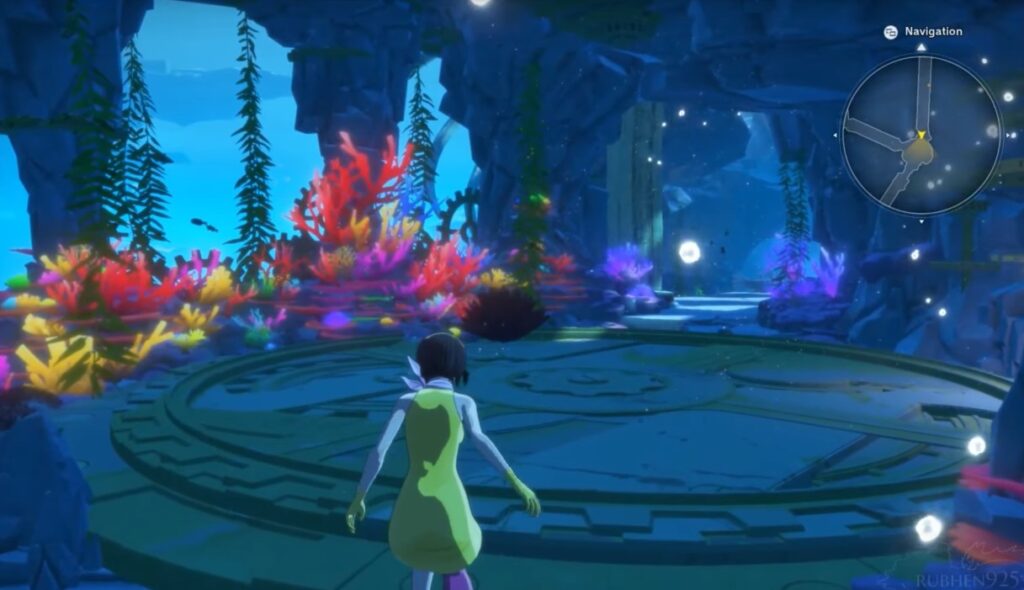
Some games land with a boom of nostalgia, promise polished mechanics and rich storytelling and yet trip over their own ambition. Digimon Story Time Stranger offers a gorgeous Digital World and hundreds of collectible Digimon, but beneath the sparkle lies a number of broken promises, pacing issues, and design frustrations that turn charm into irritation, here is my review on what I think brings this game down a notch.
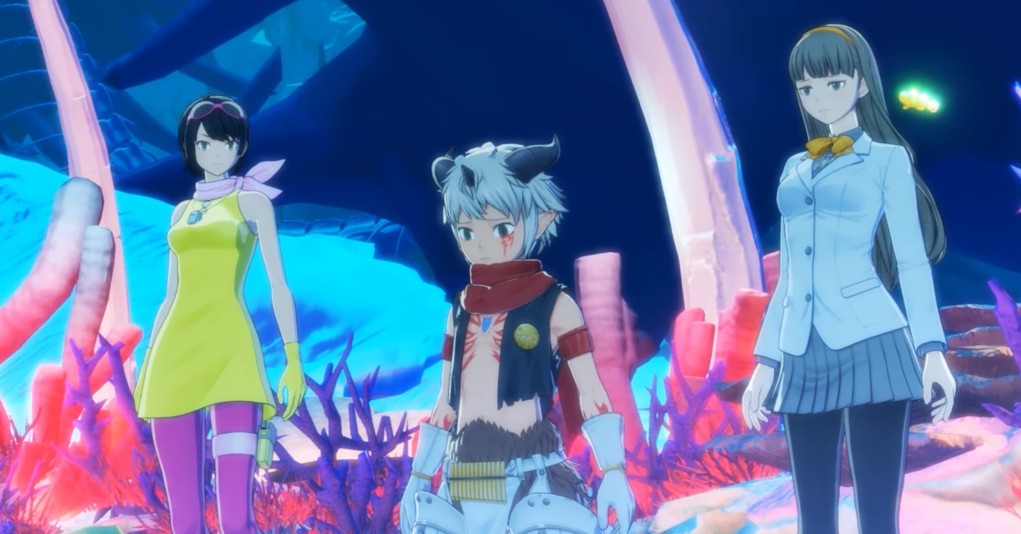
A Bright Return for the Digital Monster RPG
From the start, Time Stranger draws you in. With over 450 Digimon, a sleek monster-raising system, and visible encounters instead of random battles, the game feels like a rebirth of the franchise. I love the strategic depth and improved systems. It’s bold, it’s fun and we buy into the dream.
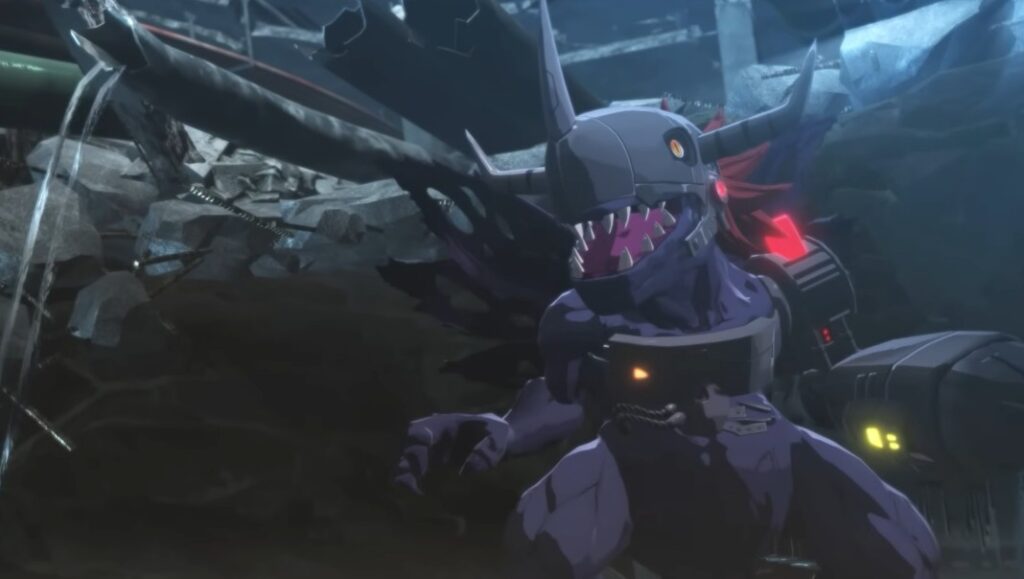
When the Promise Meets the Grind
Then you hit the middle chapters. Boss enemies explode in health, dungeons repeat with minor variations, and side quests stretch on like taffy. Boss fights … can be a major sticking point and the game is capped at 30 fps even on PS5. The layering of systems Digifarms, skill trees, personality traits starts to feel like homework instead of adventure.
The Narrative That Forgets To Tell You
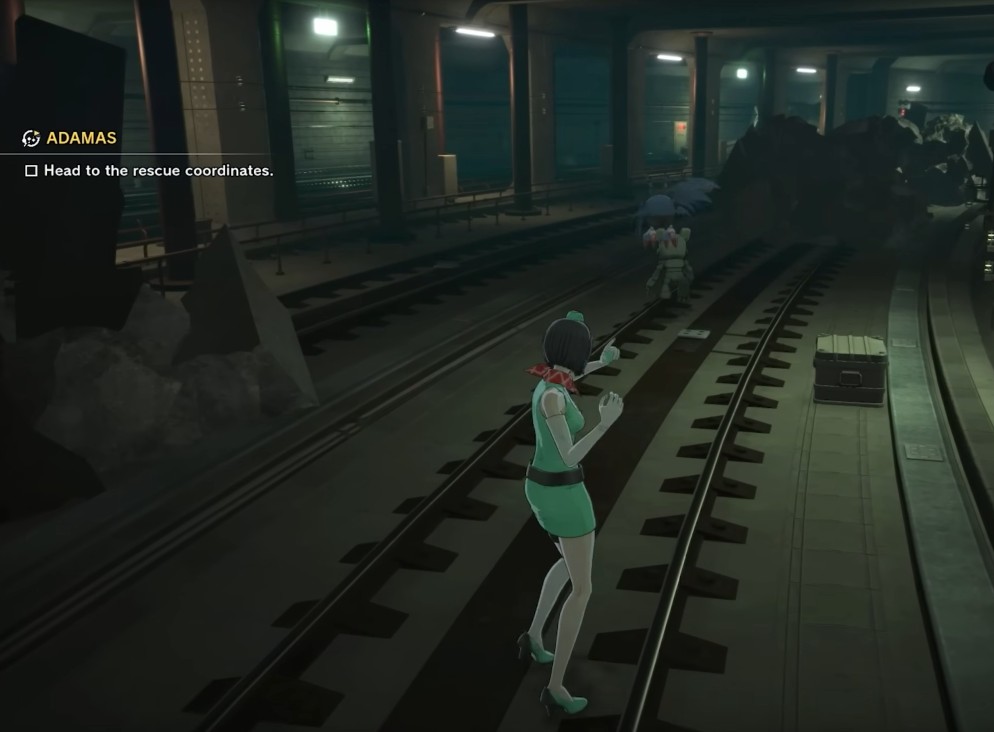
Beautiful cutscenes, satisfying Digivolutions, but the story loses urgency. There is excessive dialogue a linear design, and a sense of déjà vu in world traversal. A lot of the important stuff and characters just felt really lifeless.
You expected a digital apocalypse but instead you wander halls, fetch items, talk to NPCs, repeat. The world is pretty, but that pretty wears thin when everything starts feeling the same.
The Frustration Isn’t Fatal in Digimon Story Time
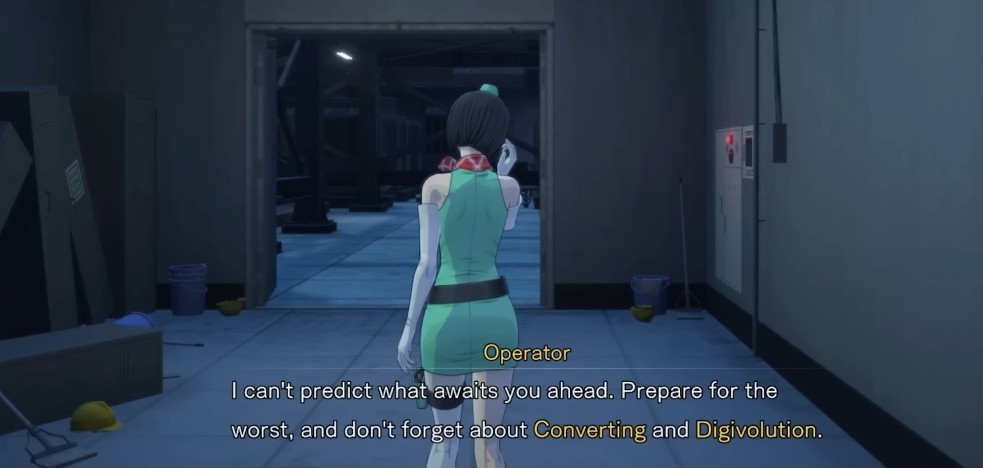
Despite the flaws, there’s still fun here. The combat tweaks work. The Digimon roster is insane. The nostalgia hits. You can enjoy the ride and even love it if you’re a fan. But the gap between what the game could be and what it is becomes painfully visible, and that gap is where the broken promises live.
If Time Stranger’s broken promises left you craving a game that truly delivers, check out our post Tears of the Kingdom Proves Why Zelda Still Rules Gaming. Both titles dream big but only one turns that ambition into awe. Where Digimon stumbles, Zelda soars, reminding us that world design and emotional payoff are what keep players coming back.
Want to see how Digimon Story Time Stranger evolves within the franchise? Visit Bandai Namco’s official Digimon page for trailers, updates, and details on upcoming patches and story expansions straight from the source.

I am going to leave you with this, you close the game, stare at the screen, and whisper, “Maybe next time, DigiDestined.” it’s heartbreak in 1080p. You wanted evolution, not repetition. Still, as the music fades and your Digimon wave their tiny pixel hands goodbye, you can’t help but smile. Broken promises or not, you’ll be back, because that’s what hope (and nostalgia) does to a gamer.
So, how melty is it?
Early Digital Delights: 7/10
You’re charmed by the visuals, the Digimon, the systems. Everything looks like it’s going to fit. But you sense the weight of systems underneath.
Mid-Game Weight: 8/10
The mechanics click, but the repetition, the grind, the long load screens start to drag. Enthusiasm begins to wobble.
Late-Game Frustration: 9/10
Dungeons recycle, bosses stretch on, the story fades into background noise. You start playing through the game rather than for it.
Broken Promise – Peak Disappointment: 10/10
When you realise the game doesn’t quite live up to the beautiful setup, when you wander a digital world that feels flat, or repeat a dungeon for the third time, you feel that sting. It’s not end-of-world—but it’s close.
Total Melt Score: 8.6/10
Digimon Story Time Stranger is a beautiful world full of potential. But broken promises, whether in pacing, polish, or purpose just make it a bittersweet ride. It’s worth experiencing, but don’t expect perfection.