Fire Emblem Three Houses: How War, Politics, and Strategy Collide
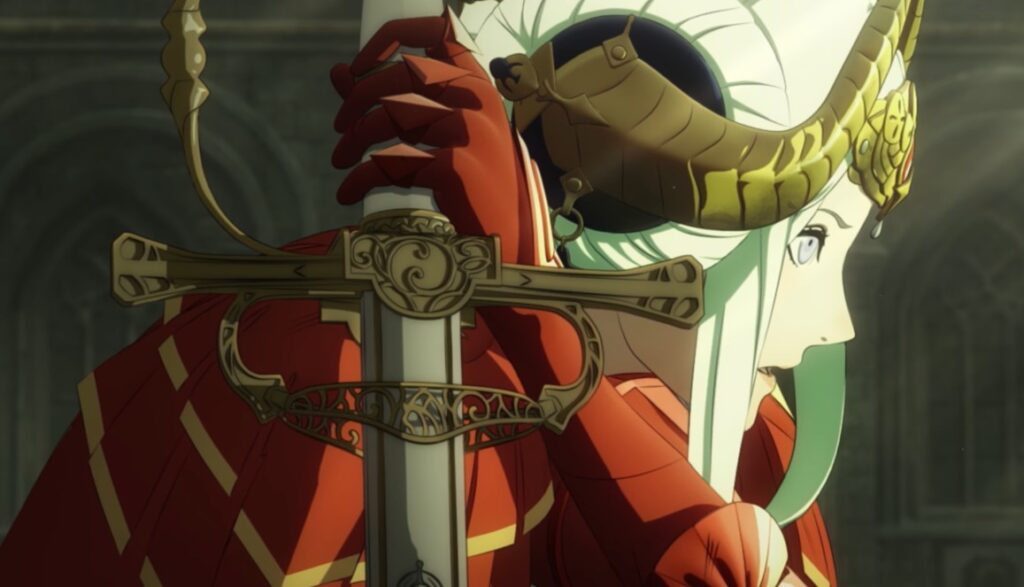
Few games blend emotional storytelling, intricate politics, and tactical brilliance quite like Fire Emblem Three Houses. Set in the war-torn continent of Fódlan, the game challenges you not only to lead armies but also to make decisions that define lives, nations, and even your own morality.
From my first playthrough, it became clear that this wasn’t just another turn-based strategy game, it was an experience where every conversation, every battle, and every choice carried weight. It’s a game where war and politics aren’t just backdrops, they are the very forces that drive the story forward.
The Classroom as a Battlefield
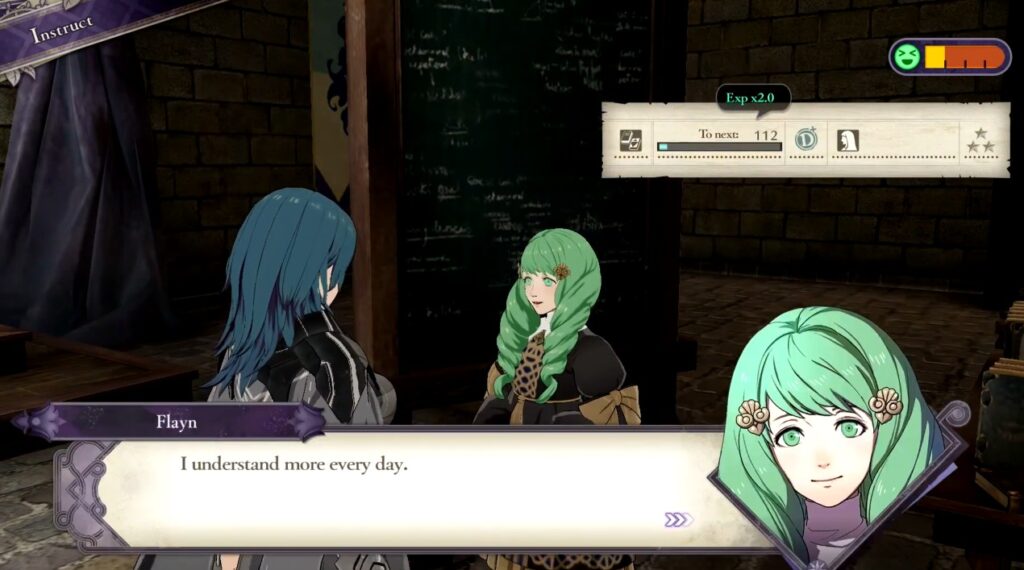
Fire Emblem Three Houses redefines the battlefield by making the Garreg Mach Monastery your strategic base. As a professor, your role extends beyond combat, you train, mentor, and build relationships with students who will later fight by your side.
Each student has unique skills, dreams, and ideals, making every decision about training or deployment feel personal. Watching your class evolve from uncertain recruits to battle-hardened warriors gives a sense of growth that few strategy games achieve.
What truly struck me was how emotional investment replaces traditional resource management. The bonds you form with your students influence not just morale, but also combat effectiveness, blending narrative and strategy in a way that feels completely natural.
No Easy Answers in the Three Houses
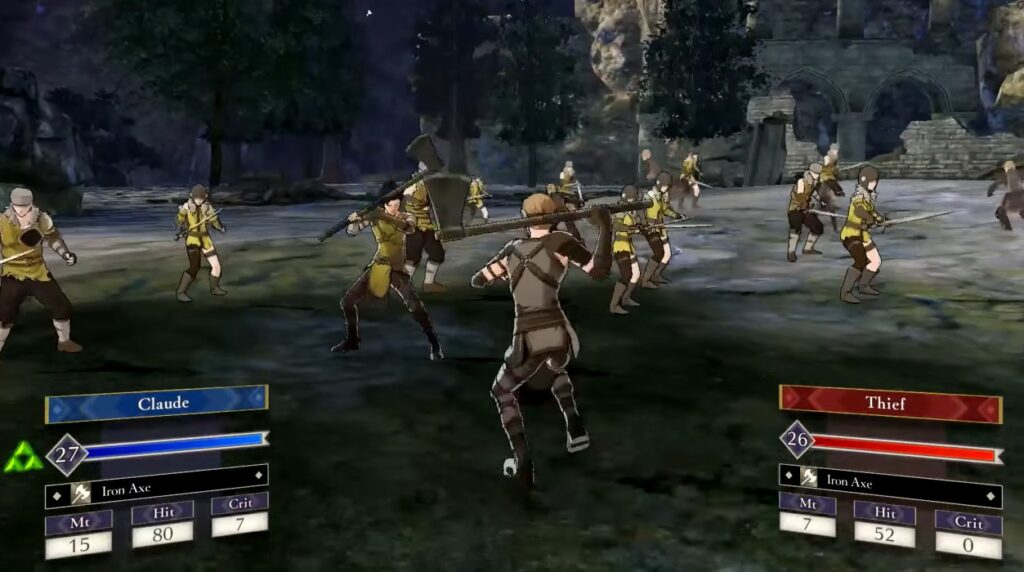
One of the defining strengths of Fire Emblem Three Houses is its willingness to challenge your moral compass. As the story progresses, players are forced to choose sides in a conflict where no one is completely right or wrong.
The political tensions between the Adrestian Empire, Holy Kingdom of Faerghus, and Leicester Alliance evolve into personal dilemmas. Do you side with your students, your ideals, or your sense of justice?
During my first playthrough, I found myself agonizing over choices that felt genuinely human when sacrificing one ally to save another, or questioning whether peace was truly achievable. This depth of consequence is what transforms Fire Emblem Three Houses from a strategy game into a meditation on leadership and loyalty.
Tactical Brilliance on the Battlefield
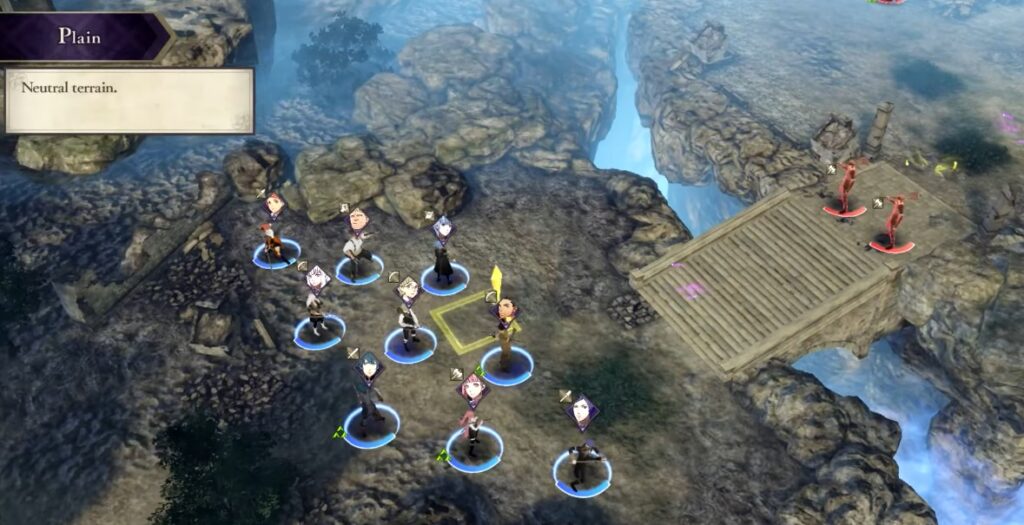
At its heart, Fire Emblem Three Houses remains a tactical masterpiece. The turn-based combat is layered, rewarding foresight, formation, and adaptability. Each decision you make, if its positioning a unit, choosing a weapon, managing terrain, can be the difference between victory and defeat.
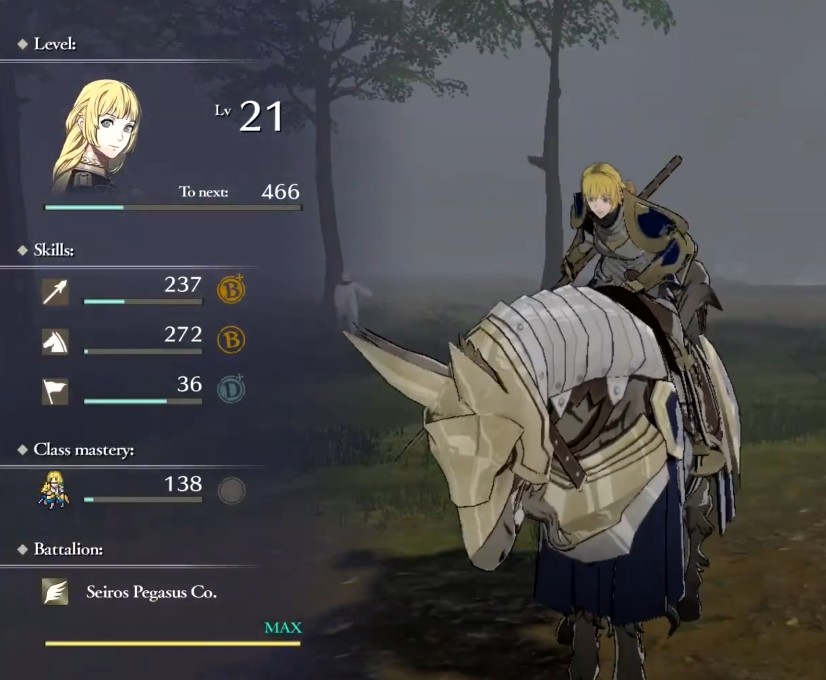
The introduction of Battalions and Combat Arts adds even more depth, giving players the flexibility to experiment and evolve strategies mid-battle. The difficulty curve feels fair yet demanding, keeping even seasoned players on edge.
It’s the kind of game where losing a character hurts emotionally. Their absence in battle echoes in the monastery’s quiet halls, a reminder that every tactical decision carries real narrative weight.
The Human Side of War
Beyond tactics and politics, Fire Emblem Three Houses captures the human cost of conflict. Through support conversations and side stories, we see the scars war leaves on individuals. Characters like Edelgard, Dimitri, and Claude are deeply flawed, driven by trauma, ambition, and ideals.
What makes this powerful is how personal it feels. As a player, you’re guiding people you’ve come to care about. Every victory feels earned, but every loss lingers long after the battle ends.
That emotional pull is what elevates Fire Emblem Three Houses into one of the most profound narratives in modern gaming.
If you enjoy strategy-driven storytelling and moral complexity, check out our post on XCOM 2: The Ultimate Thrill of Tactical Decisions and Risk for another look at how player choice and consequence define great strategy games.
Fire Emblem Three Houses is a study of leadership, loyalty, and the heavy price of conviction. It invites you to think, feel, and question, all while delivering some of the best tactical gameplay of its generation.
As someone who values games that merge intellect with emotion, this is one experience that’s impossible to forget. Whether you’re commanding armies or comforting a shaken student after battle, every moment in Fire Emblem Three Houses reminds you that power and empathy are two sides of the same sword.
The Power of Choice and Replayability
One of the most rewarding aspects of Fire Emblem Three Houses is its incredible replay value. Each house, Black Eagles, Blue Lions, and Golden Deer offers a unique storyline, perspective, and set of characters, making every playthrough feel distinct.
Your choices early in the game ripple through the narrative in powerful ways. Changing allegiances, forming unexpected bonds, or making difficult sacrifices can completely alter the tone and outcome of your journey. This dynamic structure keeps players invested, encouraging multiple runs to uncover every facet of the story.
On my second playthrough, I noticed how different decisions revealed new truths about Fódlan’s history and its rulers. Characters I once saw as enemies became allies, and moral lines blurred even further.
This branching narrative system ensures that no two journeys are alike each one is a personal reflection of your own values, strategies, and emotional choices.
For official details, updates, and character profiles, visit the Fire Emblem Three Houses official page on Nintendo.