Until Dawn: How Branching Paths Make Horror Personal
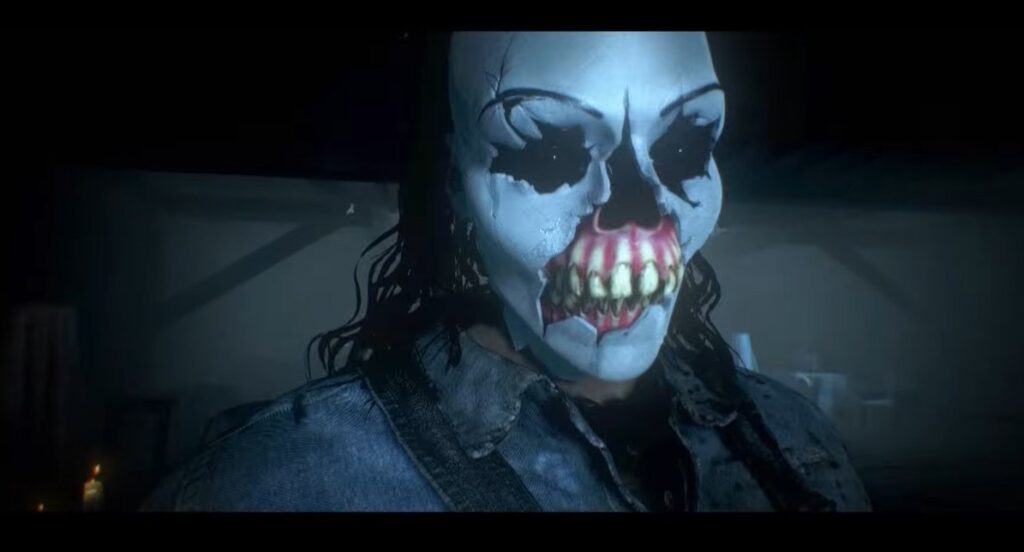
When I first played Until Dawn, I expected a typical horror game, tense chases, jump scares, and maybe a few gruesome deaths. What I didn’t expect was how personal the experience would feel. Every choice I made, no matter how small, carried weight. Each character’s fate rested squarely on my shoulders.
That’s what makes Until Dawn stand out in the horror genre. It doesn’t just want to scare you; it wants to make you responsible for the fear. Every decision becomes a reflection of who you are under pressure.
My blog on The Evil Within: The Terrifying Mind Bending Horrors of Gaming looks at how fear can be shaped by story and psychology just as Until Dawn does.
The Butterfly Effect in Action
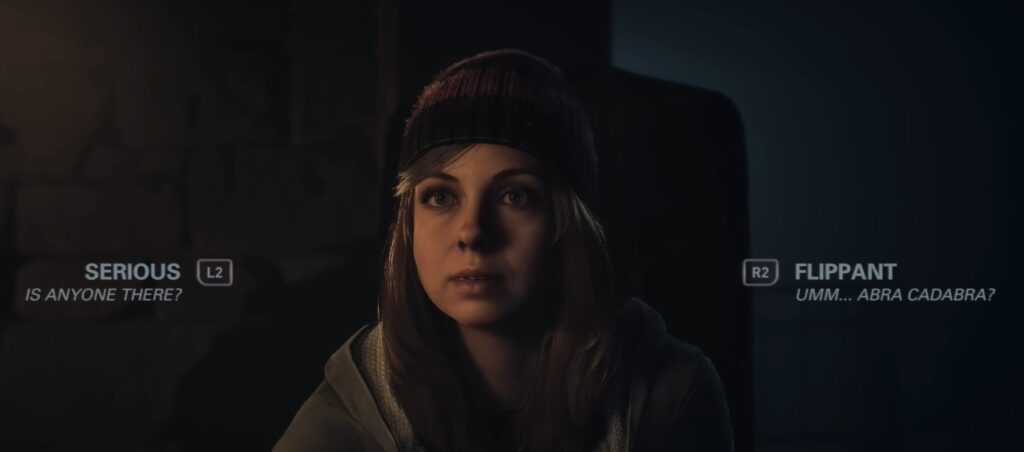
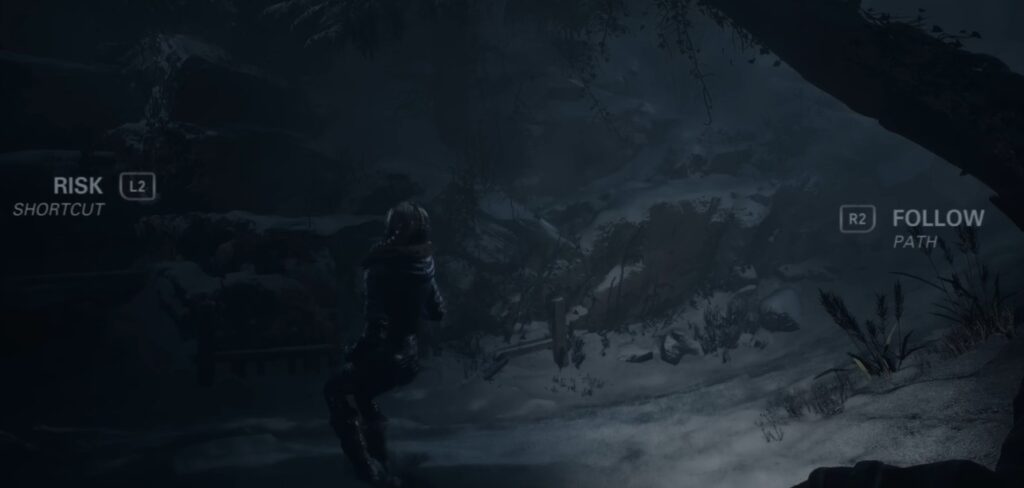
At the heart of Until Dawn lies the Butterfly Effect system, where even the smallest choice can drastically alter the story. Pick up a clue, comfort a friend, or take a shortcut, each decision sends ripples through the narrative.
One wrong move can mean the difference between saving a character or watching them die in a terrifyingly cinematic fashion. This isn’t just storytelling, it’s interactive fate.
The beauty of this system is how it makes every playthrough unique. You can compare outcomes with friends, realizing how one decision in Chapter 2 changed everything in Chapter 8. That unpredictability creates both tension and replay value.
When playing this game, I found myself second-guessing every action. Should I trust this person? Should I hide or run? The game forces you to live with your mistakes, which makes survival all the more rewarding.
Character Depth Through Choice
Unlike many horror games where characters feel disposable, Until Dawn gives you a reason to care. Each of the eight protagonists has distinct personalities, relationships, and flaws. Whether it’s the witty dialogue of Sam or the conflicted bravery of Mike, the writing ensures that no one feels like a stereotype.
Through dialogue choices and quick decisions, you shape how these characters grow or crumble. Watching a character evolve based on your decisions creates emotional investment, which makes their potential death feel personal.
This emotional depth reminds me of Resident Evil Requiem, where player attachment plays a crucial role in how fear lands.
Cinematic Storytelling at Its Finest
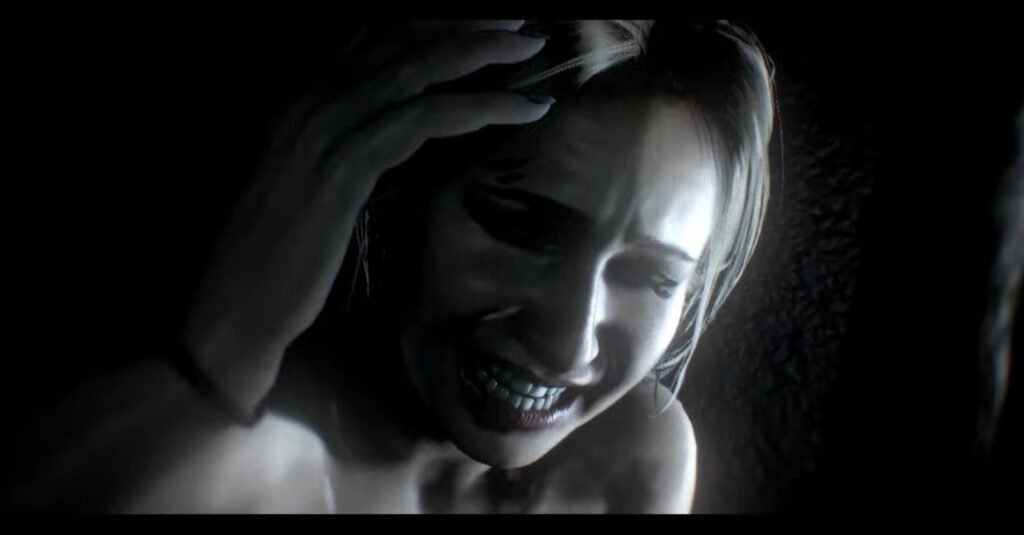
Until Dawn plays like an interactive movie. From its motion captured performances to its film-grade camera work, it blurs the line between cinema and gaming. The visual detail in the snowy mountain cabins, flickering lights, shadowy corridors, brings Hollywood level polish to the gaming screen.
The developers at Supermassive Games understood that fear is as much about pacing as it is about content. Quiet moments stretch your nerves, while sudden bursts of action shock you into survival mode.
Every frame feels deliberate. It’s not just what you see, but what you don’t see that gets under your skin.
For more information about the studio and its creative process, check out the official Supermassive Games page for updates, artwork, and interviews with the developers.
Why Branching Paths Change Everything
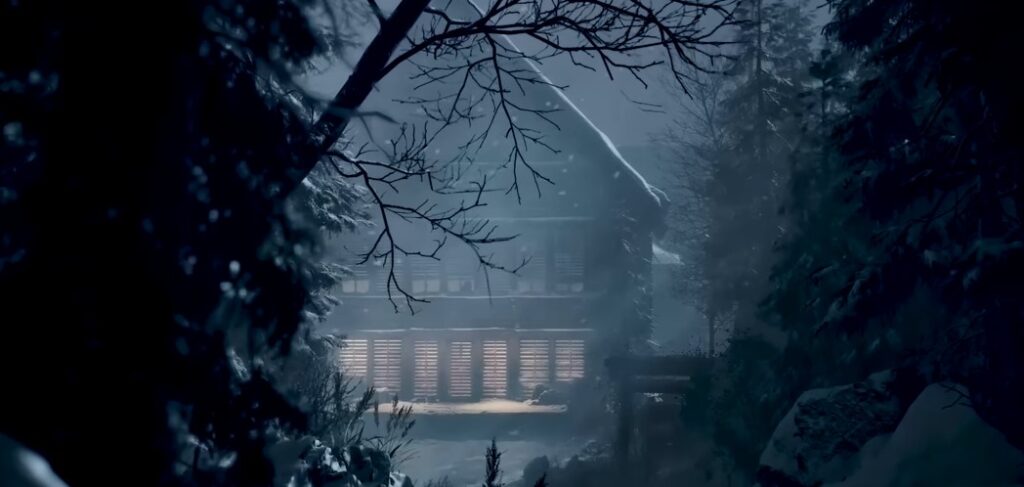
What makes Until Dawn special is how it transforms the horror experience into something deeply personal. Instead of following a scripted path, you create the story. Fear becomes your own responsibility.
The branching narrative system doesn’t just create multiple endings, it creates accountability. When someone dies, it’s not just a cutscene, it’s a consequence of your choice. When everyone survives, it’s a triumph you earned.
This design philosophy redefines horror. It’s not about surviving monsters, it’s about surviving your decisions.
Replayability and Reflection
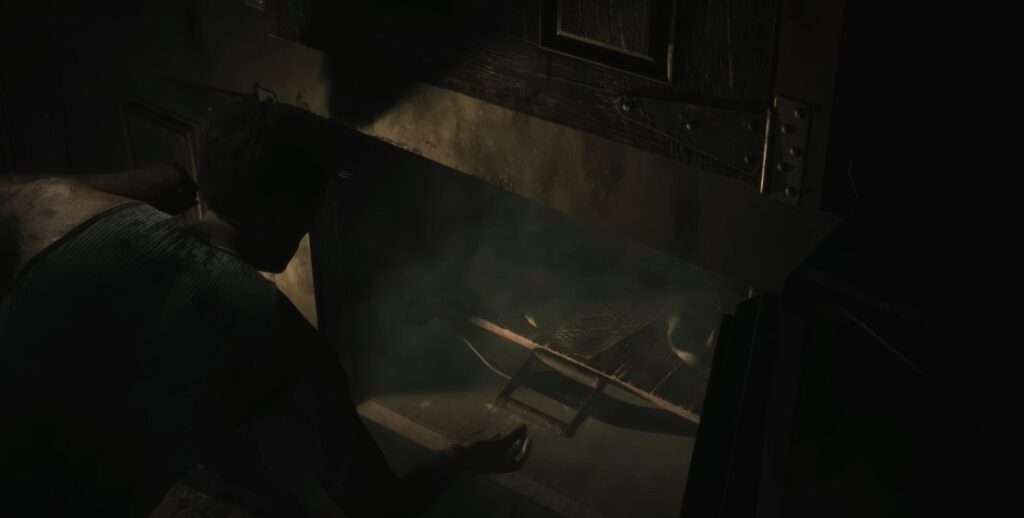
After finishing my first playthrough, I couldn’t stop thinking about what I could have done differently. Could I have saved Jessica? Was there a clue I missed? Until Dawn made me replay not just for achievements, but to rewrite my own story.
That’s the genius of this game, it stays in your head long after the credits roll. You reflect on your instincts, your morals, and your fears. The game doesn’t just test your reflexes, it tests your conscience.
Until Dawn isn’t just a horror game, it’s a psychological experiment disguised as entertainment. It forces you to face your decisions, live with your regrets, and confront your instincts.
In a genre often defined by scripted scares, Until Dawn stands out by giving control back to the player. The real monster isn’t what’s lurking in the woods, it’s the fear of making the wrong choice.
If you crave horror that reflects who you are, few games do it better than Until Dawn.