Disco Elysium: Solving Crimes, or Solving Yourself?

From the moment I first stepped into Revachol, the world of Disco Elysium immediately felt unlike any other RPG I had played. The streets are broken, the buildings are decayed, and the citizens carry the weight of their pasts just like the detective you play. But the most compelling aspect of this game isn’t the crimes themselves, it’s the journey into the psyche of your own character.
Let us take a look at how the game blends detective mechanics with a deeply personal narrative, turning every investigation into a reflection on morality, identity, and the human condition.
A Detective Game Like No Other
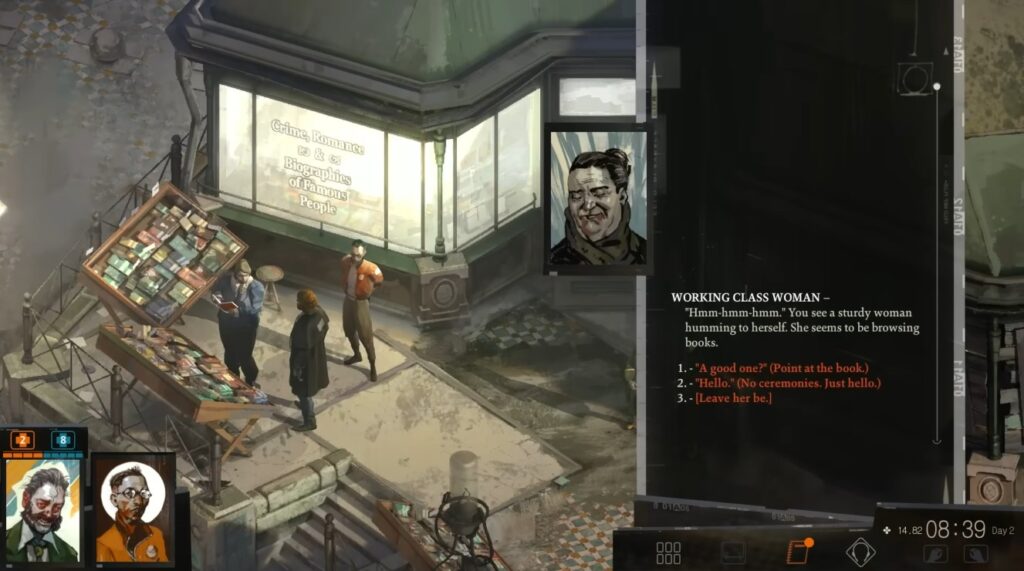
Unlike typical crime games, Disco Elysium doesn’t rely on combat or chase sequences to create tension. Instead, it focuses on the following:
- Dialogue driven gameplay: Your interactions with citizens shape the story and reveal clues.
- Skill system depth: From Intellect to Psyche, your abilities influence both casework and self-discovery.
- Non-linear investigation: Choices matter, and multiple paths can resolve the same mystery in very different ways.
As a player, I quickly realized that winning the case didn’t always mean winning morally. Some solutions feel “correct” in a legal sense but emotionally hollow a reflection of the game’s unique narrative ambition.
In Disco Elysium, Your Skills Reflect Your Mind

One of the most fascinating aspects of Disco Elysium is how your skill distribution mirrors your mental state. Each ability has a voice and personality, constantly interacting with your decisions and thoughts. For example here are a few things that really had me thinking deeply:
- High Empathy can uncover emotional truths during interrogations.
- High Logic can solve puzzles but may alienate emotional connections.
- Low stats often lead to hilarious, unpredictable, or tragic failures.
It’s a game that makes introspection mandatory and you can’t solve the case without confronting your own flaws, biases, and past traumas that even I felt I was looking into with my own life.
Building A World That Feels Alive

Revachol is more than a backdrop; it’s a living, breathing city. Every corner has a story: graffiti on walls, neglected buildings, and citizens struggling with addiction, loss, or political tension. These environmental details reinforce the themes of decay, both societal and personal.
Exploring Revachol, I often felt like I was piecing together not only a case but a fractured world, each clue and conversation deepening my understanding of its history, struggles, and philosophies.
Morality In Disco Elysium
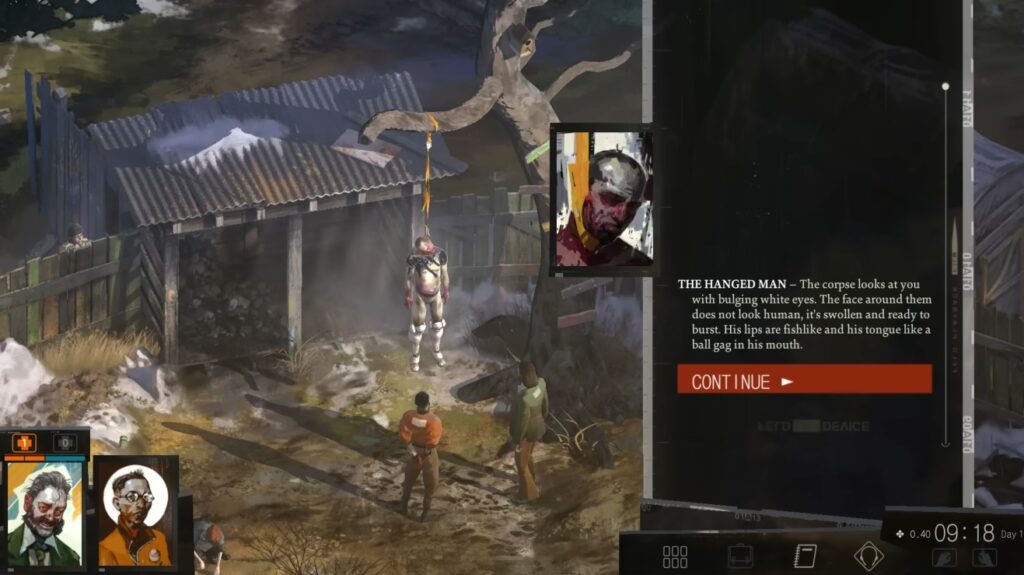
Where Disco Elysium shines is in its treatment of morality. Choices are rarely simple. Every decision carries weight, from interrogating suspects to how you treat your own body and mind.
The game forces you to ask questions like what does justice really mean in a broken city? Can personal growth coexist with professional success? This isn’t a standard “good vs evil” system it’s messy, reflective, and utterly human and I am all for it!
Personal Reflection: Solving Yourself While Solving the Case

As a gamer, I found myself thinking long after playing the main story. I thought to myself, solving crimes in Disco Elysium is intertwined with solving myself. Every conversation, skill check, and moral dilemma forces you to confront who you are as a detective and also deeper as a person.
I recall a moment early in the game when my character confronted his own self-loathing, which unlocked a dialogue path revealing key evidence in the case. It was a perfect example of how personal growth and detective work are inseparable in this game.
“You can’t fix the world without first fixing yourself.”
This line, echoed in subtle ways throughout the game, captures the essence of Disco Elysium: a detective story, yes, but also a story about human introspection.
Why I think you should go out and get a copy of Disco Elysium
- Narrative depth: One of the most emotionally and philosophically rich RPGs of this generation.
- Skill-based storytelling: Abilities influence both personal development and investigative success.
- Immersive world: Revachol’s history, politics, and culture are integral to gameplay.
- Replayability: Different skill builds, dialogue choices, and moral paths create a unique experience each time.
For any gamer seeking a title that blends cerebral detective work with emotional resonance, Disco Elysium remains unmatched.
Gameplay (45%)
Narrative & Presentation (46%)