Hades: Why This Rogue-Like Makes Death Feel Rewarding
When most games treat death as a punishment, Hades flips the script and makes it part of the reward system. As a rogue-like dungeon crawler from Supergiant Games, it delivers fast paced combat, endless replayability, and a narrative structure that thrives on repetition. Instead of feeling defeated after each run, players are encouraged to learn, grow, and uncover new layers of the Underworld’s story. Let’s take a look at why dying never feels like failure and how the game turns setbacks into stepping stones toward mastery.
Death as Progression
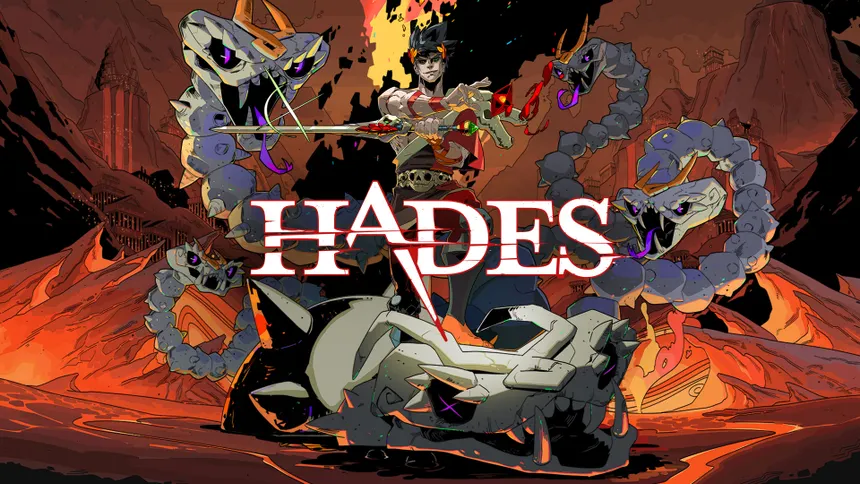
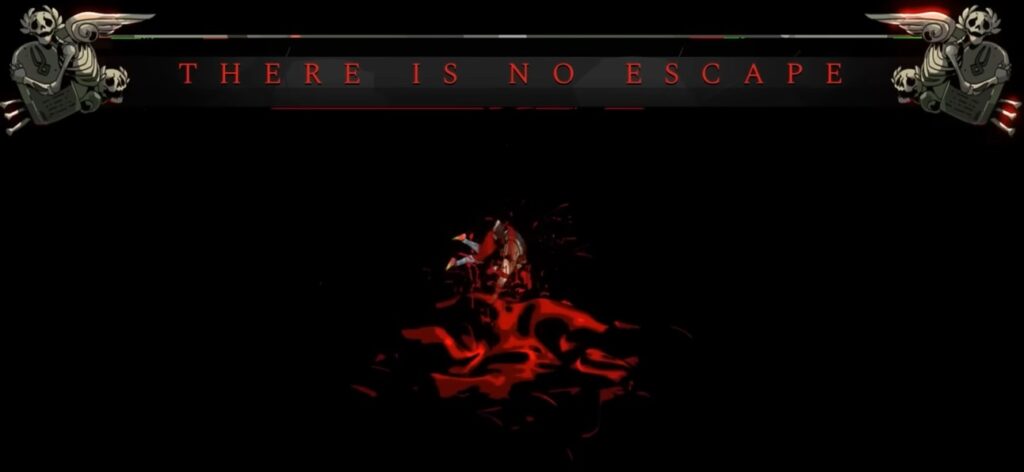
In many games, dying often feels like a harsh penalty, erasing progress and forcing players to start over. In Hades, however, death is reframed as a core part of the experience, turning each failed run into an opportunity for growth. Every time Zagreus, the determined and rebellious son of Hades, falls in battle, players are sent back to the House of Hades, but they do not return empty-handed. Instead, they come back armed with new knowledge about enemy patterns, stronger abilities, additional resources, and even fresh story content that continues to unfold with each attempt.
This unique progression system transforms failure into meaningful advancement. Players are encouraged to experiment with different weapons, godly boons, and strategies without the fear of permanent loss. The game subtly rewards curiosity and persistence, making every death a learning opportunity rather than a punishment.
Moreover, the cycle of dying and returning provides a narrative justification that deepens player engagement. Each retreat to the House of Hades allows for character interactions, dialogue updates, and small story revelations that keep the game feeling dynamic and alive. Rather than being discouraged by setbacks, players are motivated to re-enter the Underworld with a sense of purpose, armed with lessons learned from previous runs and a renewed determination to overcome the challenges ahead.
Ultimately, Hades turns what is traditionally a frustrating experience into one of the most satisfying aspects of gameplay. By making death a vehicle for progression, the game ensures that every attempt, whether successful or not, contributes to the player’s overall journey, making each run feel rewarding in its own right.
Character Relationships That Grow With Every Run
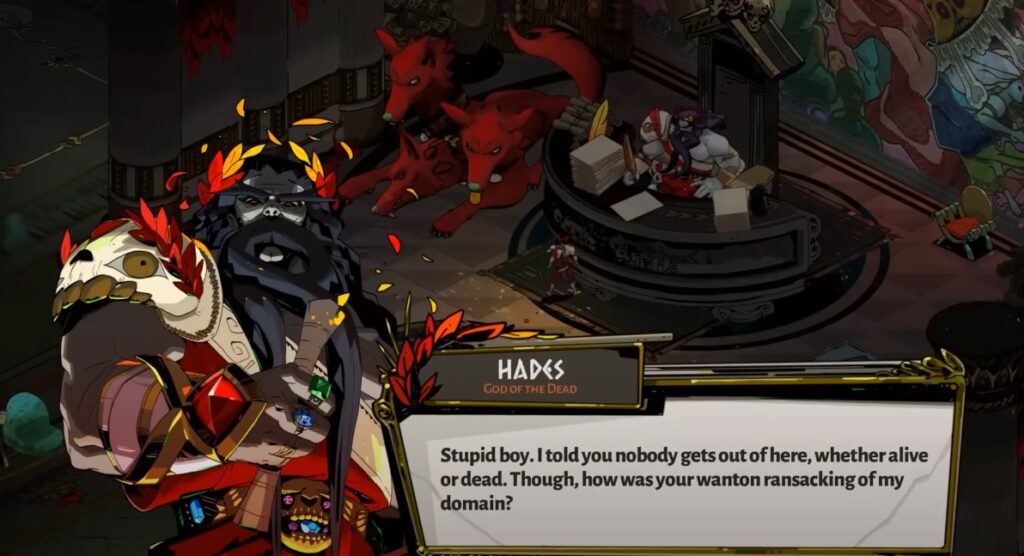
One of the most compelling aspects of Hades is its extraordinary cast of vibrant, memorable characters. Each time Zagreus returns to the House of Hades, players are greeted by gods, mentors, allies, and rivals who all have their own unique perspectives on his quest to escape the Underworld. Figures like Nyx, the embodiment of Night who guides Zagreus from the shadows, and Achilles, the stoic warrior who serves as both mentor and confidant, bring a sense of warmth and familiarity after each failed attempt. Their dialogue is never static, evolving in ways that reflect both Zagreus’ progress and the player’s persistence.
Outside the House, the Olympian gods add another layer of personality and narrative depth. Offering their divine boons, they encourage Zagreus while occasionally teasing or bickering with one another. Each god’s voice and attitude changes depending on the choices you make, creating the feeling of a living, reactive pantheon. This dynamic ensures that even during a failed run, new conversations or rivalries emerge, rewarding players with story moments just as engaging as the battles themselves.
Combat That Never Gets Old
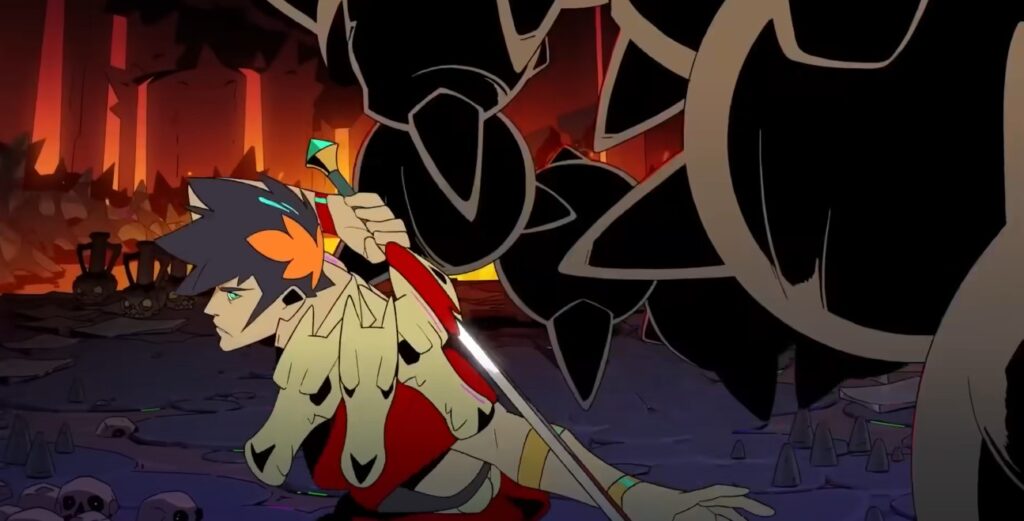
At its core, Hades thrives on its fluid, responsive combat. Players can choose from a variety of Infernal Arms, each offering a distinct playstyle. The addition of godly boons provides endless combinations, meaning no two runs ever feel the same. Mastering dashes, casts, and weapon upgrades becomes increasingly satisfying as you experiment with builds that suit your style. Even when death arrives and it often does the excitement of testing a new strategy keeps the gameplay loop fresh and rewarding. Take a look at this great guide below to get your skills ready and make you feel like an absolute beast at this game.
Source: Legacy Gaming
Storytelling Woven Into Failure
Unlike most rogue-likes, Hades uses failure to drive the narrative forward. Each defeat uncovers more of Zagreus’ backstory, his strained relationship with his father, and the truth about his origins. Instead of halting progress, every run expands the story. This innovative storytelling method keeps players hooked, blending narrative depth with the unpredictability of gameplay.
Why Dying in Hades Feels Rewarding
What sets Hades apart is its ability to reframe death not as an obstacle but as an integral part of the experience. Each setback is a chance to grow stronger, build relationships, and uncover more of the story. Combined with polished combat and stunning visuals, the game transforms frustration into motivation. In this way, Hades makes death feel not only rewarding but essential to its brilliance.
Your Ultimate Hades Guide
Hades redefines how we think about failure in gaming. By turning death into an essential part of the experience, it creates an addictive loop that is both satisfying and meaningful. This Hades guide ensures players understand combat strategies, story progression, and character interactions to fully appreciate the game. Whether you are a newcomer to the Underworld or a seasoned player, Hades rewards persistence, creativity, and curiosity in ways few games ever have.