Clair Obscur: Expedition 33 A Monolithic Promise
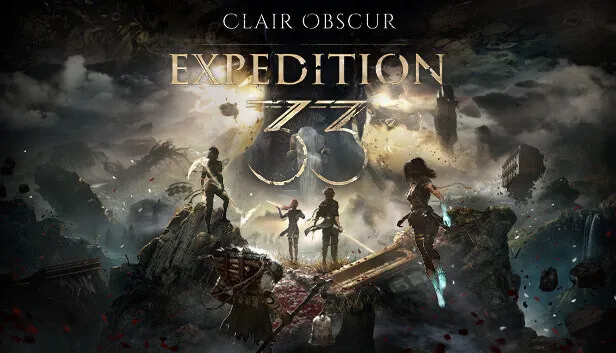
Once a year, the Paintress wakes and paints upon her monolith. She inscribes a cursed number. All of that age turn to smoke and fade away. Year by year, the countdown creeping lower erases more of us. Tomorrow she’ll paint “33.” Tomorrow we depart on our final mission Destroy the Paintress, so she can never paint death again. We are Expedition 33.
— Clair Obscur: Expedition 33
That haunting premise sets the tone for a bold, melancholic, and mechanically daring RPG. With its Belle Époque fantasy aesthetic, Clair Obscur: Expedition 33 marries sombre themes of mortality with visceral combat systems and it’s a ride worth dissecting.
First Impressions
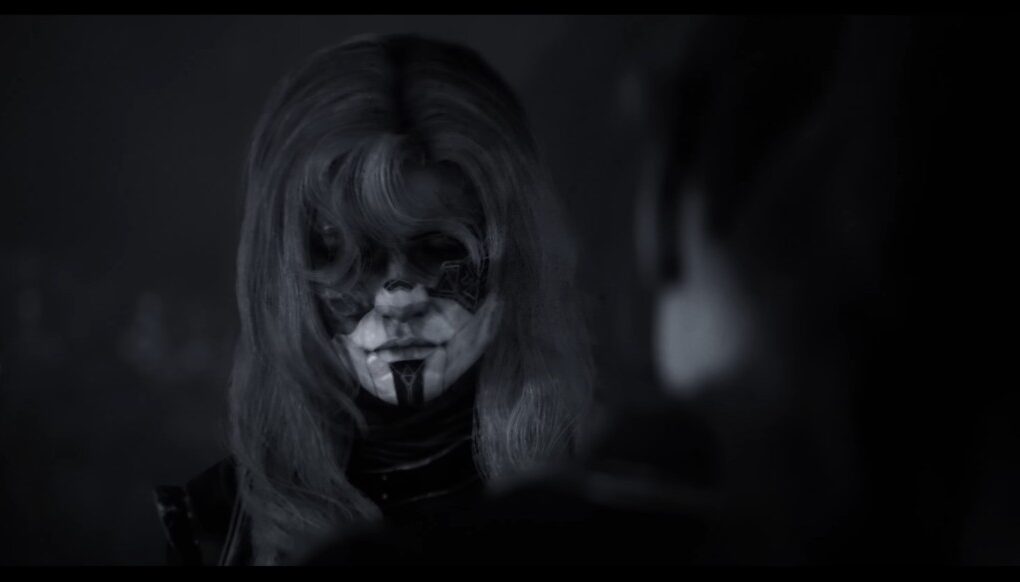
From the moment the world opens up beyond Lumière, you feel something distinct. The art direction is both elegant and unsettling, you see chandeliers in ruined halls, pastel light illuminating cracked stone, figures moving in smoky half light (This really made me feel uneasy). The soundtrack is lush, plaintive doubles down on that bittersweet weight.
Combat feels like the first real surprise, yes, it’s turn-based, but real time elements (dodging, parrying, quick time events, free aim) drip tension into otherwise familiar RPG loops. You’ll find yourself leaning forward in your chair during enemy turns, tracking cues, probing windows to counter.
Importantly, Clair Obscur doesn’t shy away from its emotional core. You’re playing with a mortality timer it’s baked into the narrative and the stakes. That sense of urgency seeps into exploration, character choices, and every conversation.
Mechanics & Systems Breakdown
Turn based and Real time equal Reactive Tension
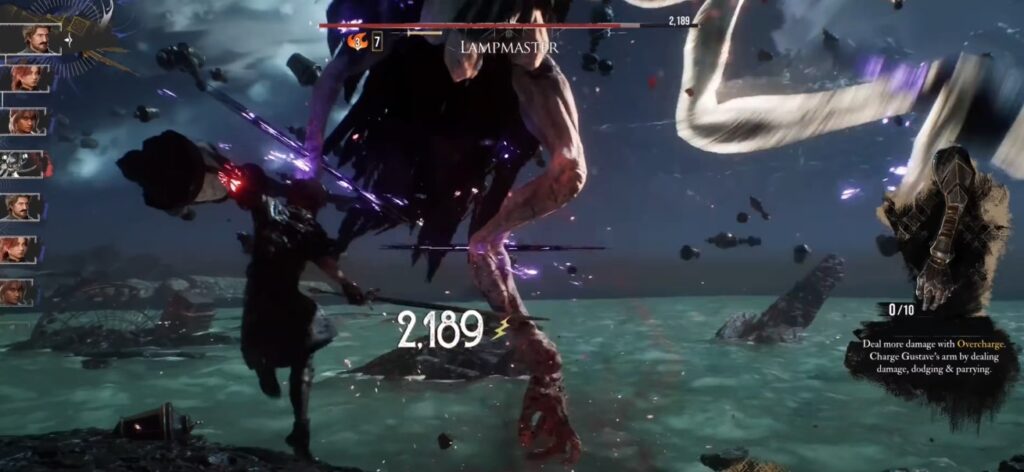
The heart of Clair Obscur is its “reactive turn-based combat.” You plan your attacks, skill uses, or item uses as usual, but when it’s the enemies turn you have real time moments to dodge, parry, or counter. Mess up the timing, and you may take a hit (or worse, not going to lie here this happened to me plenty of times). Nail it, and you deny damage entirely while setting up counterattacks. Who doesn’t like the sweet sound of a counter attack. Just me then…
Parrying is harder than dodging the tighter windows, more risk, more reward. Some community members praise its rhythmic payoff; others lament frustrating timing on “even the easiest enemies.”
One tip I can suggest is to Parry just a few frames before getting hit, though there’s no audible cue, it comes down to visual timing and muscle memory. Get this right and you are onto a winning tactic.
As you progress, you unlock more advanced notions like “stain” and “rip” mechanics that twist the familiar battle ladder further, this is where the true damage stats build up.
Exploration, World & Narrative Interplay
You explore in third-person, wandering through fragmentary realms of a fractured world. Different zones evoke different moods: decayed grandeur, overgrown ruins, spectral vistas. The game hides secrets, side quests, and past expedition traces that reward curiosity.
Narratively, Expedition 33 is built with layers. There’s the present journey, the backstories of prior expeditions, the mysteries of the Paintress, and the internal dynamics among your party. As the title suggests, 33 is not just a number—it’s destiny, doom, and defiance intertwined.
The dialogue can lean melodramatic, which occasionally trips over its own ambition, but at its best moments it sings. Some critiques note “pretentious dialogue” or opacity in plot threads.
Characters & Relationships
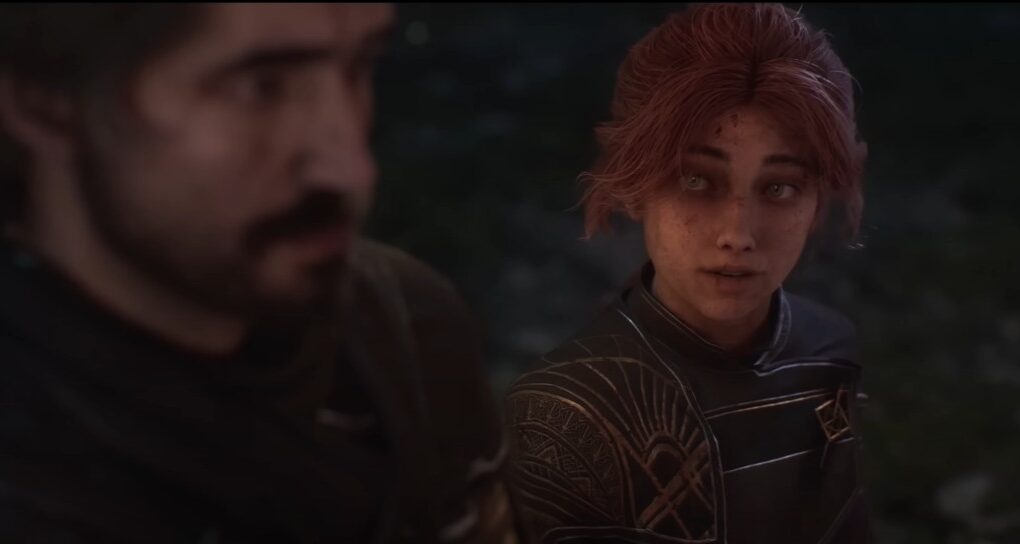
At its core, Expedition 33 lives or dies by its party. Among them:
Gustave a 32 year old engineer whose life is ticking down. His relationship to Lumière and his foster family tie tightly into the narrative.
Maelle orphaned young, unmoored, striving to find place and purpose. Her dynamic with Gustave and her own visions anchor many revelations.
Lune, Sciel, others they add thematic and mechanical depth. Some represent contrast (scholar, farmer archetypes) in how they approach mortality and purpose
The game stages each character differently across acts, letting each shine in their moments. Their arcs aren’t flawless, but they carry enough sincerity to make you care.
Is Clair Obscur: Expedition 33 Worth playing?
In short, yes, for gamers who crave RPGs that push boundaries this is a great new addition to the genre. If you love classic turn based systems but want some kinetic tension, Clair Obscur is a rare hybrid done with conviction. I am not saying it’s perfect, and its ambition leads to occasional missteps, but those missteps feel like scratches on silver, they don’t ruin the shine entirely.
This is one of those titles you replay to explore branches, master fights, and unspool every narrative thread. I’ve seen some fans online who have gone deep. There’s even a story of a player beating the game 33 times in seven and a half hours on the final run. Now that is dedication in my books.
In terms of gameplay, if the timing mechanics usually get under your skin instead of exciting you, then this game might feel more punishing than fun. But if you can lean into its rhythm, the combat can be incredibly satisfying.
Go in with an open mind, because the story likes to throw curveballs. Just don’t expect everything to wrap up neatly until you’ve seen the later acts. What really makes this game special to me is the constant tension of knowing that every member of the expedition is living on borrowed time. That pressure shapes the world, the characters, and the way you experience every battle.
The best part? The developers are really paying attention. With updates and patches already rolling out, it’s clear they’re committed to refining the journey and making sure players feel heard. You can read more updates and news about the game on the Clair Obscur page.
Head over to the Roleplaying Games Hub for amazing RPG adventures