Why I Ragequit Sekiro…Then Came Crawling Back
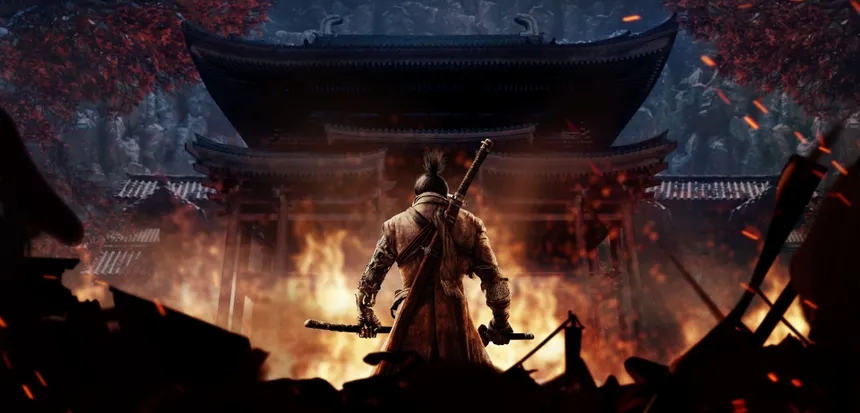
Sekiro: Shadows Die Twice doesn’t care how good you are at games. It doesn’t care how much you loved Dark Souls. It doesn’t care if you’ve watched every parry tutorial on YouTube. What I think it cares about is how I can make someone who thinks they are good at this genre of games feel like they just picked up a controller or mouse for the first time. Sekiro is a ruthless sensei and your ego is its favourite student.
I rage quit. Not once. Not because it was hard because it made me feel small. Then, weeks later, I returned. Not to win. But to understand. Welcome back to Gamer Melts, where even your soul has a posture bar.
What Just Happened?
The first few hours feel manageable stealth kills, satisfying sword clinks, a bit of shinobi swagger. Hey, I can swing from branchesthis is going well… right?
Then Genichiro shows up. Or Lady Butterfly. Or that flaming bull.
And just like that, your gaming confidence is reduced to compost.
Sekiro doesn’t just beat you. It studies your patterns, exposes your panic, and then punishes your hesitation with elegance. I ragequit. Not out of stupidity, but out of principle. I closed the game, walked away, told myself I was done with this Sekiro game nonsense.
Then obsession crawled back in. I reinstalled. I read a guide or two (don’t tell anyone), watched a slow-motion parry gif, and came back because I had to know what the fuss over Sekiro: Shadows Die Twice really meant.
Melt Factor Highlights
Timing Is a Religion
Forget dodging. Forget shields. In Sekiro, if you don’t feel the timing in your bones, you’re dead. The game doesn’t let you button-mash your way to glory. It demands rhythm, presence, and humility. If you do not watch out for those little moments where the enemy or boss winds up before a hit, then you are not going to get far.
You’re not fighting enemies. You’re fighting yourself the self that flinches.
The Discipline of Defence
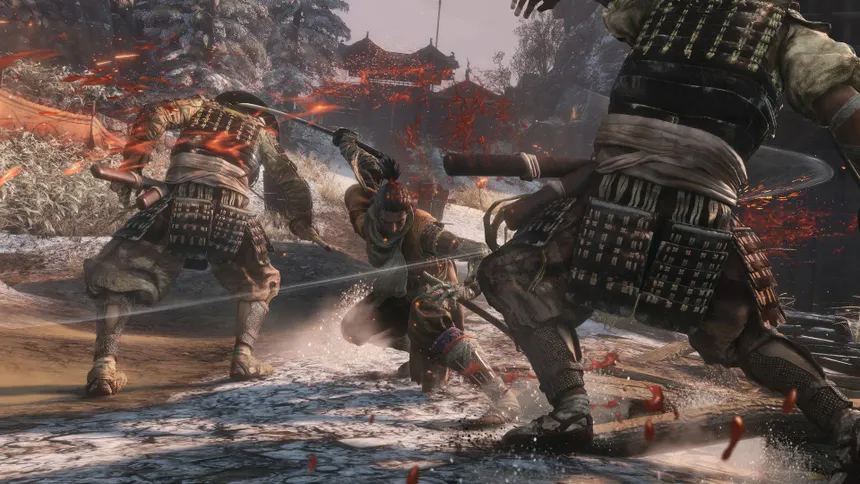
In Sekiro, blocking isn’t a safety net it’s a statement. You meet the attack head-on, katana clashing in rhythm with your opponent’s assault. Each deflection chips away at their posture, bringing you one step closer to a clean, cinematic deathblow.
But posture works both ways. Panic, and your stance crumbles. Flinch, and you leave yourself wide open.
Blocking becomes a test of nerve. It’s not about holding a button it’s about believing you’ll survive the next strike. And when you finally learn to stay calm in the chaos, to parry in perfect tempo, the game stops being impossible. It becomes beautiful.
Ragequitting Feels Spiritual
This isn’t normal gamer rage. The boss fights are the main reason for this. The first ‘real’ boss, Gyoubu Masataka Oniwa, was a nice reality check. I was feeling good eavesdropping on enemies, pulling off assassinations from the sky landing behind the enemy and going in for the kill. (Nothing to do with my love for the Assassin’s Creed franchise, but we can talk about that another time).
Gyoubu Masataka Oniwa he’s the gatekeeper of Ashina, a horse-riding warlord who introduces you to Sekiro’s scale. His entrance alone is unforgettable, shouting his own name before charging you like a medieval tank and then relentlessly smashing you into the ground with his spear, but wait, that’s not all. What if I go behind him and attack the horse? I hear you say. Well, how does a kick to the face sound…exactly.
After every loss, you sit at the Sculptor’s Idol and question your identity. Then uninstall the game. Then reinstall it while it’s still downloading.
Because deep down, you know it’s not the game it’s you.
Bosses That Break You, Then Rebuild You
Every boss is a lesson. You don’t just learn them—you are forged by them. There’s no grinding your way out. No cheesing the system. Only skill, death, rebirth, and the moment you finally deflect that fatal strike.
You will scream. Then cry. Then rise from the ashes like a parrying phoenix.
Beating a boss after 49 deaths doesn’t feel like triumph. It feels like awakening. Like you became one with the blade. No health bars, no panic—just flow.
The game didn’t get easier. You got stronger.
While you are here why not have a read of the 5 gaming bosses that made me melt down. A real respect for game developers out there who create these monstrosities, but I love them all.
Where Sekiro Fits: For Fans and Newcomers
If you loved Bloodborne or Dark Souls, make no mistake: Sekiro: Shadows Die Twice is a different beast. It strips away some RPG trimmings (less stat-fiddling, fewer weapons builds) and focuses on precision movement, posture, and timing. If you want role-playing depth, this might frustrate you. If you want a combat system that rewards perfect timing and punishes hesitation, it’s sublime.
If you’re the type wondering “what are games like Sekiro?” — think of titles that prioritize rhythmic, skill-based combat and high challenge. Games like Ghost of Tsushima (in its duels and parry focus), Nioh (for rigid, technical fights), and certain Soulsborne encounters will scratch that itch — but Sekiro remains unique with its shinobi tools and resurrection mechanic.
Also, shoutout for folks searching for Sekiro game of the year edition if you’re buying, double-check which platform and edition you want. Some releases bundle DLC-like extras or updates; others are just repackaging the core Sekiro game. The core experience, though, is the same: hard, rewarding, rite-of-passage combat.